

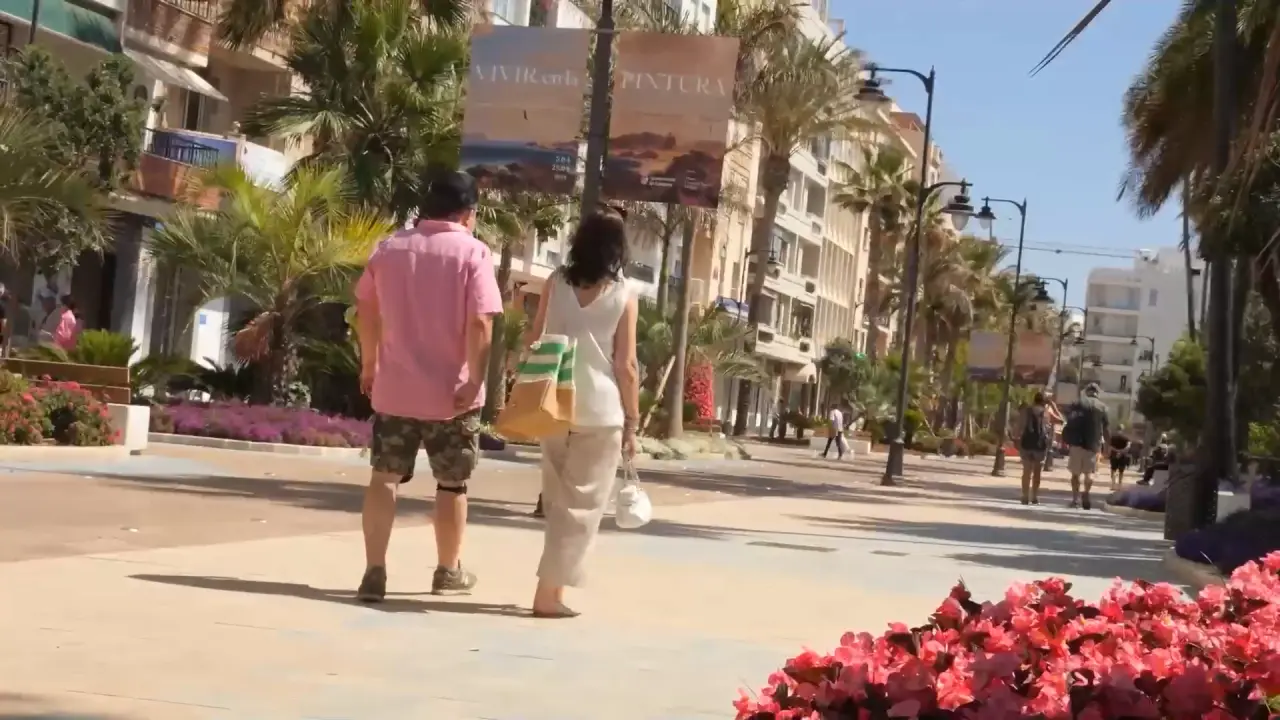
Walking route · Historic centre
Route of the Murals.
An open-air museum you walk with your eyes up. The painted city reveals itself as you go.
74 murals · gallery
Drag to explore
Swipe

Estepona Bermeja
Ana Cecilia Salinas
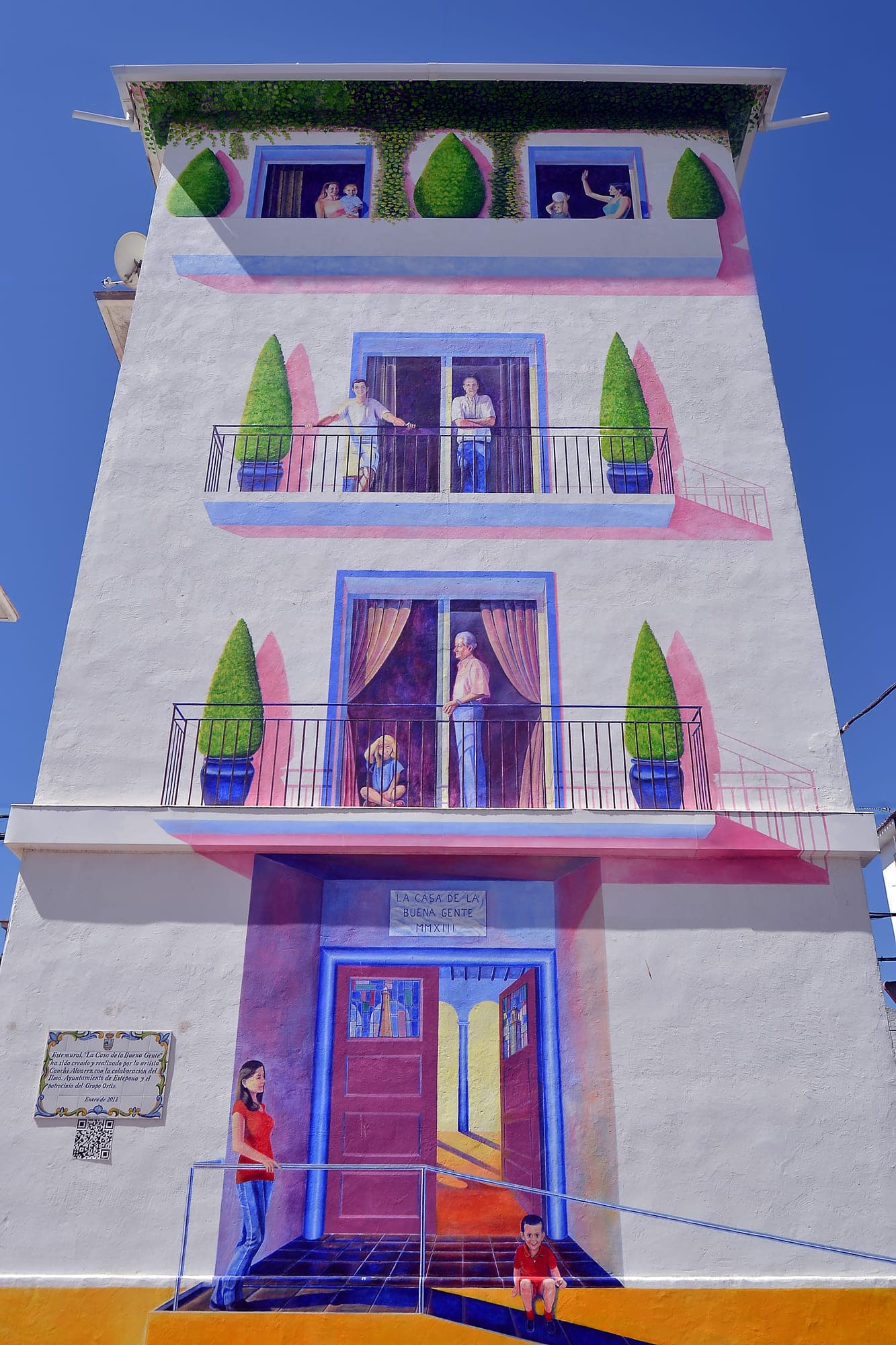
La Casa de la Buena Gente
Cristian Alvaraz

Almas del Mar
Blanca Larrauri

Madre Amorosa
Fco. Alarcón
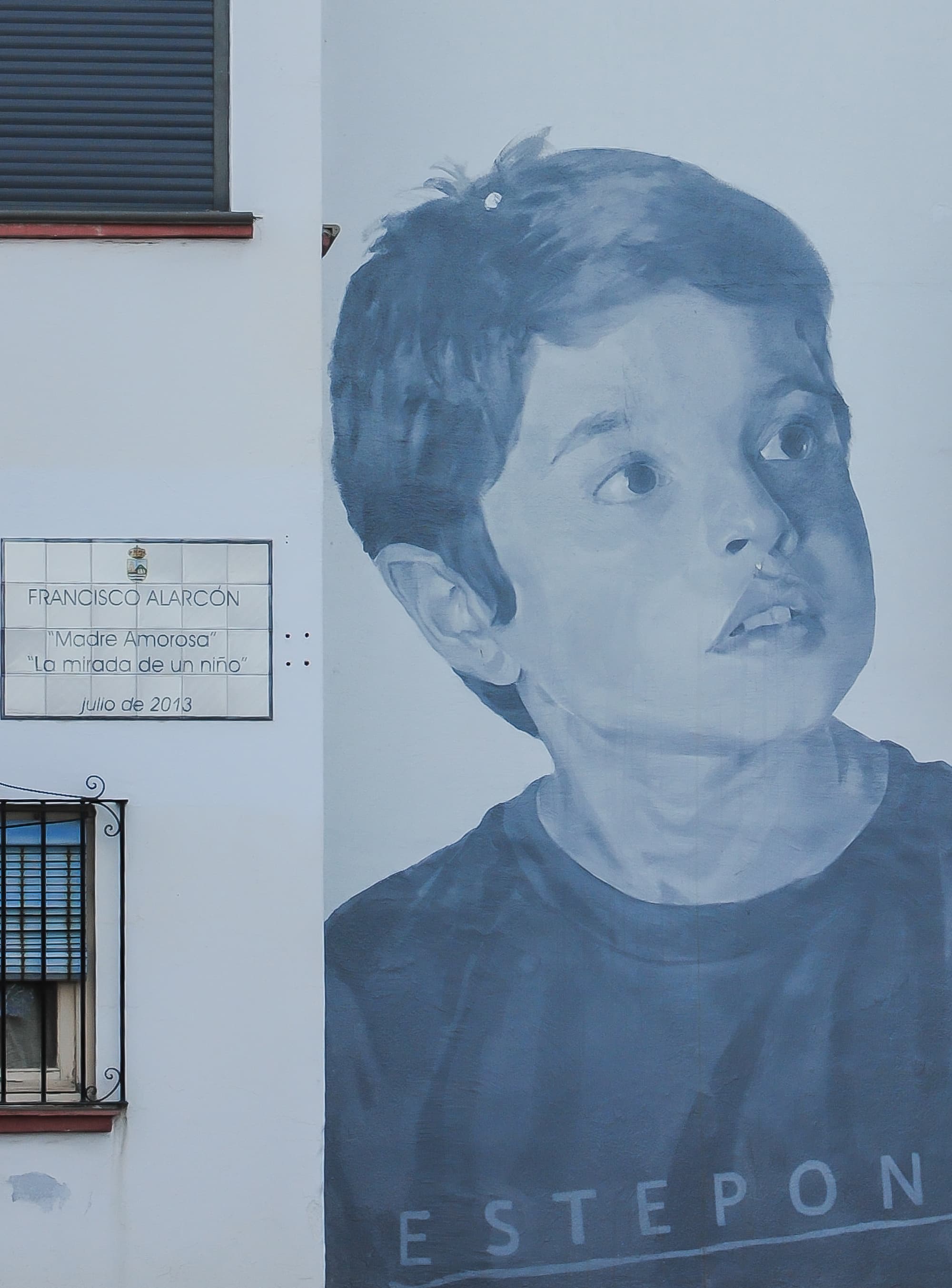
La Mirada de un Niño
Fco. Alarcón

Pasen y Vean
Elena Aguilera
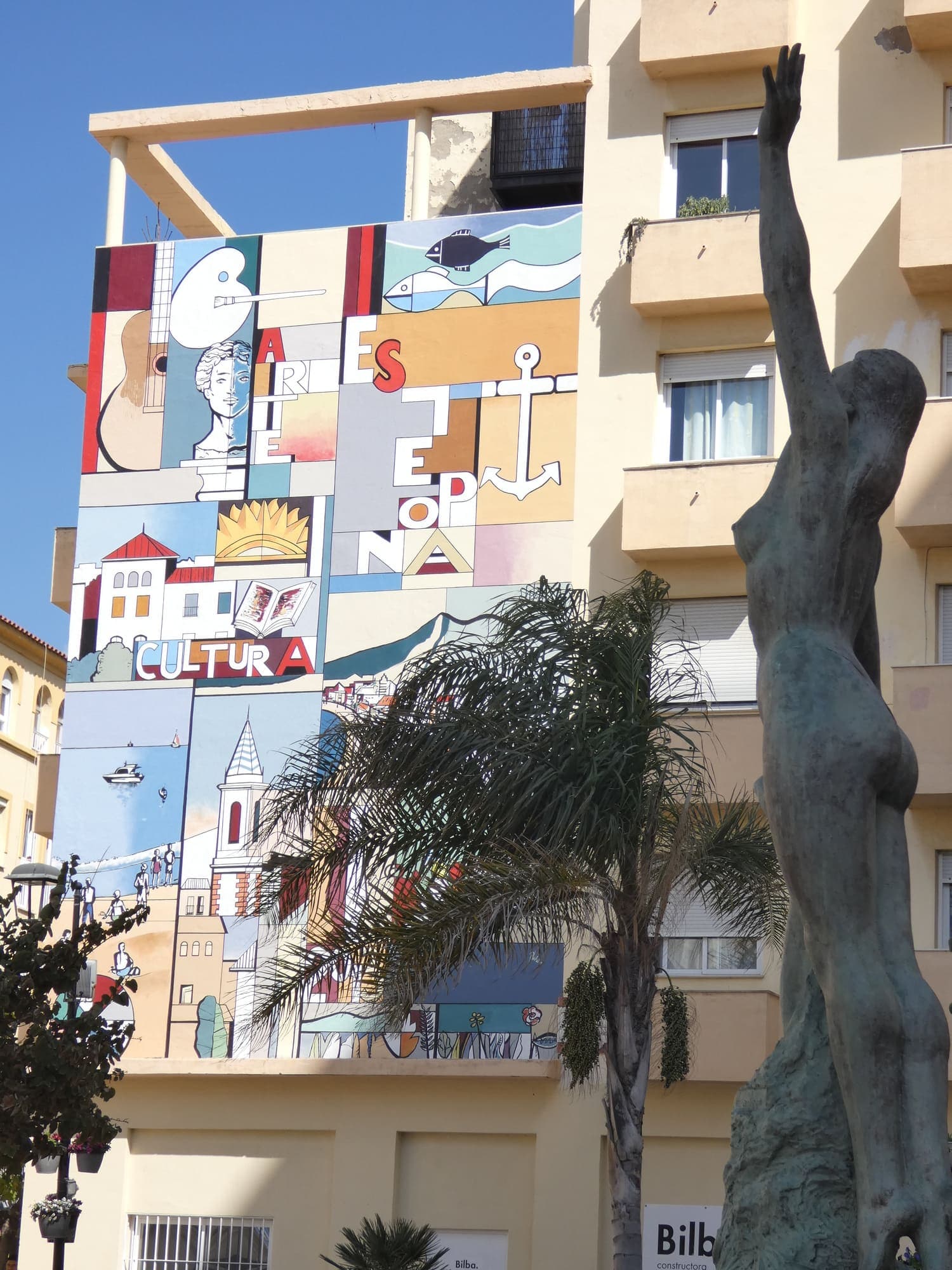
Siglo XXI
Néstor Prada
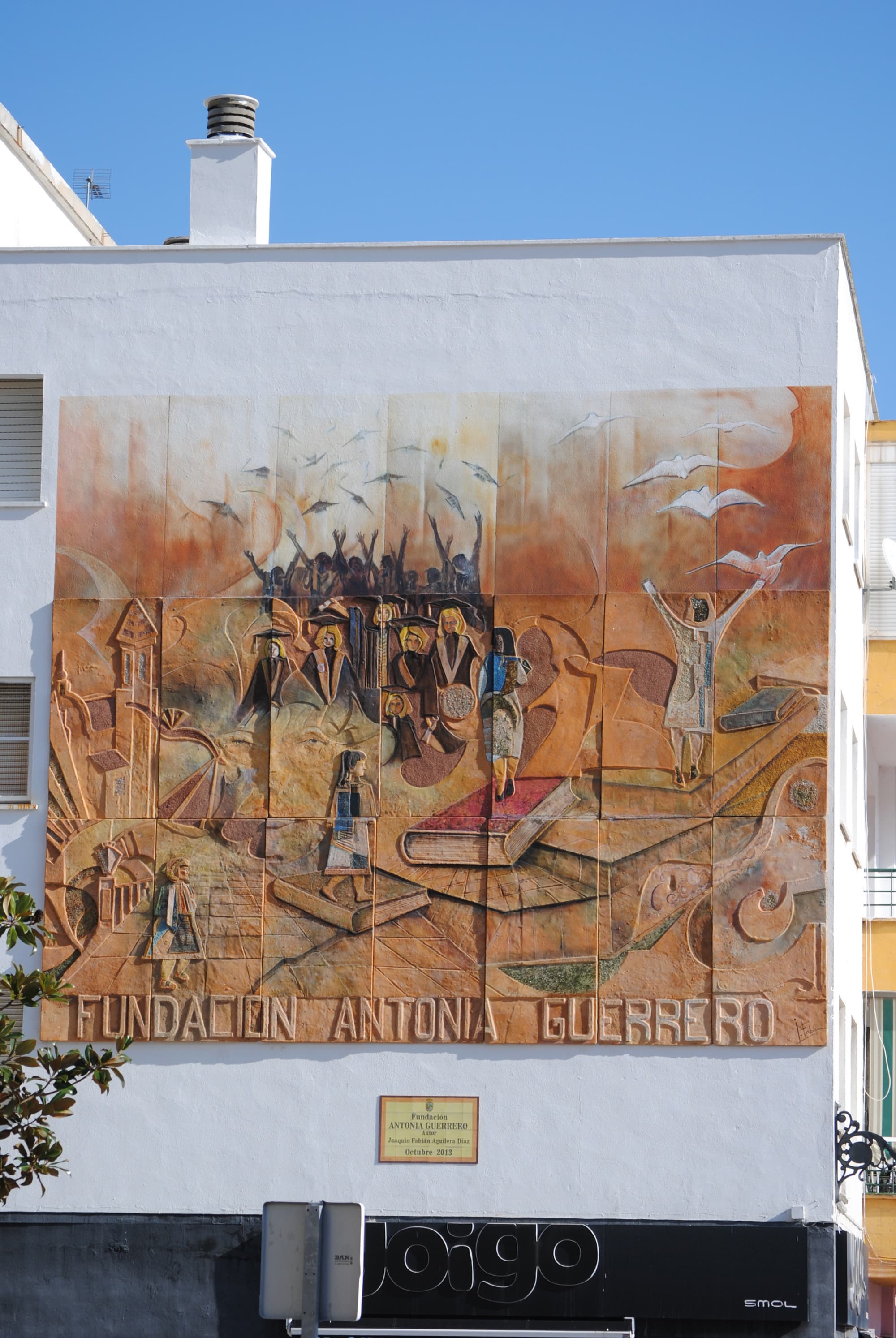
Fundación Antonia Ferrero
Joaquín Aguilera

Una Flor de Futuro
José Fernández Ríos

Día de Pesca
José Fernández Ríos
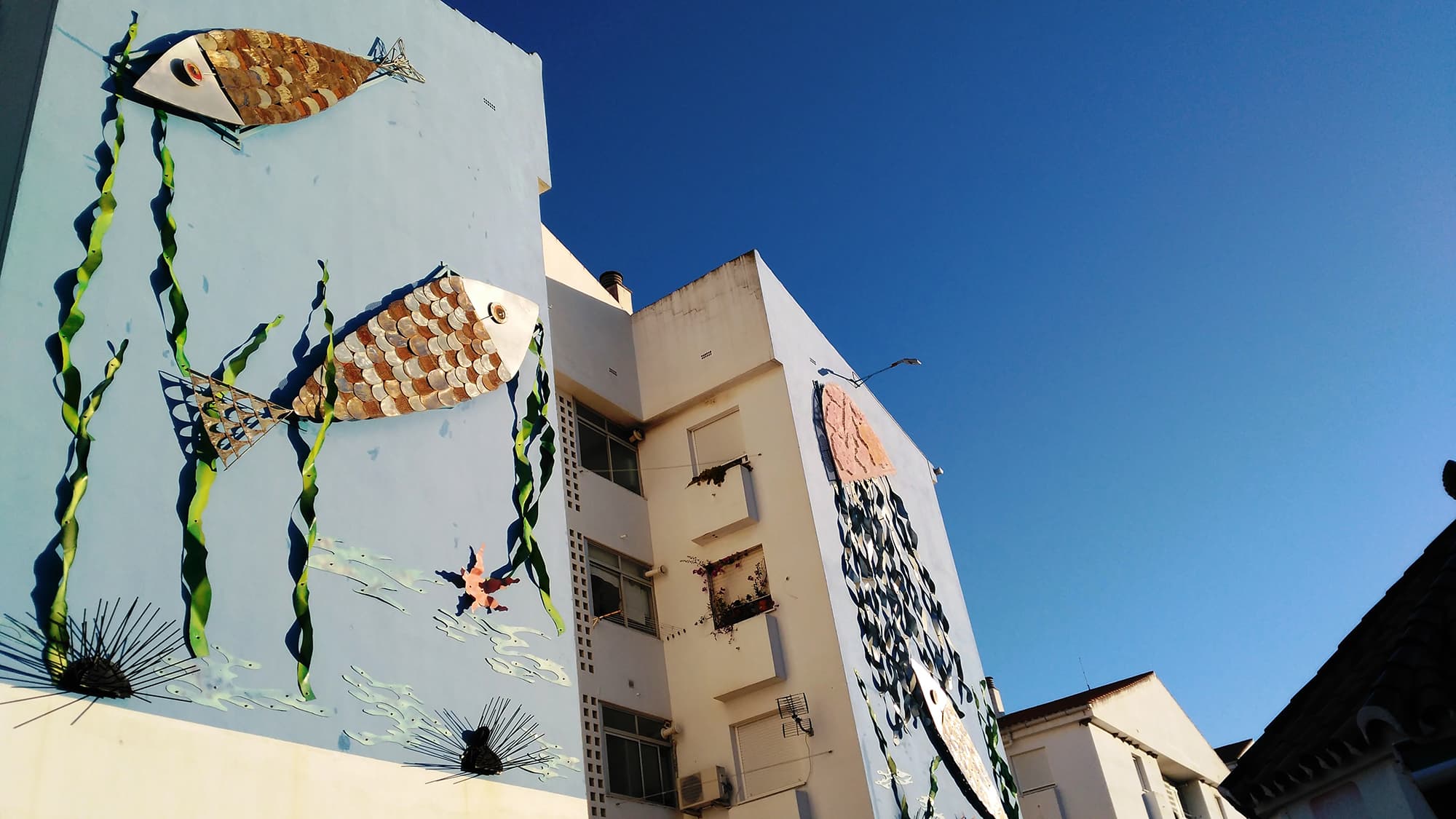
Azul y Plata
Colectivo Moraga
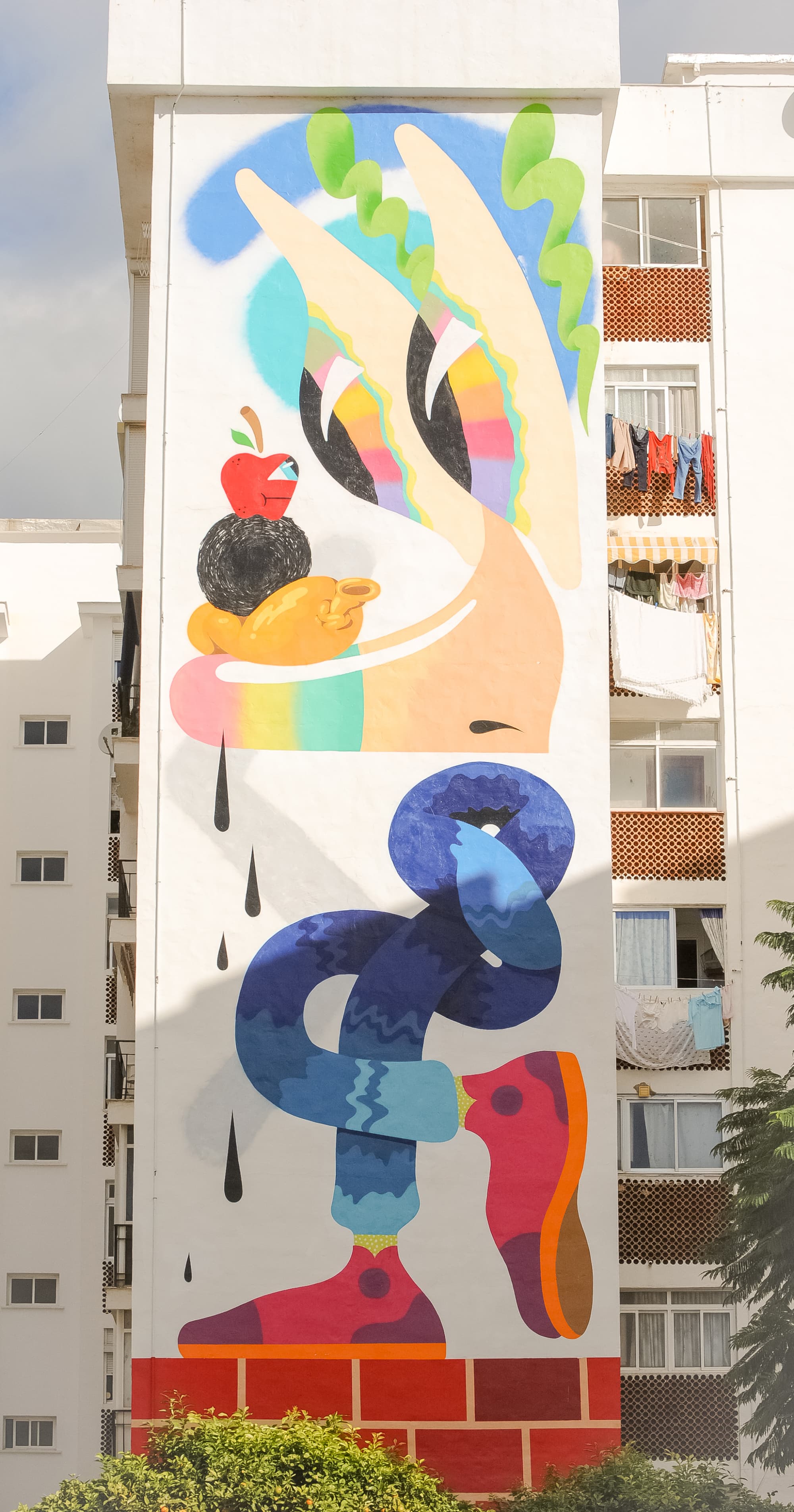
Keep on Tracking
Nano4814
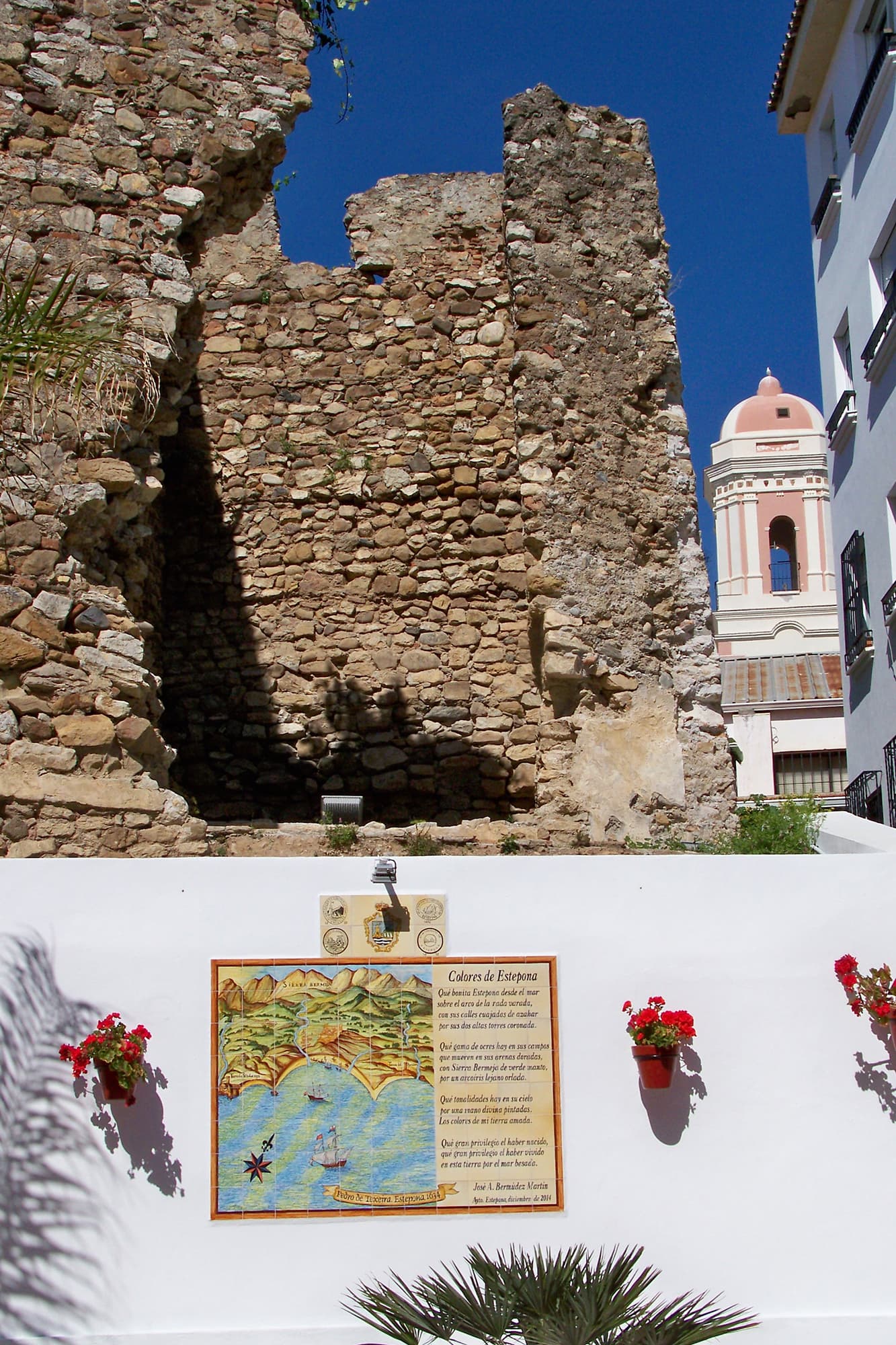
Ángel el Buceador
Eric Aman
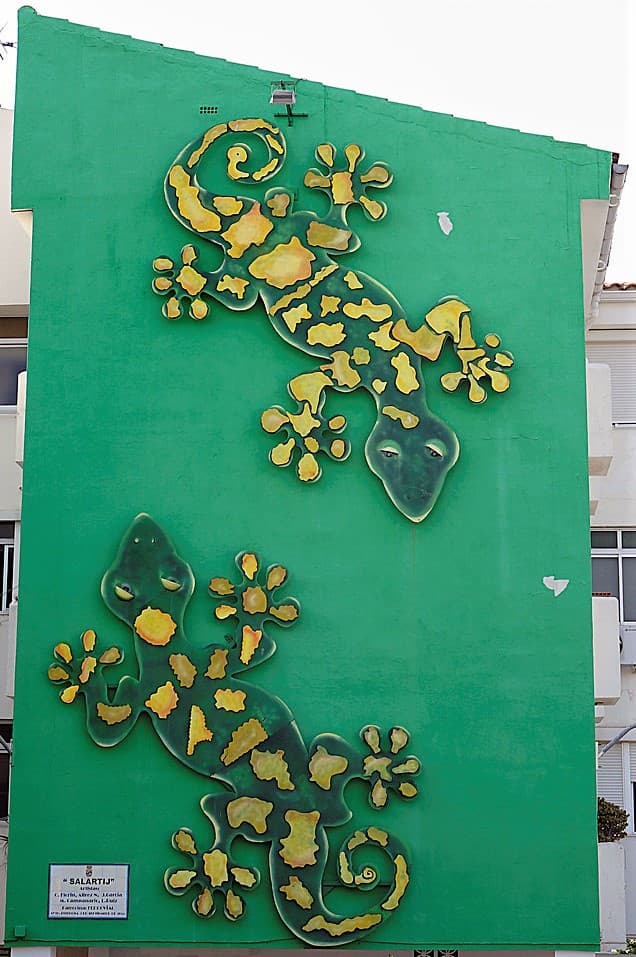
Salartij
Colectivo Moraga
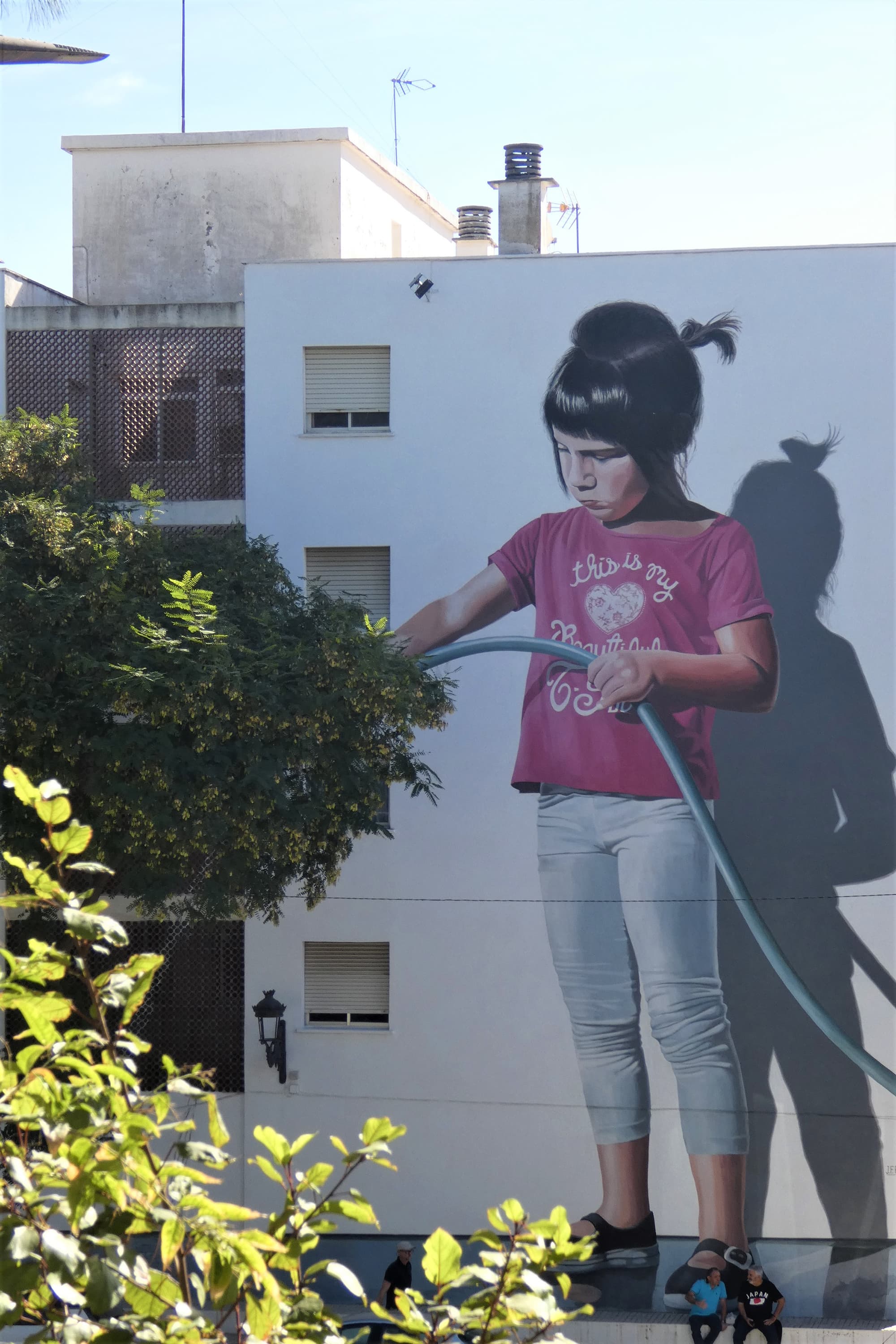
Regando el Jardín
José Fernández Ríos
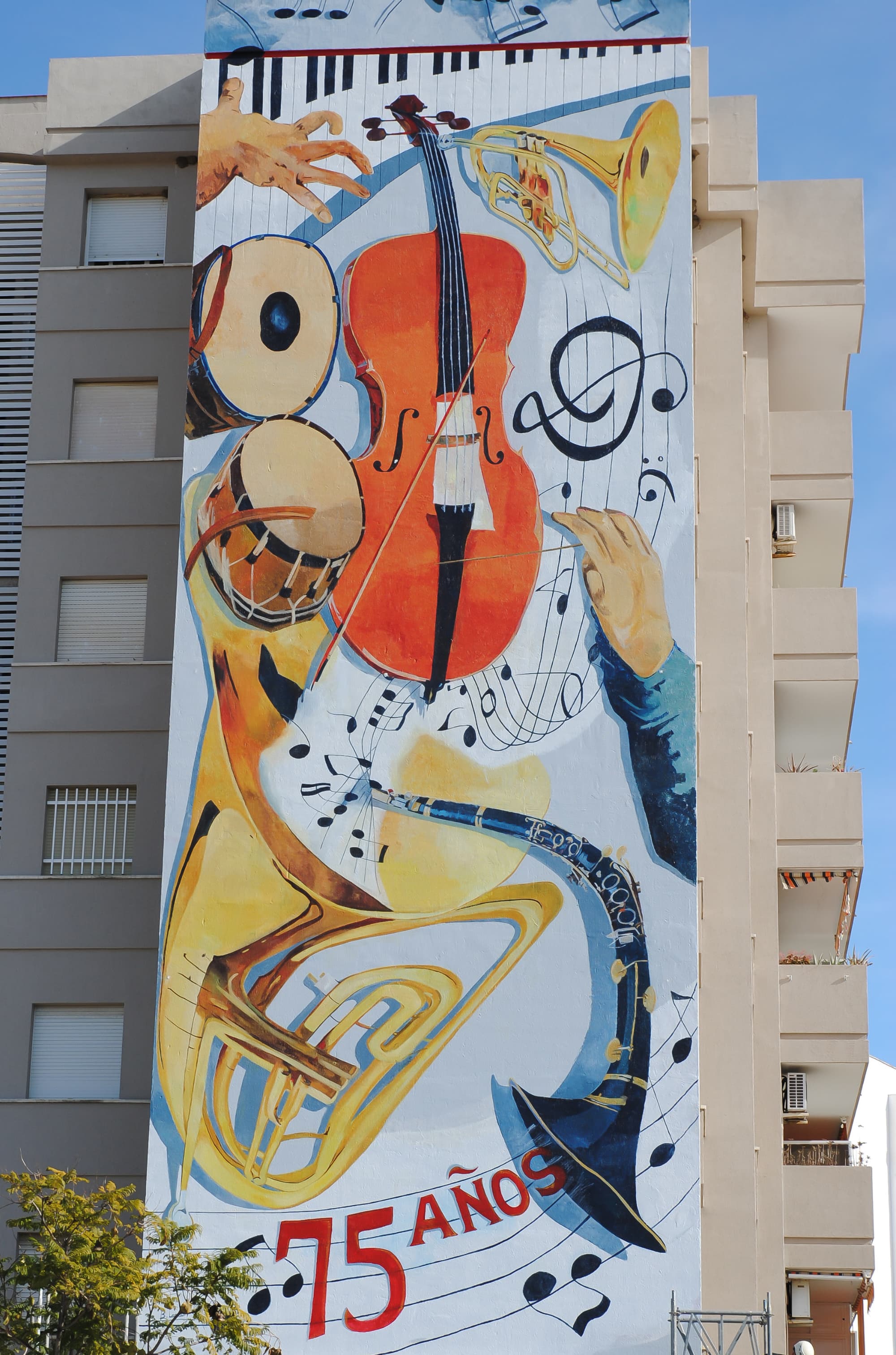
Aires de Música
Blanca Larrauri
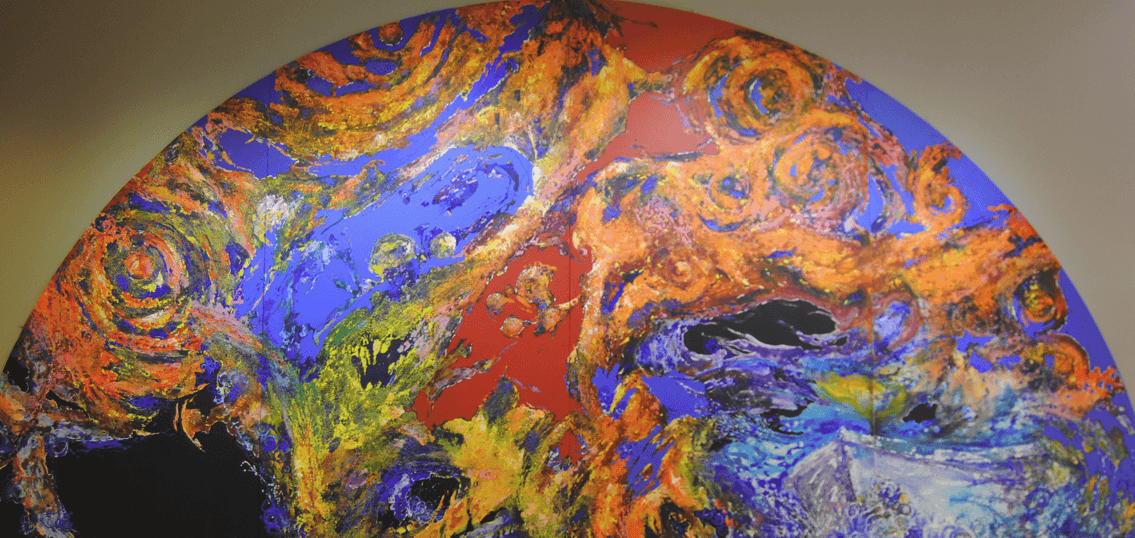
Sin Título
Juan José San Pedro
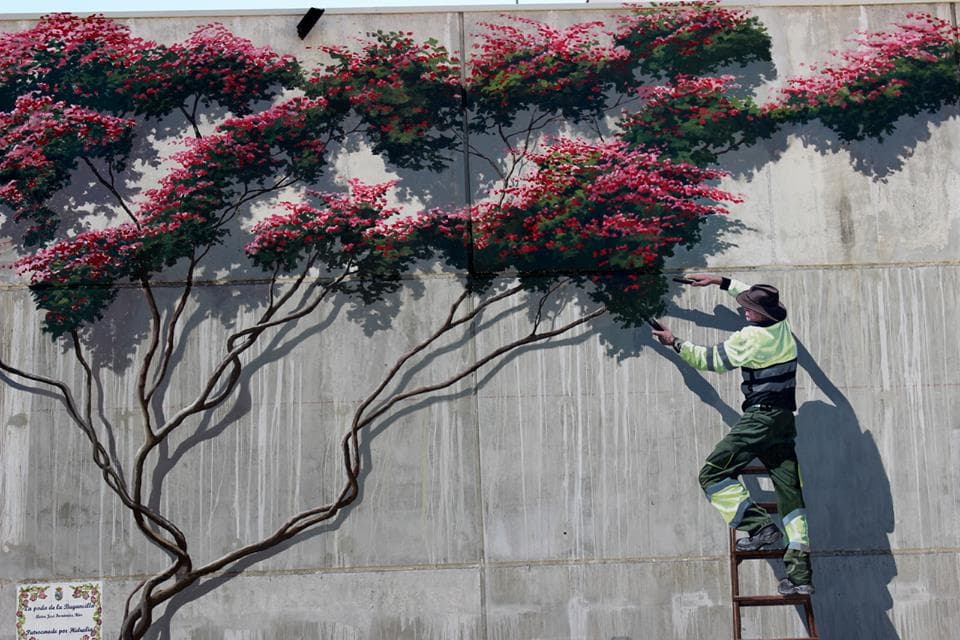
La Poda de la Buganvilla
José Fernández Ríos
You choose how to explore the Route of the Murals.
Full gallery, geolocated map and personal route builder — in one explorer designed for the painted city of Estepona.
Full gallery
All 74 murals with image, artist and exact address.
Live map
Every mural pinned on Google Maps. Open the app and go.
Build your route
Select and order the murals you want to see. Take it on your phone.
You turn a corner in the old town and there it is. You weren't looking for it. A figure spanning several storeys across the wall, signed by an artist who has shown work in cities around the world. Estepona has that capacity to surprise: the art you weren't looking for appears while you are on your way somewhere else.
What you see on the facades of the municipality today is the result of an arts programme that has brought nationally and internationally recognised artists to work on blind walls in residential buildings, neighbourhood walls and streets in the historic centre. Urban art here is not in a reserved space — it is woven into the fabric where people live. And it has layers: there is a 19th-century anonymous mural in Plaza de las Flores that has been here long before any contemporary art programme arrived.
Six moments along the route
The Route of the Murals, narrated
Plaza de las Flores — where it all starts
Before the contemporary art programme, there was already a mural in the old town. On the facade of the former town hall, in Plaza de las Flores, a 19th-century anonymous mural was discovered during renovation works and restored by Heritage. It is the natural starting point of the route and the one that carries the most history.
Look for the restored facade of the former town hall. The oldest mural in the old town has been here since before any art competition existed.
Facades that change the scale of the street
The large-format murals occupy party walls spanning several floors. They completely change the perception of the street: what was a blank wall becomes something that demands to be seen. You need to step back to see them whole. Estepona has that particularity: sometimes the best vantage point is on the other side of the street.
Step back from the facade until it fits entirely in your field of vision. Some murals only make sense from a distance.
Niño y Gorrión — Calle Cardenal Herrera Oria
A work by Borja Fernández, known as Mural 13, winner of the 3rd International Murals Competition in Estepona. The title says it all: a human figure, a bird, a scale that does not match the building behind it. The tension between the delicate gesture and the scale of the format is what makes it work.
This mural has a name and a verified author. It is one of the few for which we know the exact competition it came from.
The neighbourhoods that also tell the city
The murals are not limited to the historic centre. They are spread across different neighbourhoods and areas of the municipality. The old town has the highest concentration, but the painted city goes beyond the white streets. Sometimes the most interesting ones are in the least expected places — on a residential block, on a passage between streets, on a facade that nobody has signposted.
When you leave the old town towards the seafront promenade or the port, keep your eyes up. The painted city reaches further than you expect.
Art and everyday life — inhabited facades
The most interesting thing about Estepona's murals is that they coexist with neighbourhood life. A painted facade can have laundry on the balcony above, flower pots in the window and a neighbour coming out the front door below. That is not contradiction — it is integration. Urban art here is not in a reserved space.
Observe what surrounds the mural: the balconies, the doors, what is happening around it. The city speaks in layers.
The end by the urban garden
The murals and the flower pots are the same decision seen from different angles: the city as a place of collective aesthetic care. The urban garden route begins where this one ends, or the other way around. They are the same Estepona. The slow walk and the raised gaze are the method for both.
If you have more time, continue towards the old town with the flower pots. Or start there and end here. There is no required order.
Explore the murals on the interactive map.
Filter by neighbourhood, see each mural's location and build your own route.
Open the mapBest time to visit
Early morning or late afternoon. The low-angle light creates shadows across the facades and the colours have more depth. In summer at midday, the streets empty — that moment has its own character too.
Good to know
Bring a camera — the large-format murals lose scale on a small screen. No timed entry or tickets: the route is free and permanent. The historic centre is pedestrianised. The arts programme has had multiple editions with artists from different countries — this is not catalogue decoration.
Plan your visit
Not sure where to start?
Want to combine the murals with a beach, lunch and something else nearby? Tell us your plan and we'll put it together.