

Costa del Sol · Spain
Holidays in Estepona, Spain
A practical guide to Estepona on the Costa del Sol: beaches, old town, restaurants, local atmosphere and things to do.
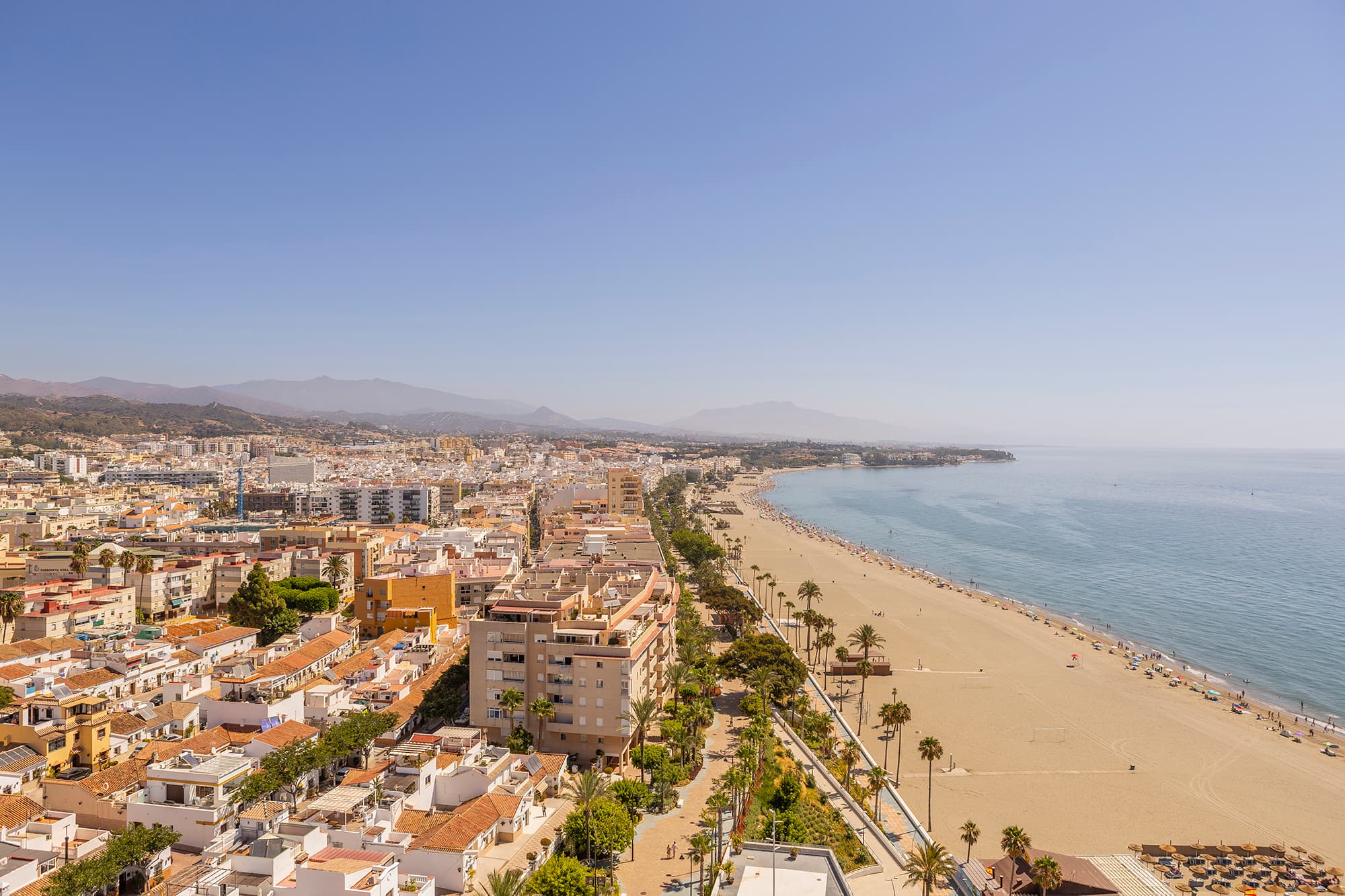
Estepona is a relaxed town on the western Costa del Sol, known for its seafront, flower-filled old town, beaches, restaurants and easy-going Mediterranean pace.
Quick answer
Is Estepona good for holidays?
Yes — Estepona is a solid choice if you want a Costa del Sol holiday with beaches, a walkable old town, restaurants, genuine local life and a calmer atmosphere than the busiest resort areas on the coast.
It is not the most glamorous option on the Costa del Sol, but it is one of the most liveable ones. Good for a beach break, good for walking, good for eating, good for slowing down.
Beaches and seafront
Walkable old town
Restaurants and tapas
Good for couples
Good for families
Easy Costa del Sol base
Why Estepona
Why choose Estepona for your holiday?
Beaches and seafront
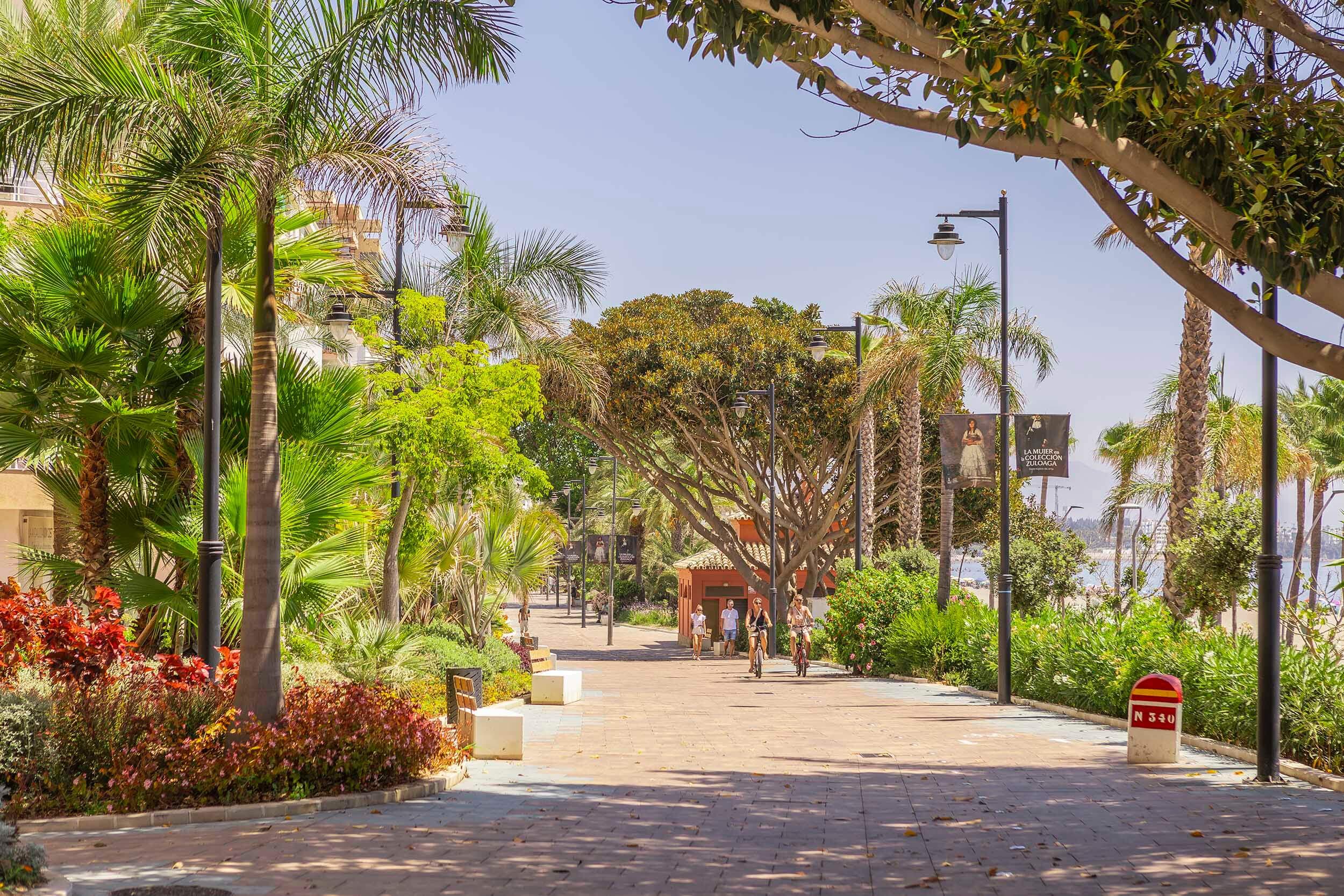
A long stretch of beaches and a seafront promenade that is easy to walk at any time of year.
A walkable old town
Whitewashed streets, flower pots, small squares and historic corners — all on foot, no entry fee.
Good food and restaurants
Tapas, fresh seafood, local bars and a food market. A decent range without the tourist-trap prices.
A calm Costa del Sol base
Quieter than Marbella, more local in atmosphere, still well connected along the coast.
Street art and murals
Over 74 large-format murals integrated into the town's streets. A walking route connects the main ones.
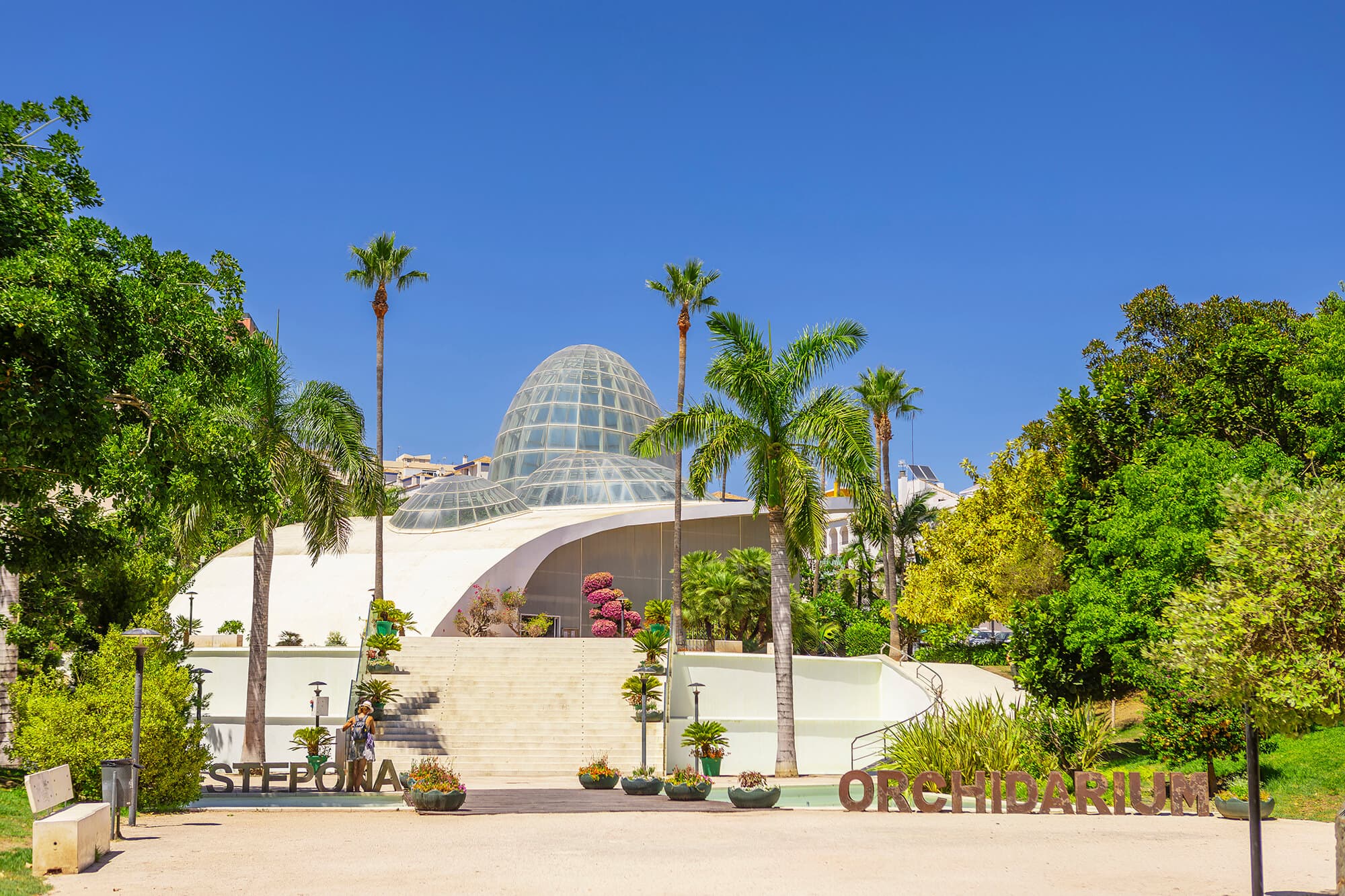
Gardens and the Orchidarium
A botanical garden with over 1,500 orchid species — one of the most visited free attractions in the area.
Things to do
Best things to do in Estepona
From walking the old town to exploring the seafront, visiting the Orchidarium or following the mural route — there is more to do in Estepona than most visitors expect.
Old town
Estepona old town
Estepona's old town is one of the easiest parts of the city to enjoy on foot. Whitewashed streets, flower pots covering façades, small squares and historic corners — it can all be explored in an hour or two without a guide, a map or an entrance ticket.
The Plaza de las Flores is the most photographed spot — and for good reason. But the streets around it are equally worth exploring: quieter, full of colour and largely free of souvenir shops.
Plaza de las Flores — the town's most famous square
Torre del Reloj — four centuries of history in one tower
Iglesia de los Remedios — baroque façade and local atmosphere
Whitewashed streets with flower pots and buganvillas
Castillo de San Luis — 16th-century remains, open to walk through


Beaches and seafront
Beaches in Estepona
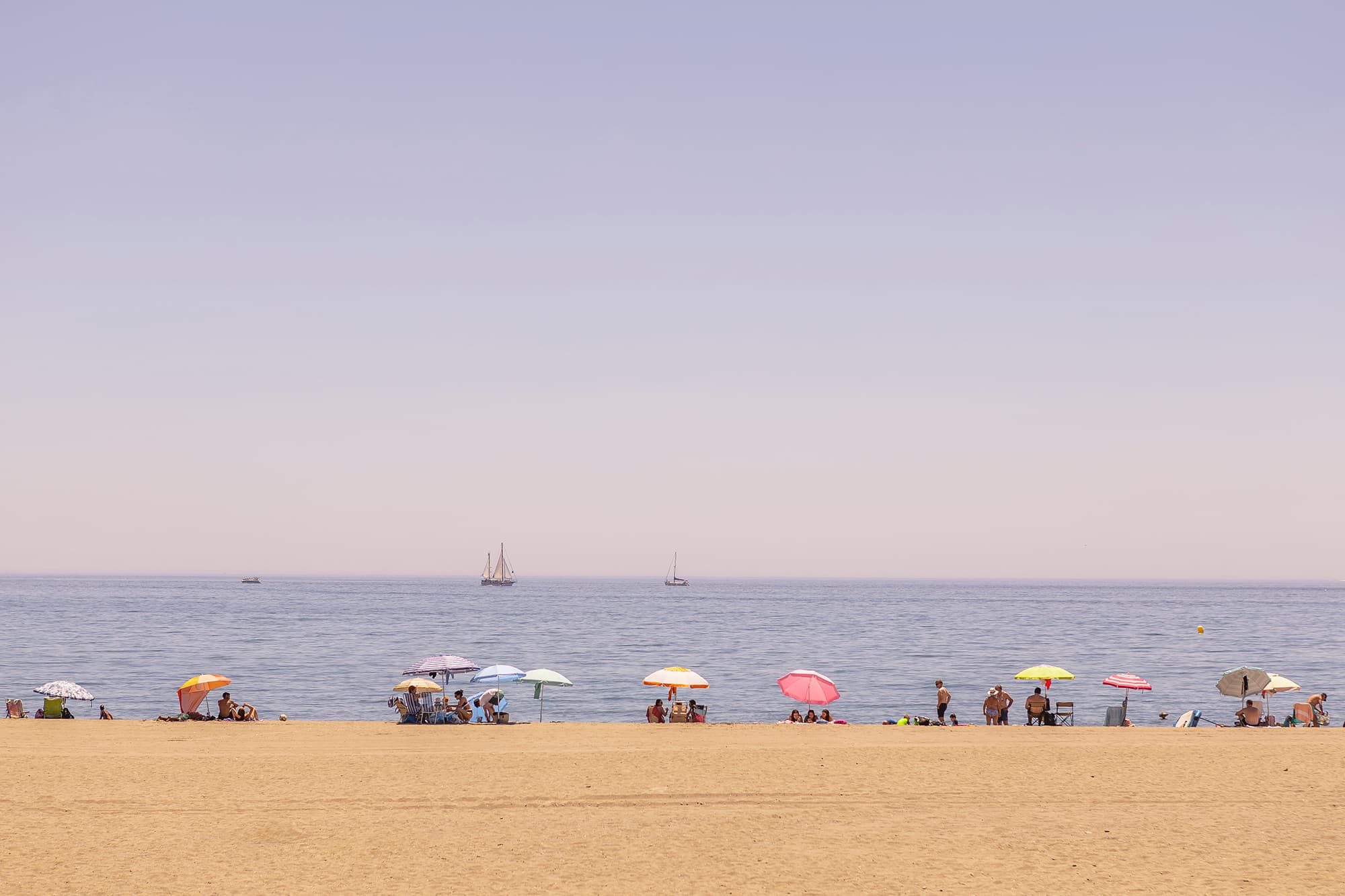
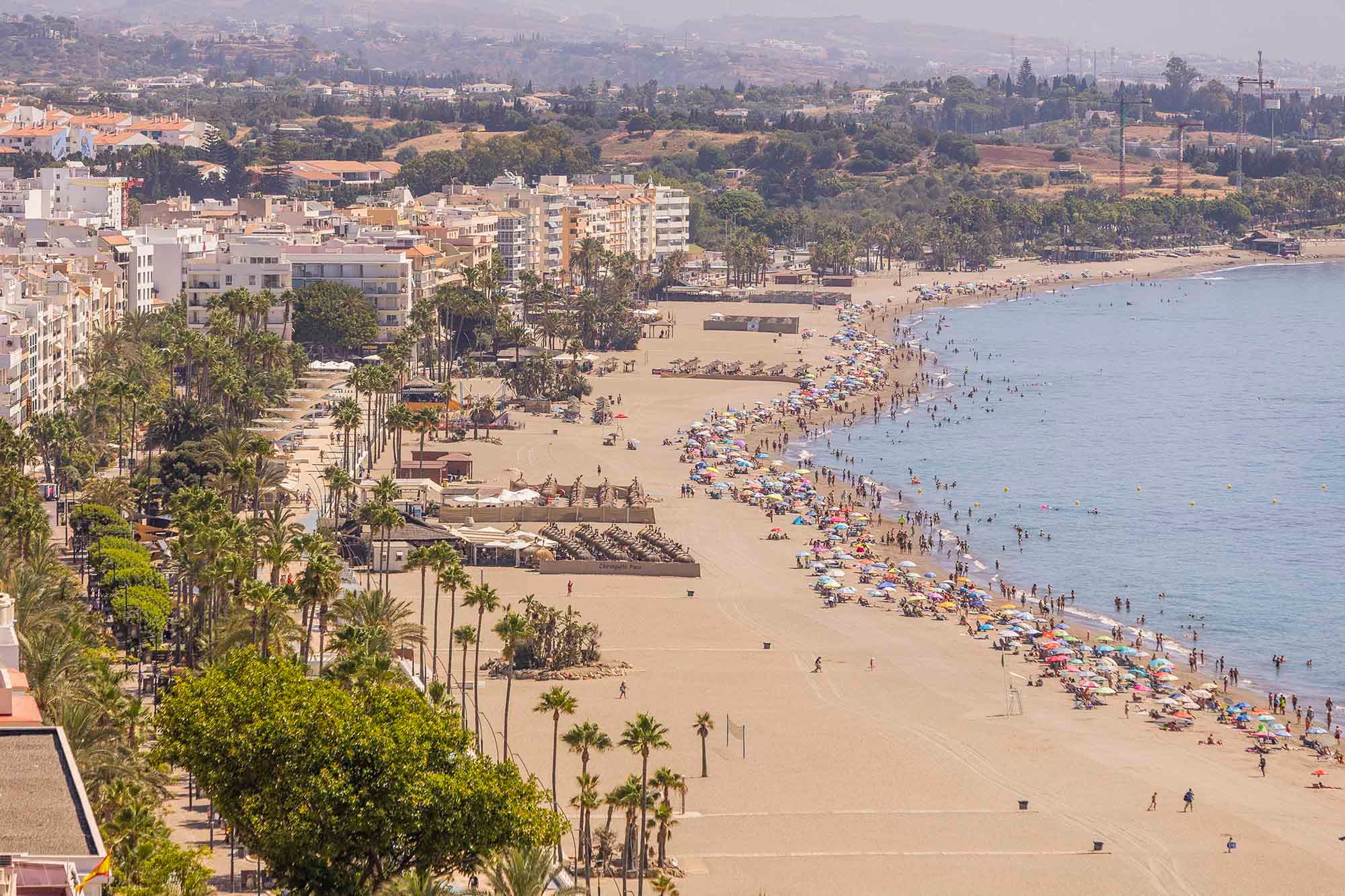
Estepona has a long stretch of sandy beach running along the seafront, with the town centre close enough to walk to. La Rada is the main beach — long, open and easy to reach. The seafront promenade runs alongside, making it a pleasant walk at any time of day.
The beaches are busiest in July and August but generally remain calmer than the most crowded spots on the Costa del Sol. Spring and early autumn are a good time to visit if you want more space.
La Rada beach — long, sandy, central
Seafront promenade running the length of the beach
Calm Mediterranean water, good for swimming
Beach bars and restaurants along the seafront
Food and restaurants
Food and restaurants in Estepona
The old town is the best area for atmosphere — small tapas bars, local restaurants and tables on the pavement. The seafront has restaurants with sea views, more useful for a relaxed lunch or dinner. Mercado Santa Ana is a good option for a more casual meal in a lively setting.
Fresh fish and seafood are well represented. Tapas culture is strong — it is perfectly normal to eat a full meal from small plates.
Best for
Who is Estepona best for?
Couples
Relaxed old town, restaurants, seafront walks and a calm pace. A good base for a slower Mediterranean break.
Families
Beaches, open seafront spaces, the Orchidarium and a safe, walkable town centre. Beach-focused with enough to see.
Beach holidays
Long sandy beaches, clear Mediterranean water and a pleasant seafront to return to each evening.
Slow travel
The kind of town that rewards those who take their time. Walk, eat, explore and come back the next day.
Art and culture
Street murals, local history, the Orchidarium, sculpture routes and walking routes with context.
Costa del Sol explorer
A quieter base for day trips along the coast, without giving up good beaches and restaurants.
Planning your stay
How many days do you need in Estepona?
Old town and seafront
Morning: explore the old town, Plaza de las Flores, Torre del Reloj
Afternoon: seafront promenade and beach
Evening: tapas or dinner in the old town
Beaches, food and sights
Day 1: old town, murals, Orchidarium
Day 2: beach day, seafront walk, Mercado Santa Ana
Day 3: walking route, restaurants, relaxed pace
A proper holiday base
Use Estepona as a relaxed base on the western Costa del Sol
Day trips along the coast if you want
Time to slow down, eat well and explore at your own pace
Ideas for your stay
Holiday ideas for Estepona
A relaxed weekend break
Friday evening: arrive, walk the old town, dinner out
Saturday: old town in the morning, beach in the afternoon, seafront in the evening
Sunday: Orchidarium, Mercado Santa Ana, slow return
A family beach break
Base yourselves near the beach or seafront
Beach days with the Orchidarium as a break from the sun
Old town evenings, ice cream, relaxed pace throughout
Food and old town stay
Explore the old town streets over two or three mornings
Lunch at Mercado Santa Ana or a tapas bar
Dinner at a different restaurant each evening
Location and context
Estepona on the Costa del Sol
Estepona sits on the western Costa del Sol, in the province of Málaga, Andalusia. It is roughly 80 kilometres from Málaga Airport, depending on traffic and the route taken. Marbella is around 30 kilometres to the east, and Gibraltar is around 50 kilometres to the west.
Compared to Marbella and the busiest parts of the Costa del Sol, Estepona feels calmer and more local. It is a good choice for a holiday where you want some of the Costa del Sol — beaches, good weather, food — without committing to the most crowded resort atmosphere.
Practical tips
Practical tips for UK visitors
The old town and most beaches are easy to walk to from the town centre. A car isn't essential for central Estepona.
In July and August, plan sightseeing early in the morning or late afternoon. The heat in the middle of the day can be intense.
Spanish meal times are later than the UK: lunch from 14:00–16:00, dinner from 21:00. Restaurants fill up at those times.
A car is useful if you want to explore villages inland, beaches further along the coast or other towns on the Costa del Sol.
Spring and early autumn are excellent: warm weather, fewer crowds and comfortable temperatures for walking.
For the best photos in the old town, go before 10am. The light is better and the streets are quieter.
Frequently asked questions
Questions about holidays in Estepona
Yes. Estepona is a good choice for a Costa del Sol holiday — it has beaches, a walkable old town, good restaurants, an easy-going Mediterranean pace and a calmer atmosphere than the busiest resort areas on the coast.
Estepona is a relaxed town with a genuine local atmosphere. The old town is compact and easy to explore on foot, the seafront is long and pleasant to walk, and there is a good mix of beaches, food and things to see without the holiday-resort feel of some other Costa del Sol towns.
Yes, Estepona is on the western Costa del Sol in the province of Málaga, Andalusia. It sits between Marbella and Gibraltar, roughly 80 kilometres from Málaga Airport.
Estepona tends to be quieter and less crowded than Marbella, with a more local feel. It is a good base if you prefer a relaxed pace, without giving up good beaches and restaurants. Marbella and Puerto Banús are easy day trips from Estepona if you want to visit.
The main things to do in Estepona are exploring the flower-filled old town, walking the seafront promenade, spending time on the beaches, visiting the Orchidarium botanical garden, discovering the street art mural route, eating at local restaurants and exploring the wider Costa del Sol from a relaxed base.
Yes. Estepona has beaches, a long seafront with open spaces, the Orchidarium botanical garden, a calm old town and a generally relaxed atmosphere. It is well suited for families looking for a beach-based holiday with things to see and do beyond the sand.
Yes. The old town, seafront, restaurants and overall relaxed atmosphere make Estepona a good option for couples. It works well both as a base for exploring the Costa del Sol and as a destination in itself for a slower, more atmospheric holiday.
Not necessarily. The old town, seafront and main beaches are walkable from central Estepona. A car is useful if you want to explore the wider Costa del Sol, visit inland villages or spend time at beaches further along the coast.
Two to three days is enough to see the main things: old town, beaches, seafront and a meal out. A week gives you time to slow down, explore at your own pace, take day trips and get a proper sense of the town.
Yes. Estepona has a well-preserved old town with whitewashed streets, flower pots, small squares, historic buildings and a relaxed local atmosphere. The Plaza de las Flores is the best-known spot, but the surrounding streets are equally worth exploring.
Yes. Estepona has a good range of restaurants, from tapas bars and local places in and around the old town to seafront restaurants with sea views. Mercado Santa Ana is a good option for a more casual meal in a lively setting.
Spring (April–June) and early autumn (September–October) offer warm weather, fewer crowds and comfortable conditions for walking. July and August are the busiest and hottest months. Winter is mild and quiet, with the old town and seafront much calmer.
Start planning