

Must-sees
Places of interest in Estepona.
Squares, promenades, heritage, viewpoints, routes and gardens. A curated selection of the 20 places that help you understand the city.
Highlights
The ones not to miss.
 Old Town
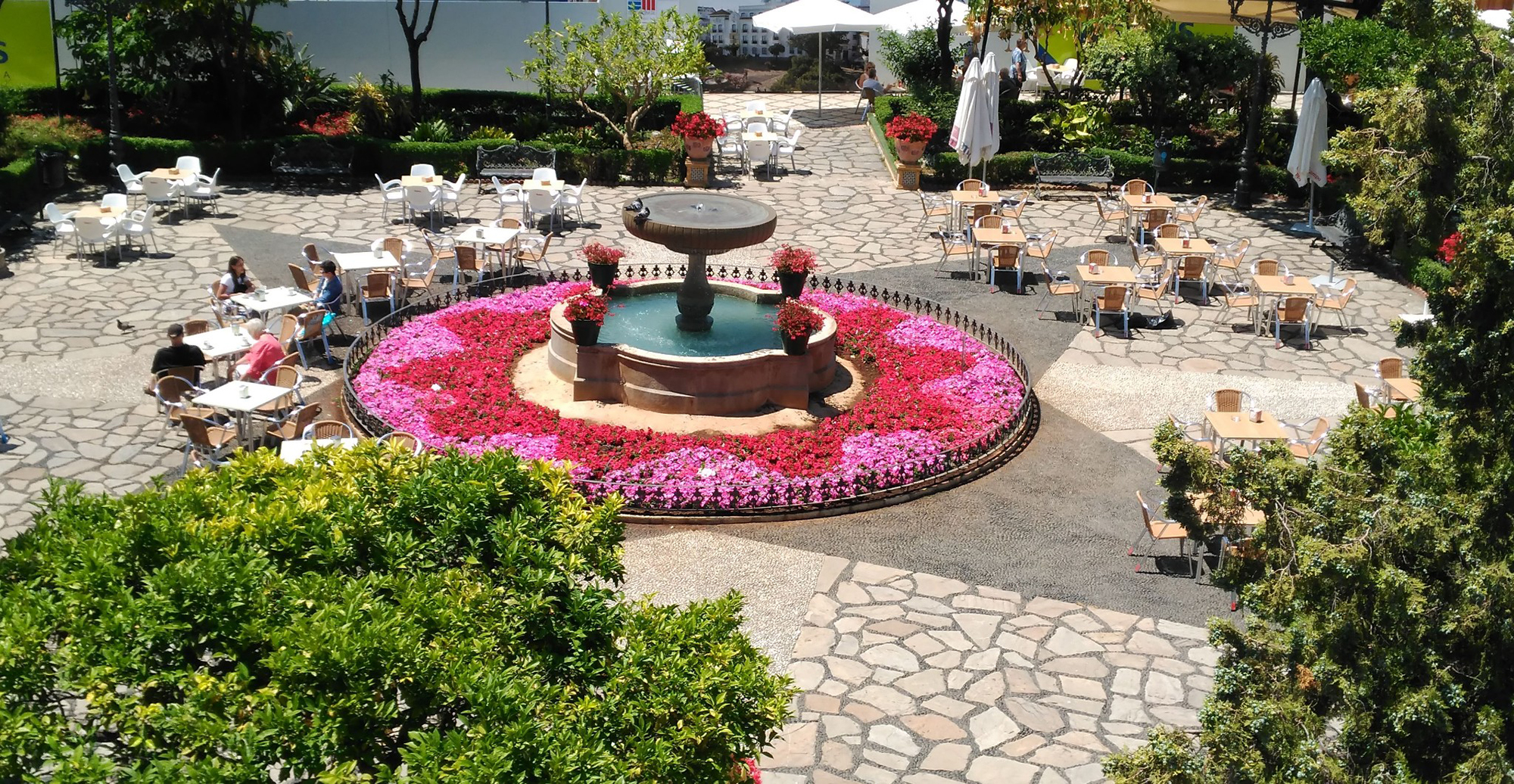
Plaza de las Flores
The square where the old town comes together. Hanging flower pots, café chairs spilling onto the pavement and the Casa de las Tejerinas closing the northern end. The natural starting point for any visit to the historic centre.
Explore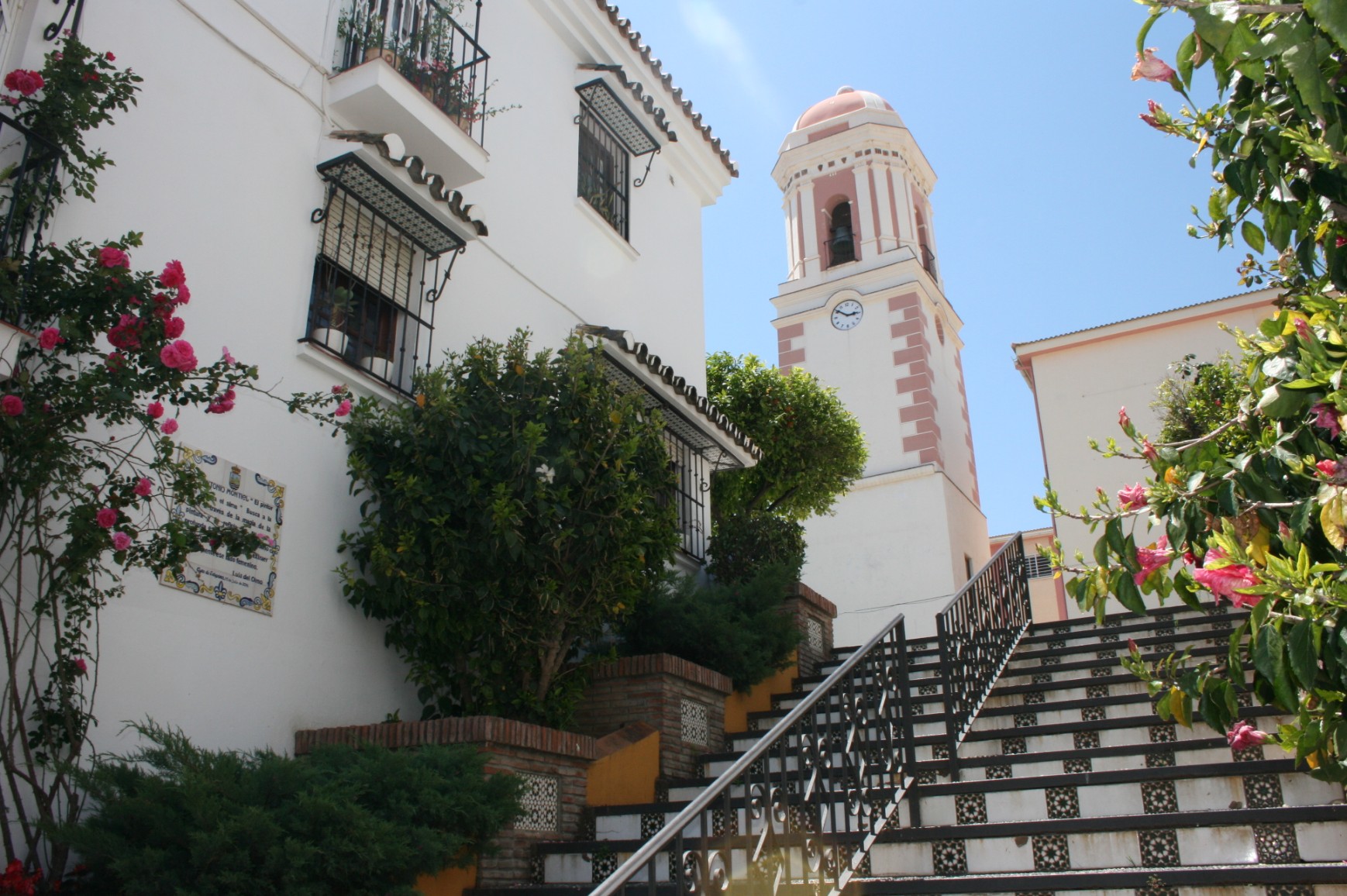 Historic heritage
Torre del Reloj
The tower of the old Church of Los Remedios, raised in the sixteenth century. A neoclassical belfry in the eighteenth. A freestanding tower since the 1755 earthquake brought down the church around it. And a clock since the early twentieth. Estepona's most recognisable heritage landmark — visible and accessible without a ticket.
Explore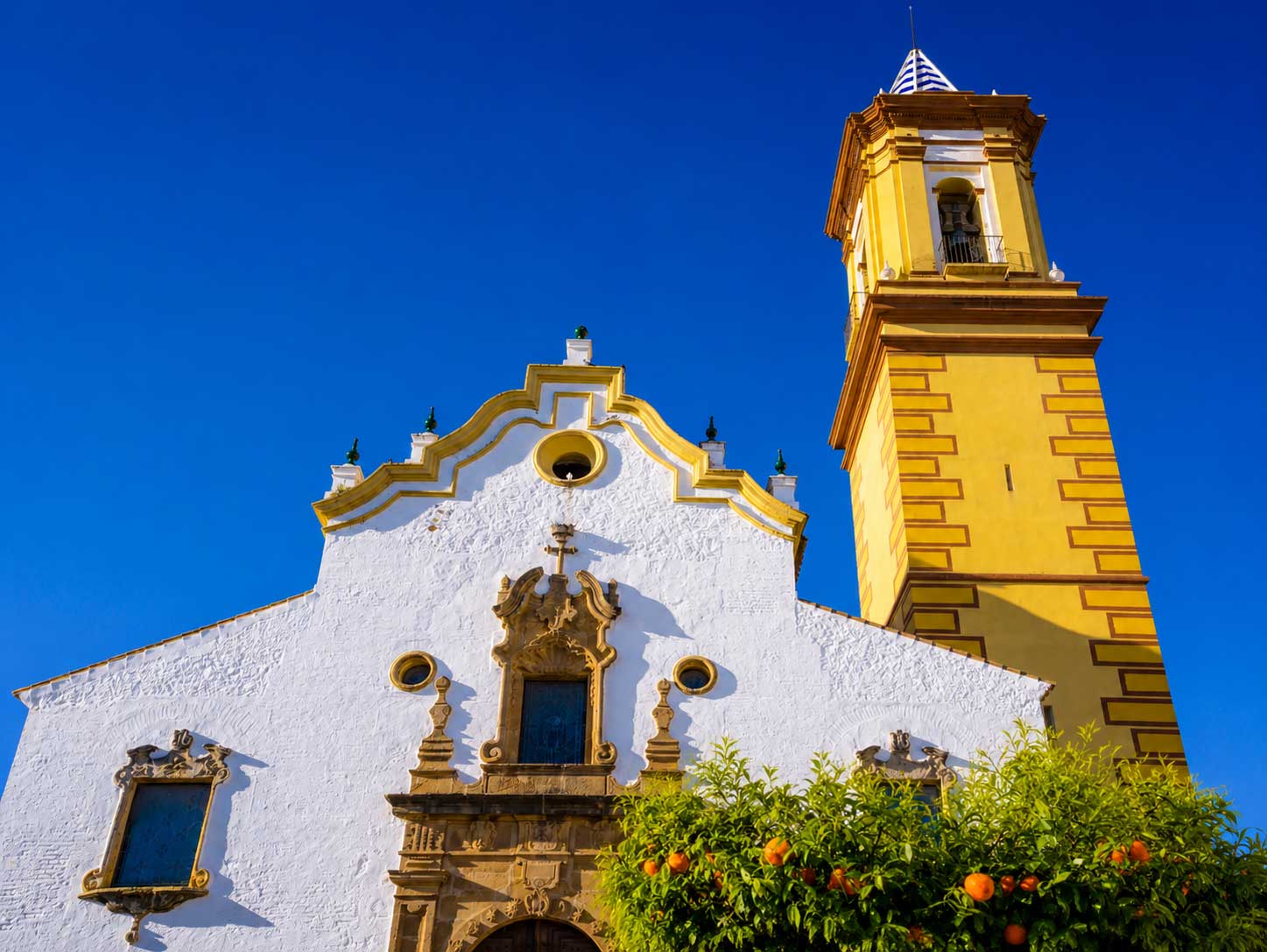 Historic heritage
Iglesia de Ntra. Sra. de los Remedios
Late Baroque, raised in the late eighteenth century as the church of the Franciscan convent, over the old Veracruz chapel. The doorway carries the date 1772. And a single tower: the other one in those old-town photographs stands a hundred and twenty metres away and is the Clock Tower.
Explore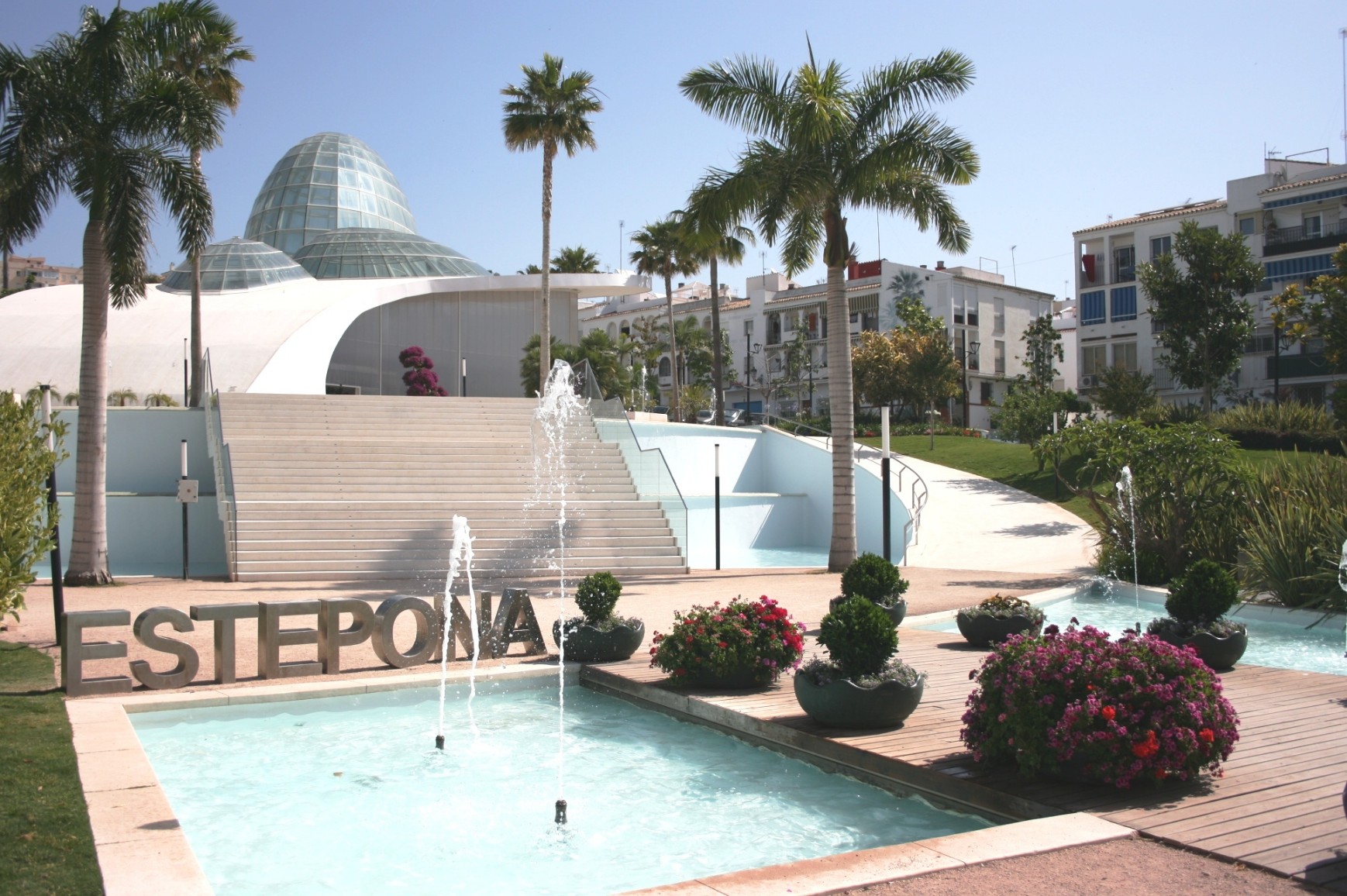 Nature
Parque Botánico-Orquidario
A tropical greenhouse spanning 1,000 m² with over 1,500 species of orchids, carnivorous plants, vertical gardens and a 30-metre dome. Right in the centre of Estepona. One of the most singular spaces on the Costa del Sol.
Explore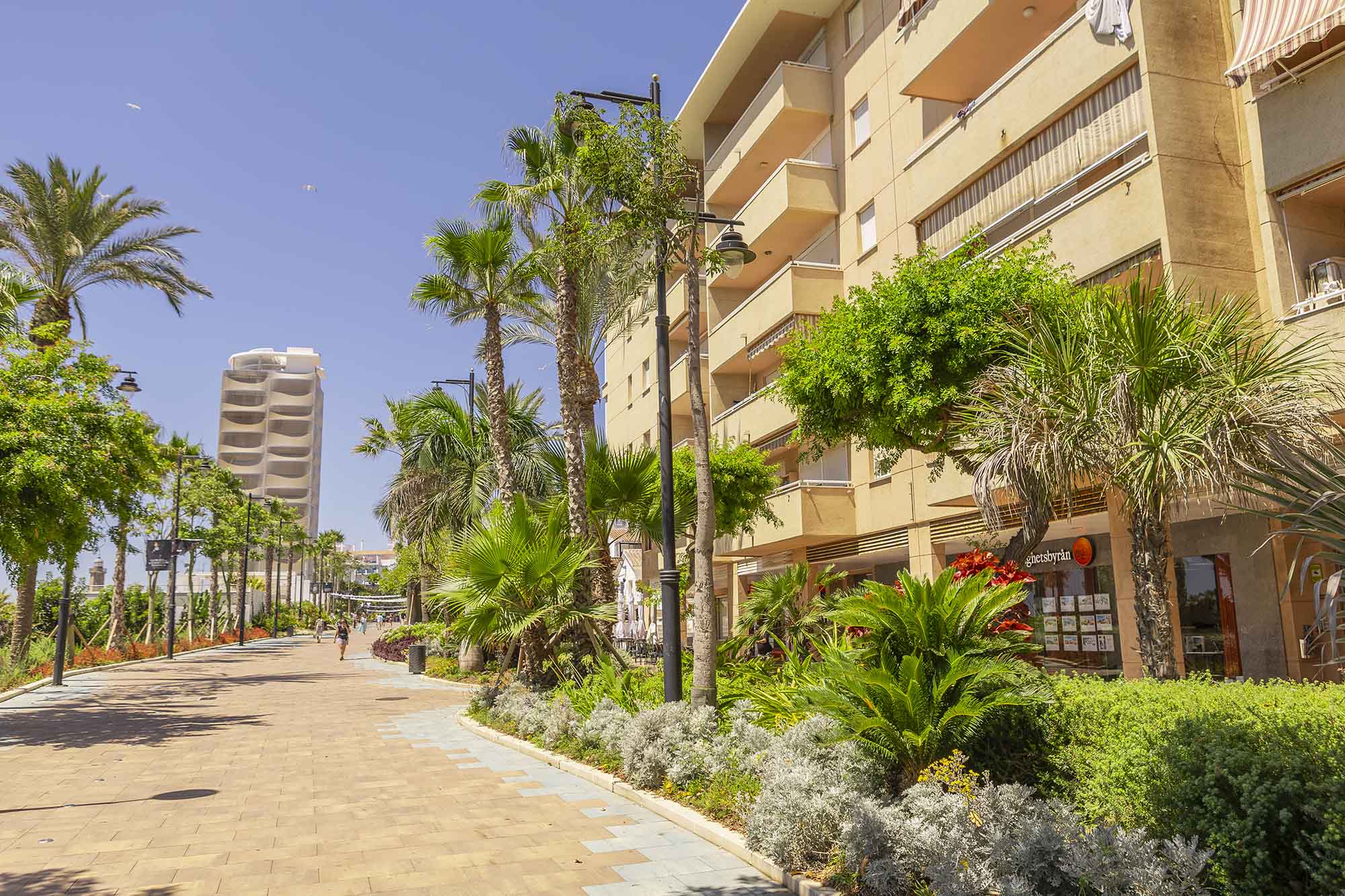 Walks
WalksBulevar de Estepona
A landscaped walkway that divides the centre and links the historic quarter to the waterfront. Fountains, year-round shade and the sea at the far end. On weekends, Estepona's living room.
Explore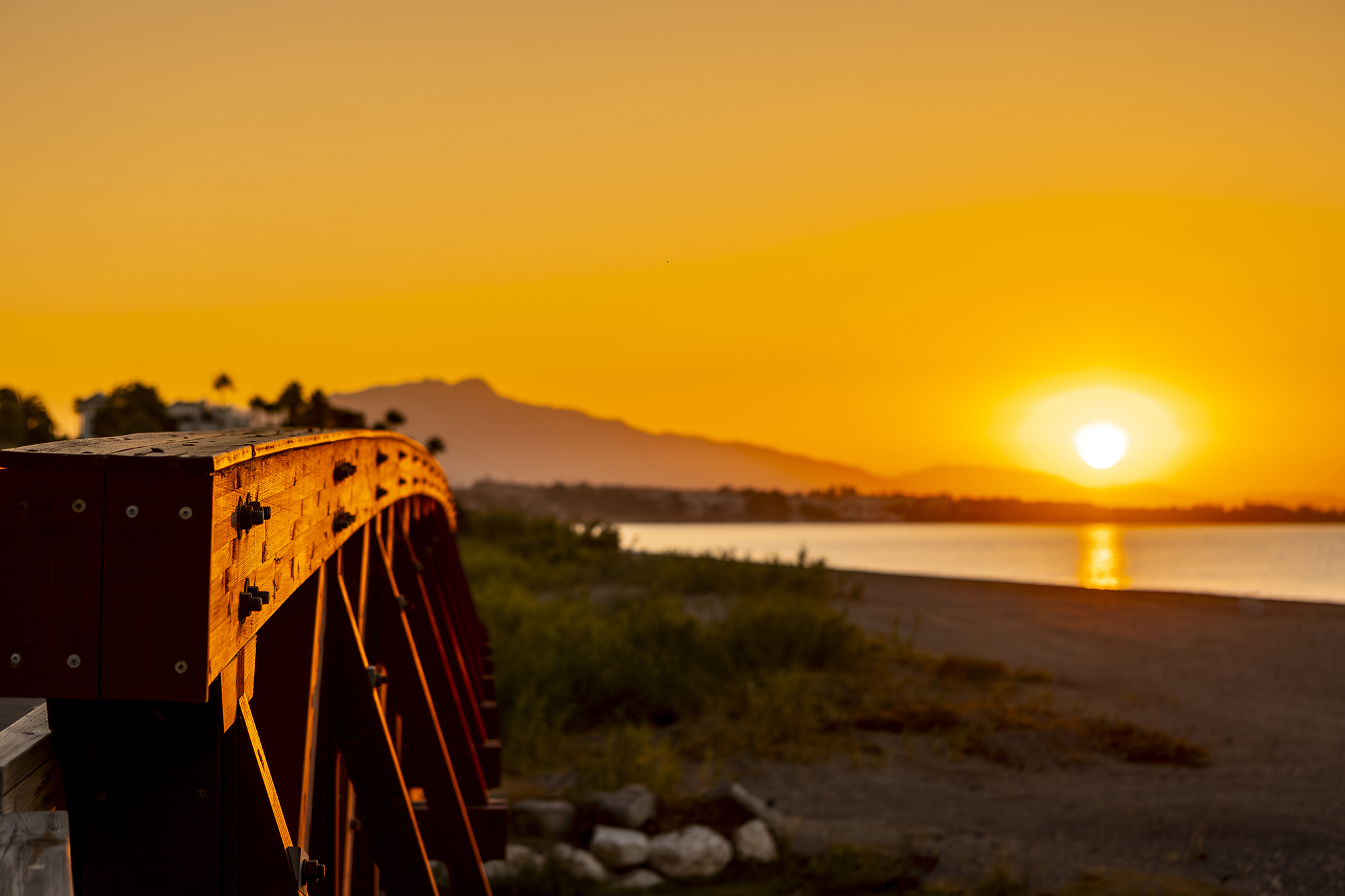 Routes
Senda Litoral
14 kilometres of coast running through beaches, coves and views of the Rock of Gibraltar. Wooden boardwalks, direct sea access and the same shoreline that the fishermen of the eighteenth century knew in an entirely different way. Best walked at dawn.
Explore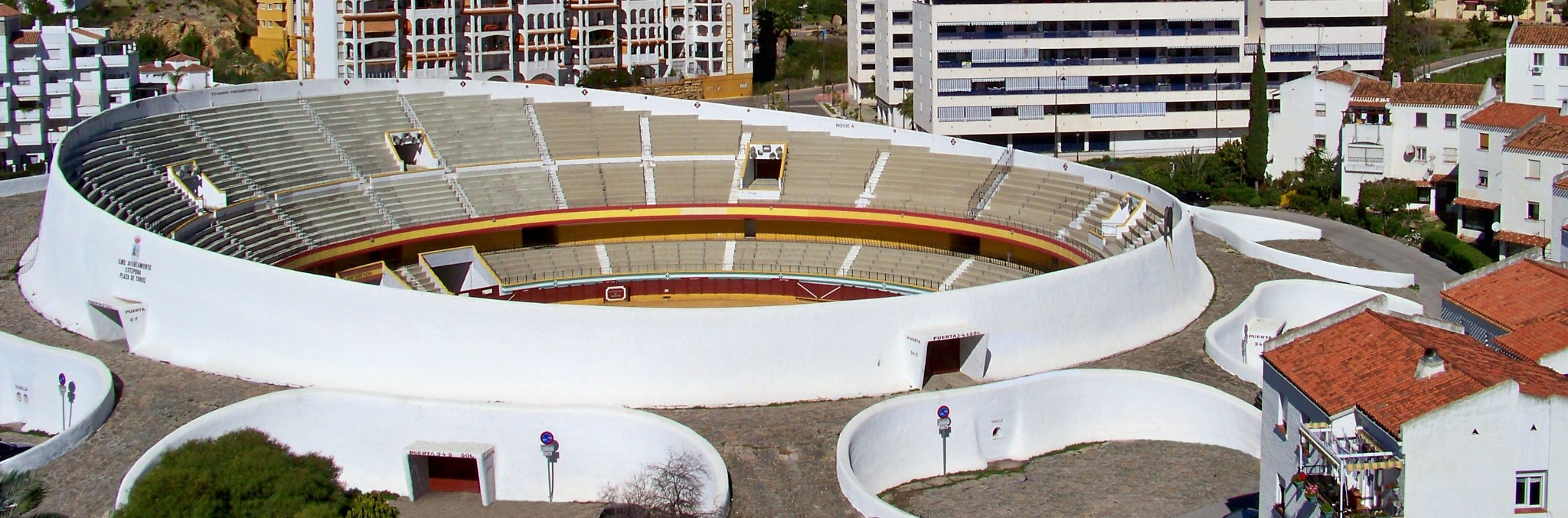 Singular architecture
Plaza de Toros
Opened in 1972, designed by architect Juan Mora Urbano. Considered the world's first asymmetric bullring, built to maximise shade for spectators. Free entry. The exterior alone is worth the walk.
Explore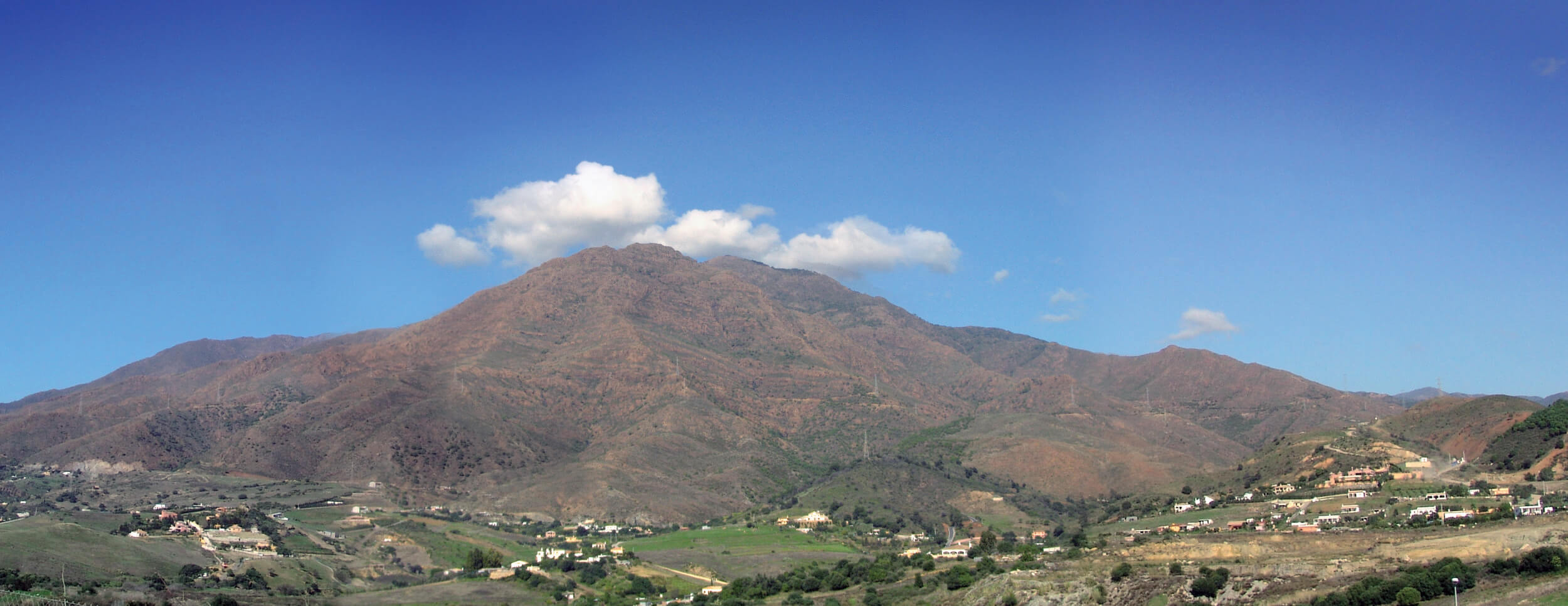 Premium nature
Sierra Bermeja y los Pinsapos
Sierra Bermeja is home to the pinsapo, a relict fir tree from the Tertiary period that exists only in this range and in the Moroccan Rif. The perfect counterpoint to the beach: mountain, silence and a singular forest just minutes from the centre.
ExploreHeritage
8 placesTorre del Reloj
The tower of the old Church of Los Remedios, raised in the sixteenth century. A neoclassical belfry in the eighteenth. A freestanding tower since the 1755 earthquake brought down the church around it. And a clock since the early twentieth. Estepona's most recognisable heritage landmark — visible and accessible without a ticket.
Read moreIglesia de Ntra. Sra. de los Remedios
Late Baroque, raised in the late eighteenth century as the church of the Franciscan convent, over the old Veracruz chapel. The doorway carries the date 1772. And a single tower: the other one in those old-town photographs stands a hundred and twenty metres away and is the Clock Tower.
Read more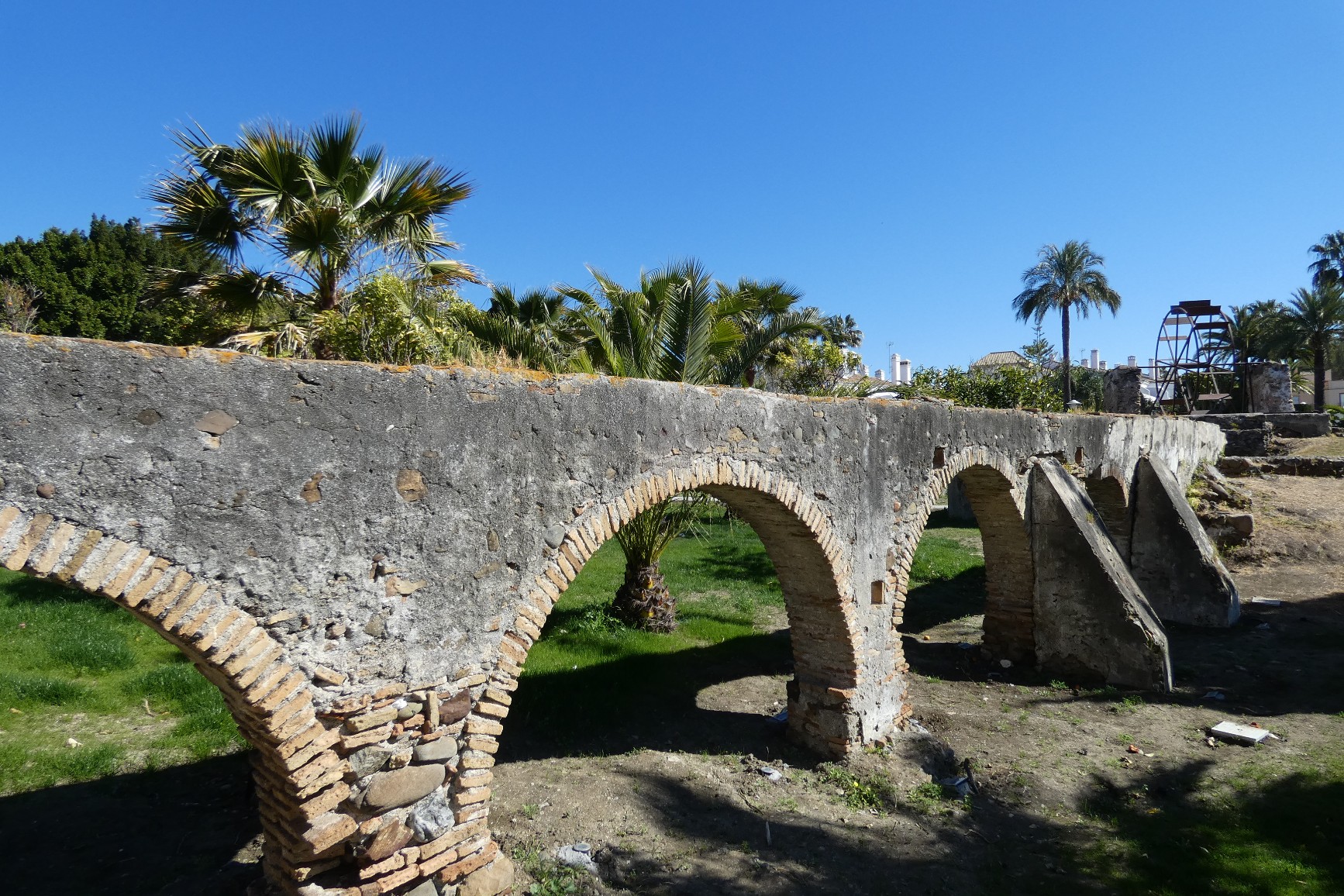
Acueducto del Ángel
A waterwheel well and aqueduct complex recalling Estepona's agricultural era, when it was one of the most productive districts in the province. A quiet discovery off the usual routes.
Read more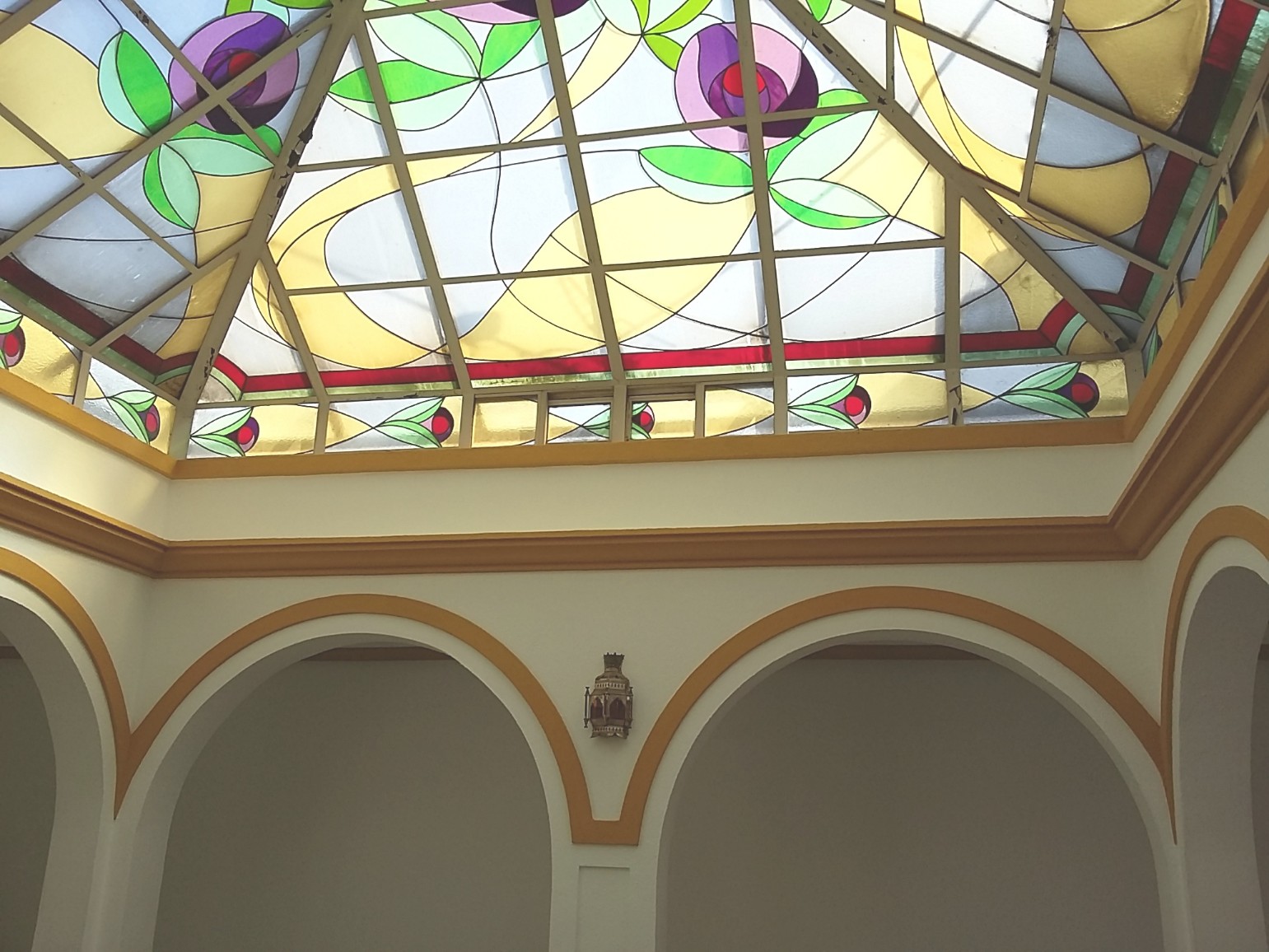
Casa de Las Tejerinas
The building that closes the Plaza de las Flores. Its date of construction is not documented: the council's heritage catalogue places it in the eighteenth century on the strength of its features alone. Architecture that doesn't need a sign to make itself noticed.
Read more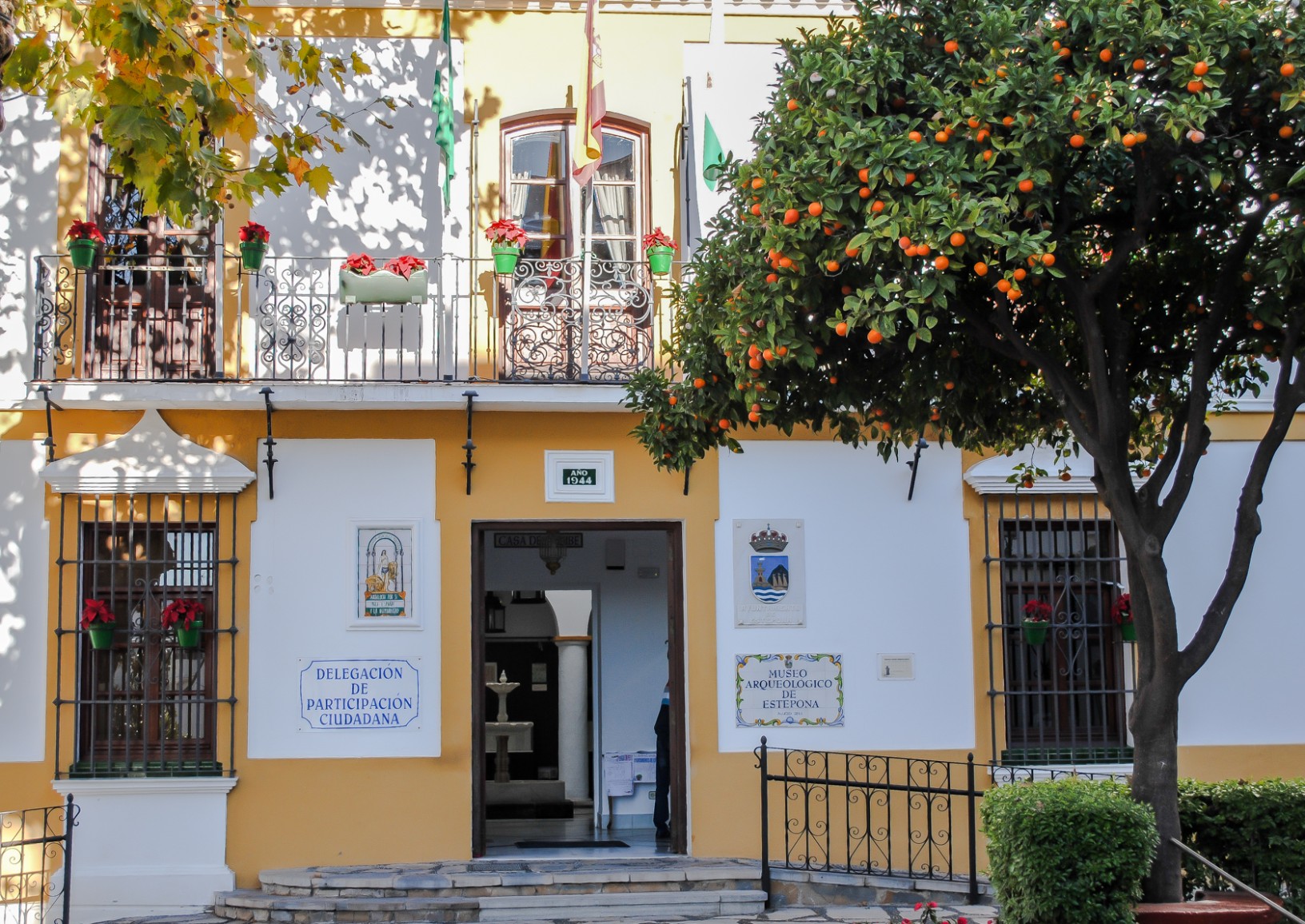
Casa del Aljibe — Museo Arqueológico
The cistern of Muslim origin was rediscovered during a renovation. The building houses the municipal archaeological museum, with pieces spanning prehistory to the Islamic medina of Istibuna. Note: the museum is temporarily closed for refurbishment — check before you go.
Read more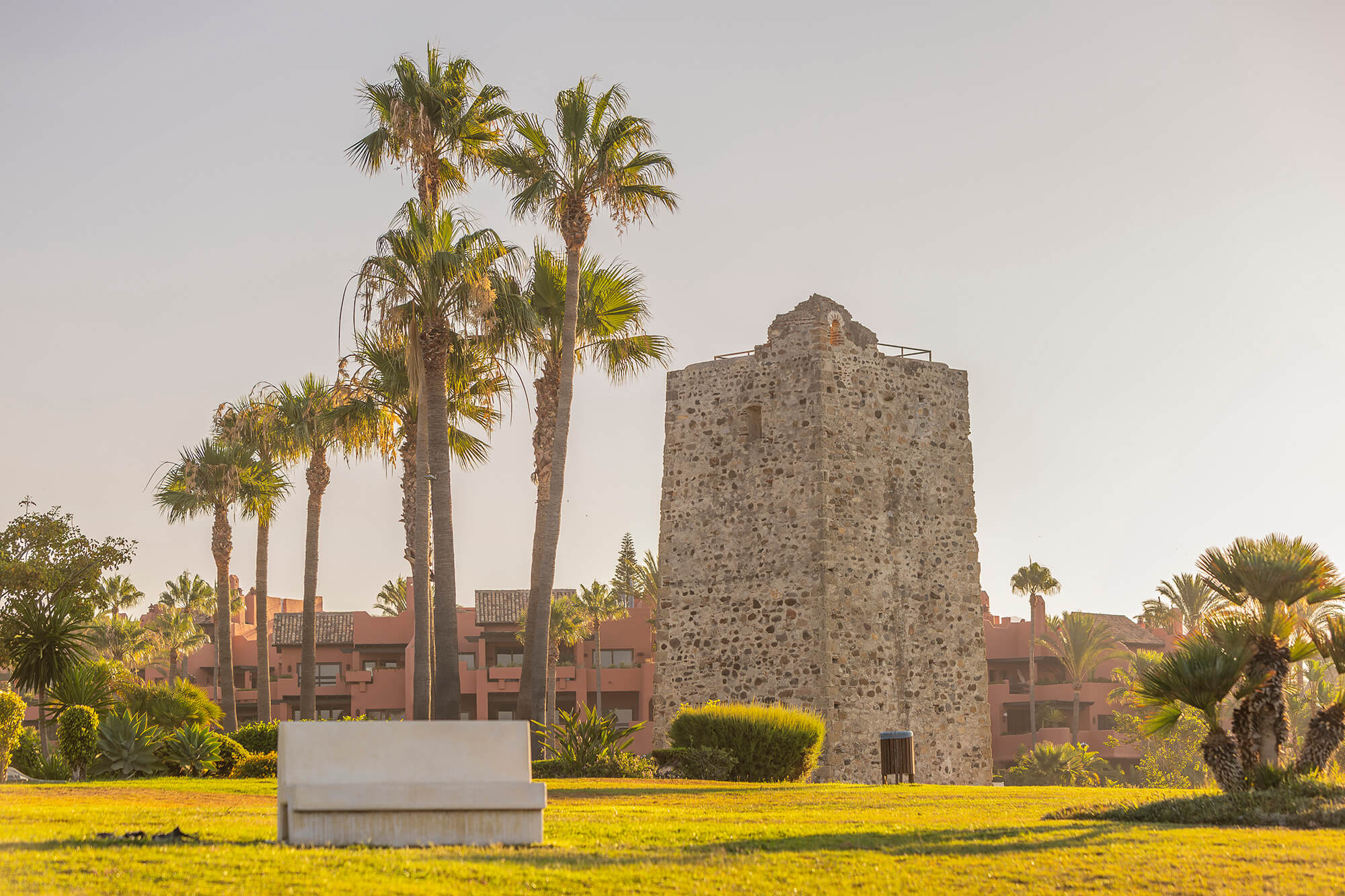
Torres Almenaras
Seven towers that warned of corsairs with bonfires: within minutes the whole coast was on alert. Casasola, at 15 metres, is the tallest on the Andalusian coast.
Read more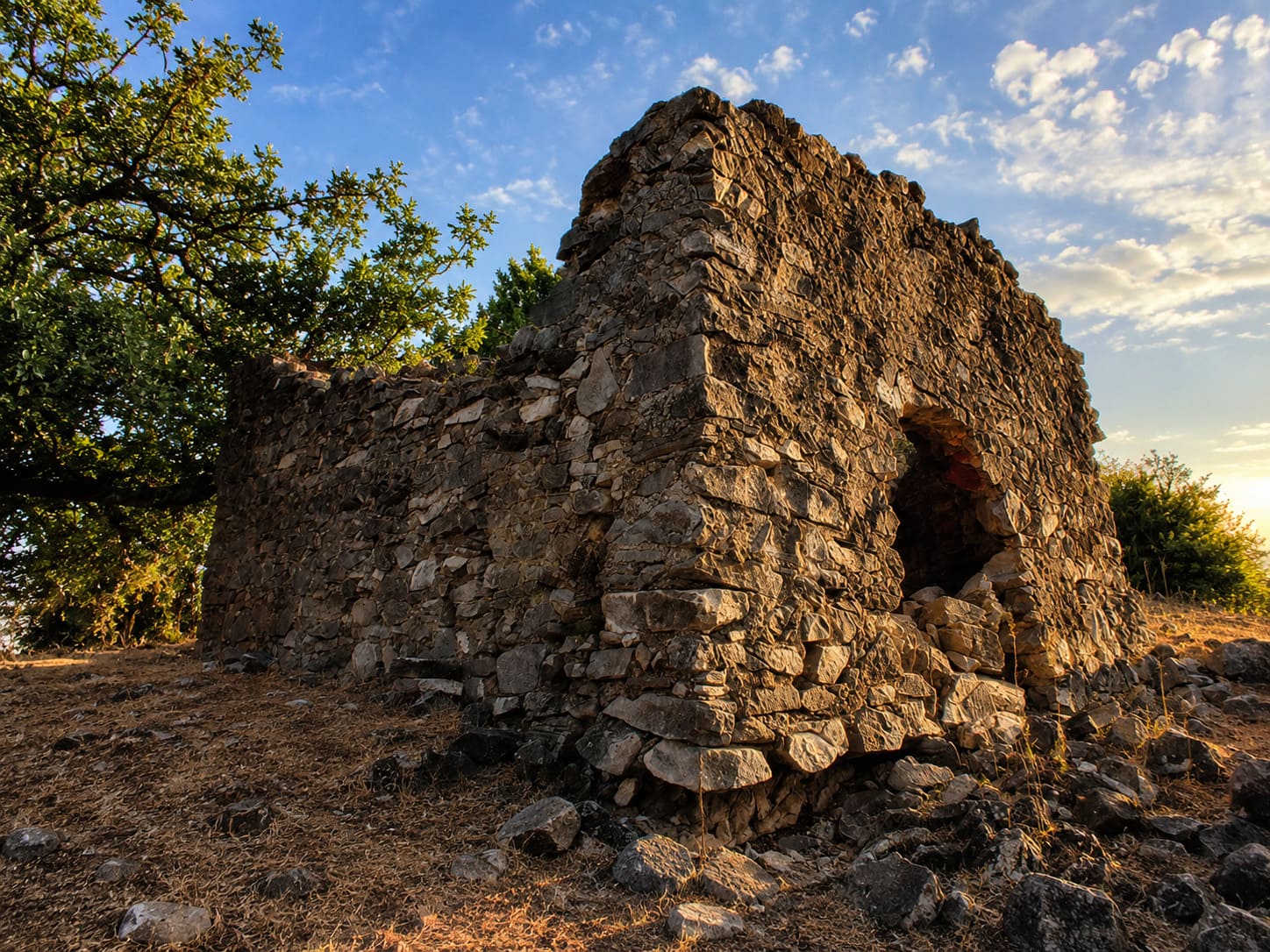
Castillo el Nicio
A ninth-century fortress on the Padrón Alto. It was a key strategic position during Omar ibn Hafsun's rebellion against the Cordoban emirs. The emirate's forces finally captured it in 923 AD. Today the walls and several towers remain.
Read more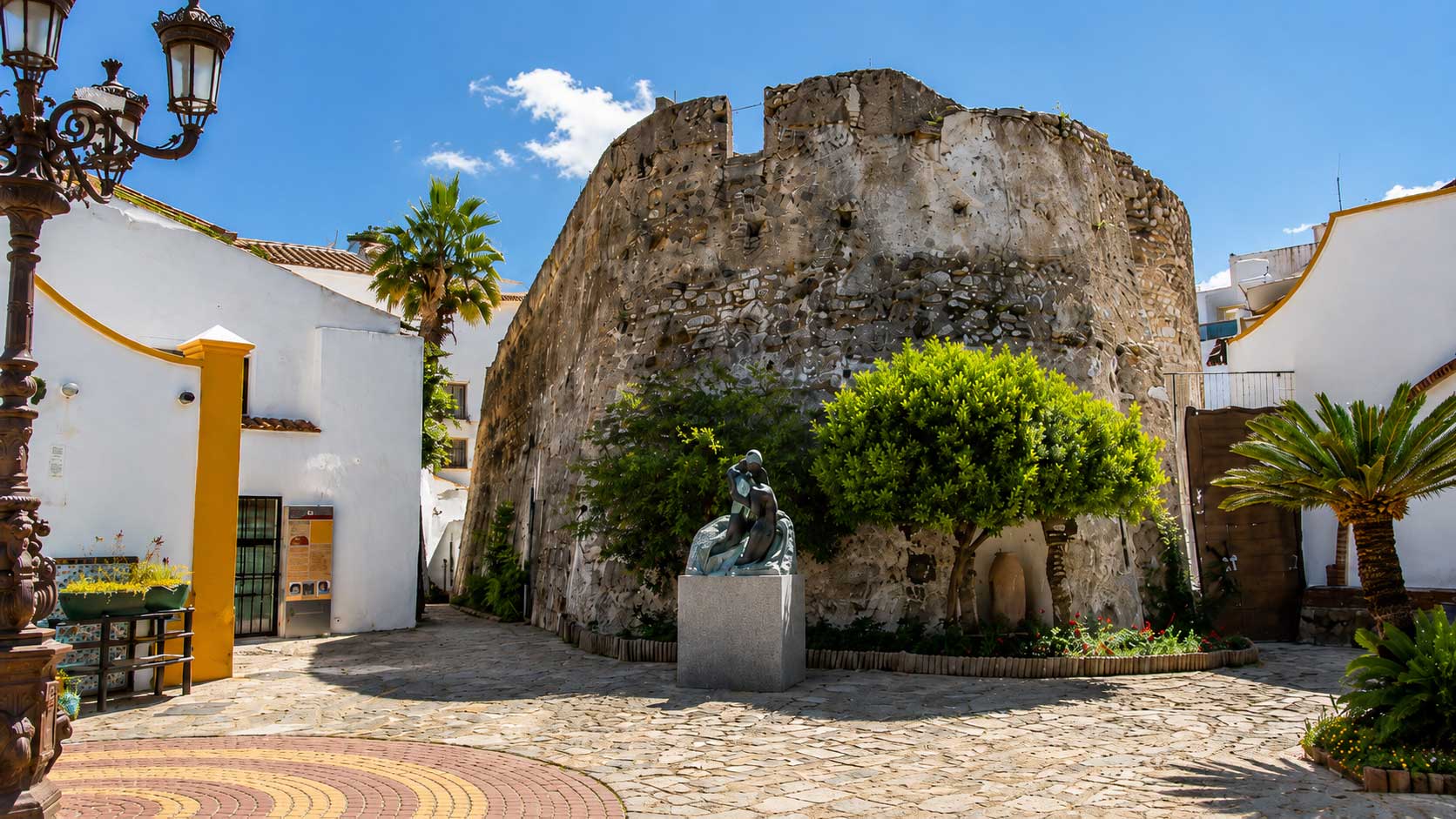
Restos del Castillo de San Luis de Estepona
The archaeological remains of a sixteenth-century coastal fortress, recovered and opened to the public beneath Estepona's old town, with an interior walkway and original artefacts on display.
Read moreWalks
2 placesBulevar de Estepona
A landscaped walkway that divides the centre and links the historic quarter to the waterfront. Fountains, year-round shade and the sea at the far end. On weekends, Estepona's living room.
Read more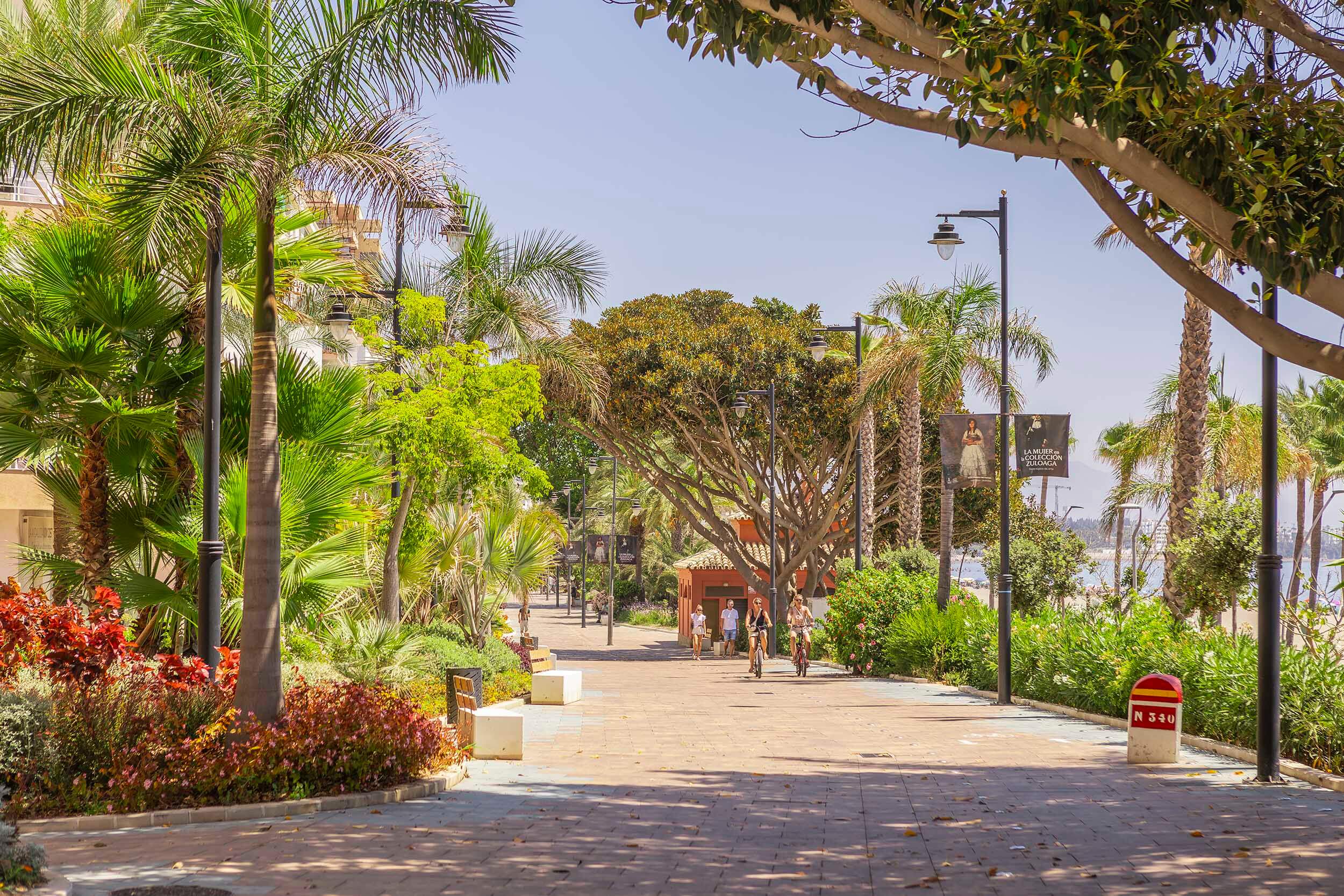
Paseo Marítimo
It runs along La Rada beach from the town centre to the fishing harbour. Palm trees, beach bars and the same scene that has played out here for decades: people walking unhurried beside the Mediterranean. The promenade is named after a local man shot in 1831.
Read moreOld Town
2 placesPlaza de las Flores
The square where the old town comes together. Hanging flower pots, café chairs spilling onto the pavement and the Casa de las Tejerinas closing the northern end. The natural starting point for any visit to the historic centre.
Read more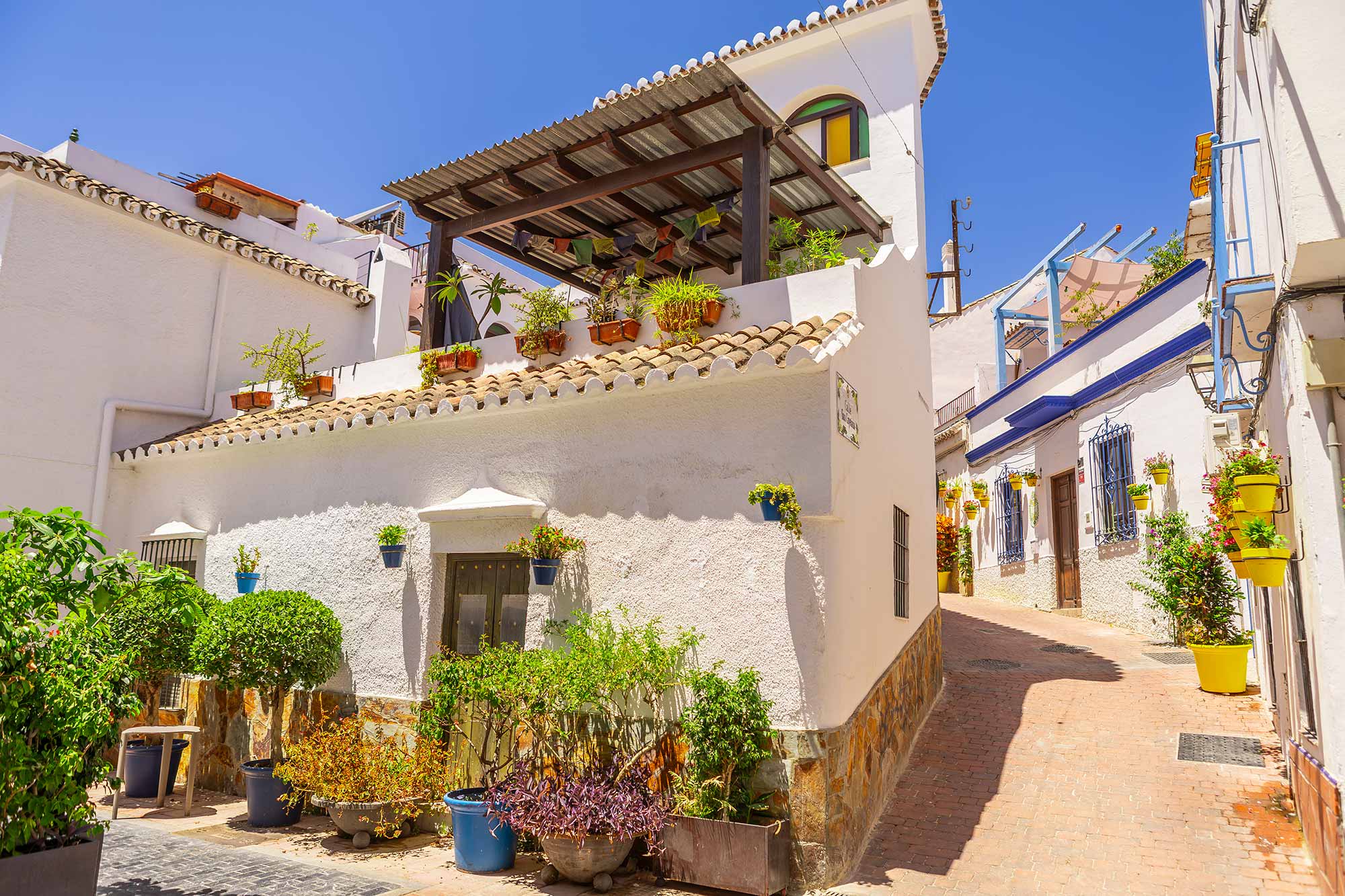
Calles Típicas
The historic quarter has a recognisable pattern: geranium pots, whitewashed façades and a human scale that invites you to get happily lost. Named Spain's most flower-filled municipality in 1967.
Read moreNature
3 placesParque Botánico-Orquidario
A tropical greenhouse spanning 1,000 m² with over 1,500 species of orchids, carnivorous plants, vertical gardens and a 30-metre dome. Right in the centre of Estepona. One of the most singular spaces on the Costa del Sol.
Read more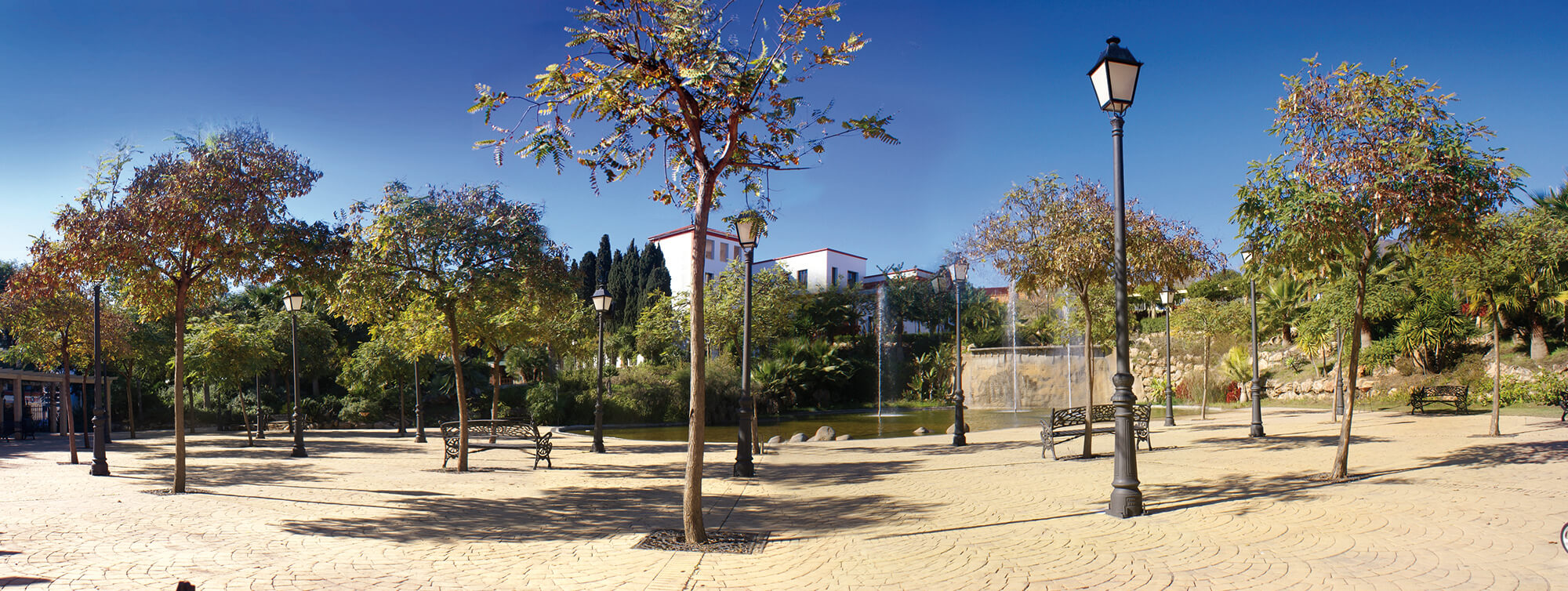
Parques de Estepona
Over 100 hectares of public green space across the city. Parque El Calvario holds the Ermita del Calvario, built around 1818 as a place of care for the sick and those with leprosy, kept outside the urban core. Today it has a statue of Juana Luna, Estepona's midwife.
Read moreSierra Bermeja y los Pinsapos
Sierra Bermeja is home to the pinsapo, a relict fir tree from the Tertiary period that exists only in this range and in the Moroccan Rif. The perfect counterpoint to the beach: mountain, silence and a singular forest just minutes from the centre.
Read moreViewpoints
2 places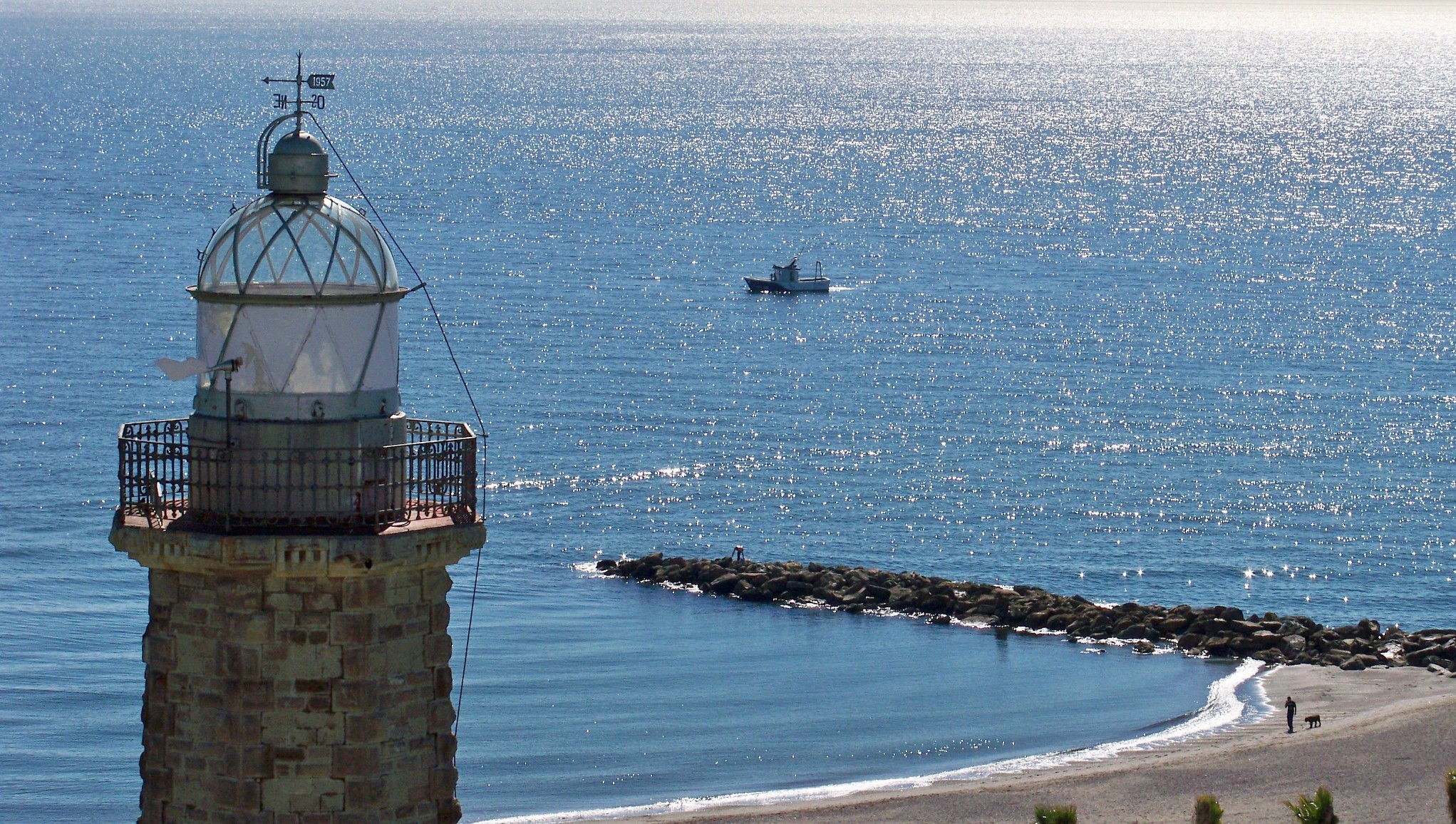
Faro de Punta Doncella
A twentieth-century lighthouse working in tandem with the Punta Almina lighthouse in Ceuta to mark the Strait. The clearest view of Africa on a good day. Accessible on foot.
Read more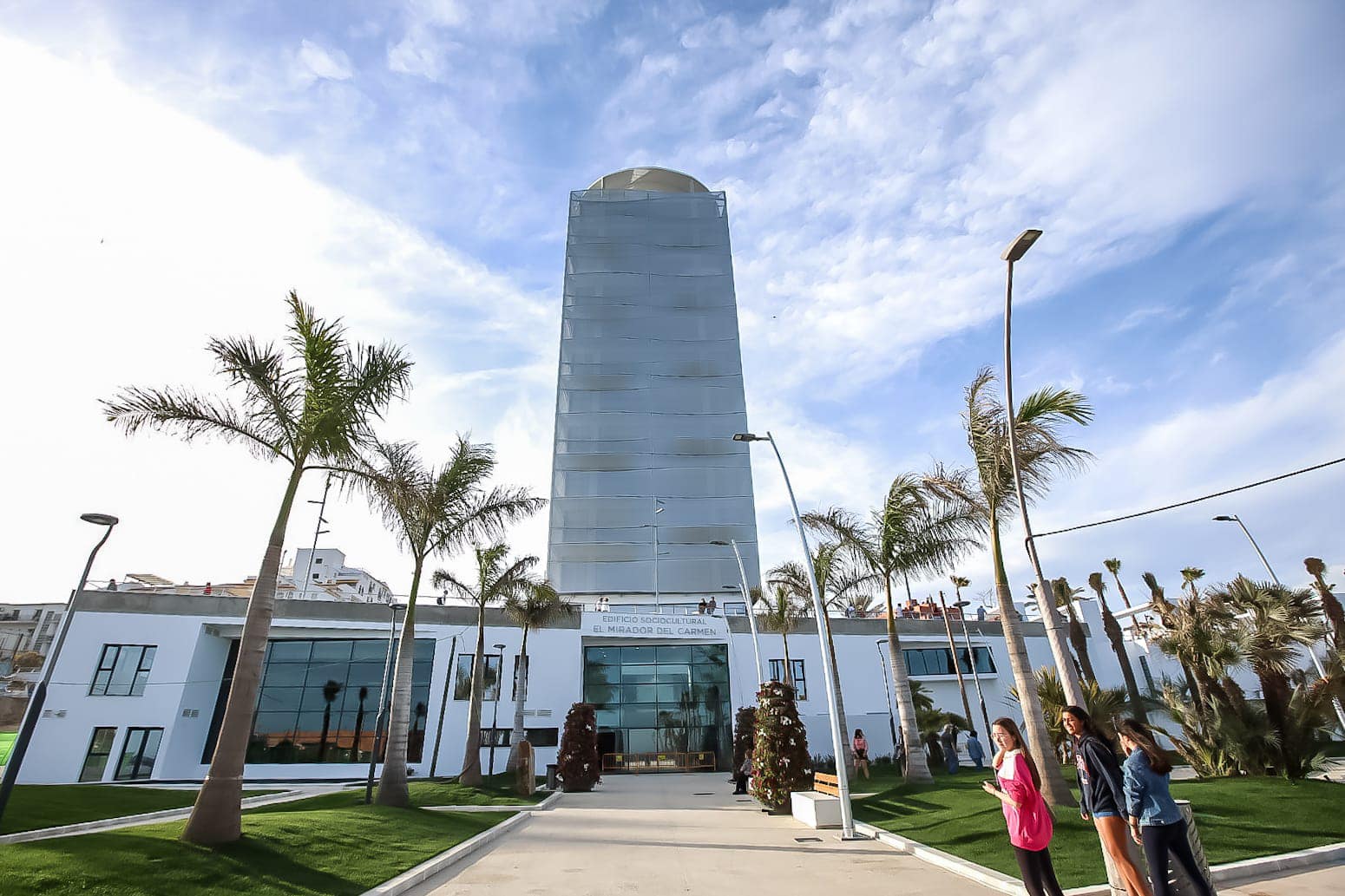
Mirador del Carmen
A circular lookout with views stretching east to Marbella and west to Gibraltar. The highest point on the seafront. Worth it at sunrise or sunset.
Read moreRoutes
2 placesSenda Litoral
14 kilometres of coast running through beaches, coves and views of the Rock of Gibraltar. Wooden boardwalks, direct sea access and the same shoreline that the fishermen of the eighteenth century knew in an entirely different way. Best walked at dawn.
Read more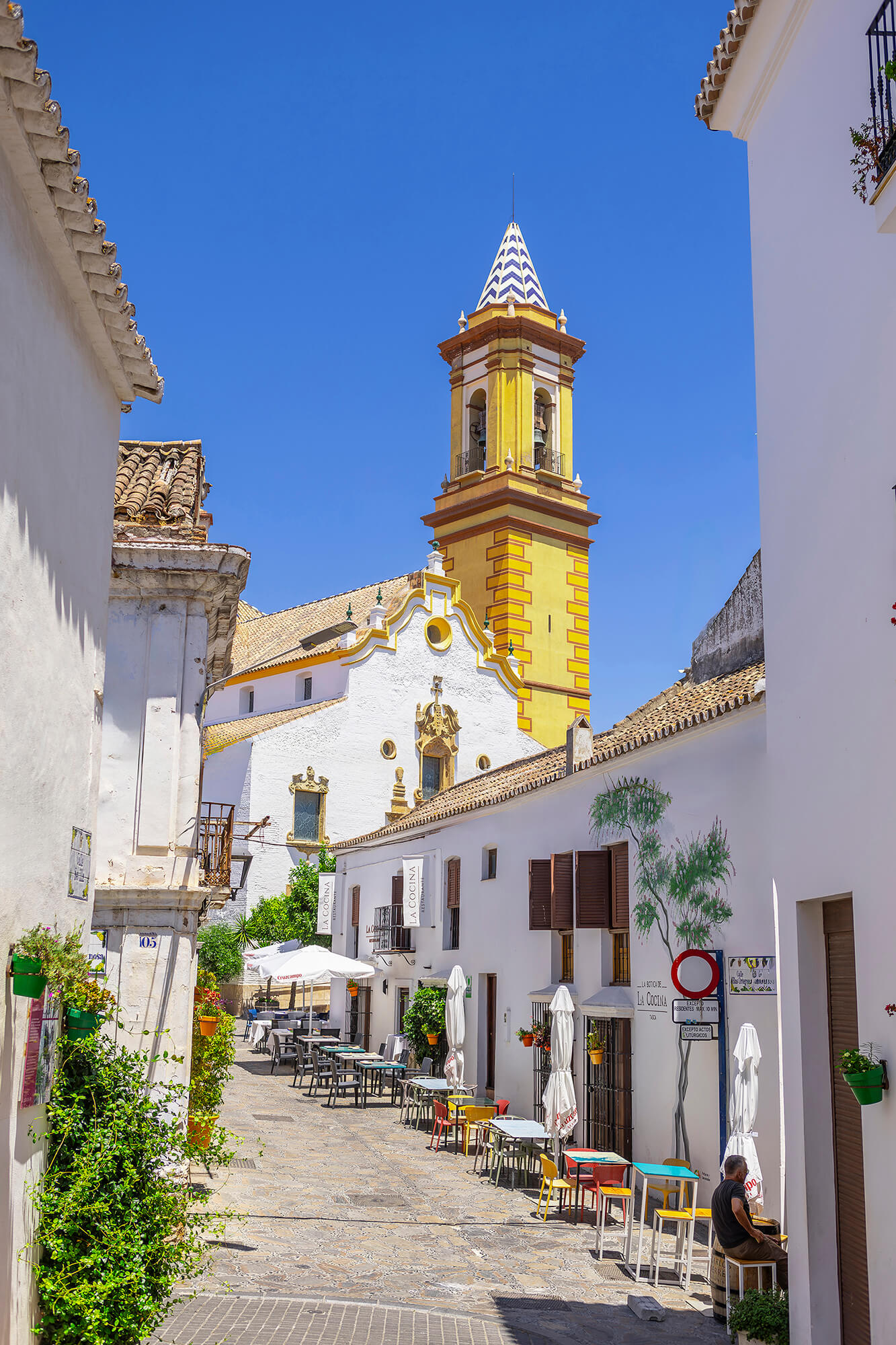
Ruta Rincones con Encanto
Twelve stops from Plaza de las Flores, an hour and a half at an easy pace: neighbours' chairs by the door, lines by Machado and a pasodoble score.
Read moreInteractive map
See all the essential places on the map.
The Estepona Travel map layers heritage, gastronomy, routes and viewpoints in a single view. Filter by category and plan your visit.