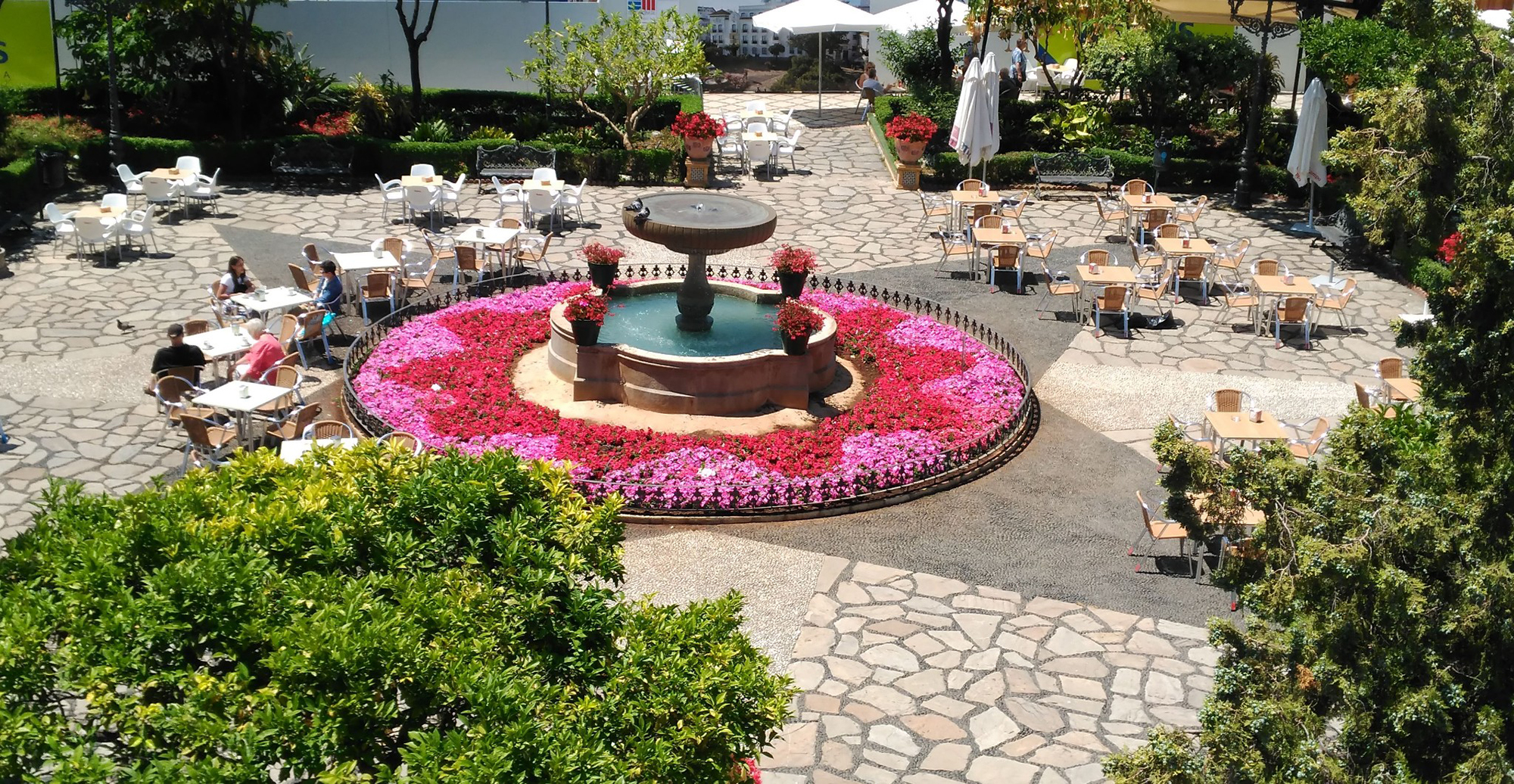
Calles Típicas
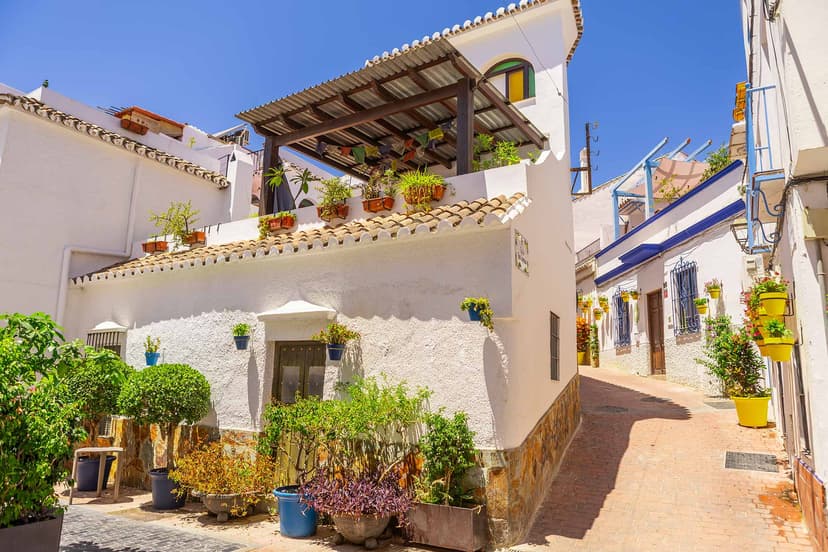
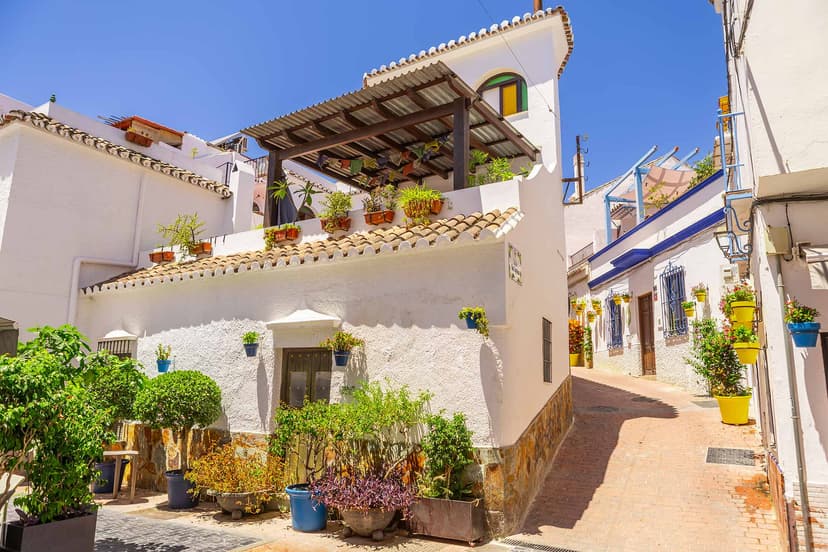
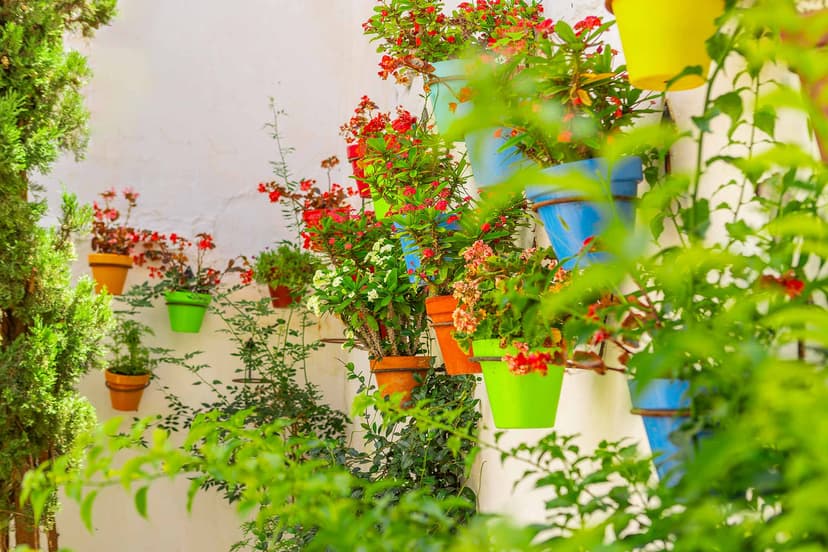
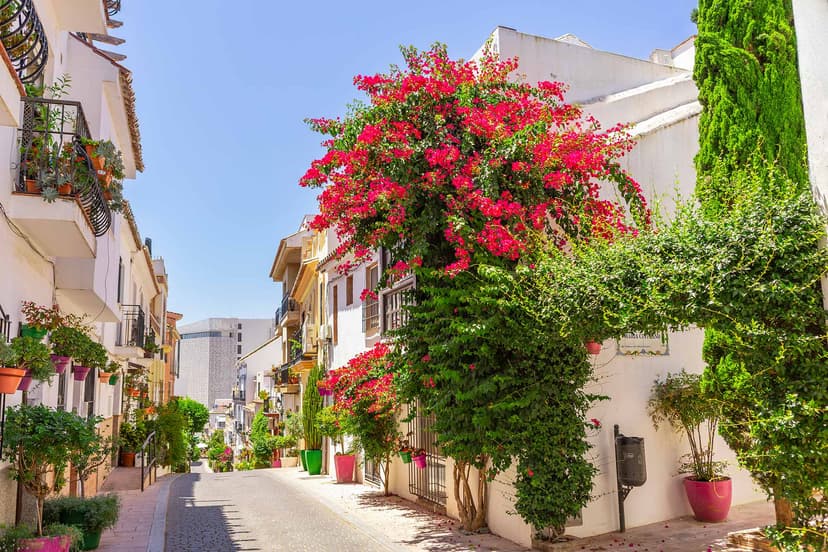
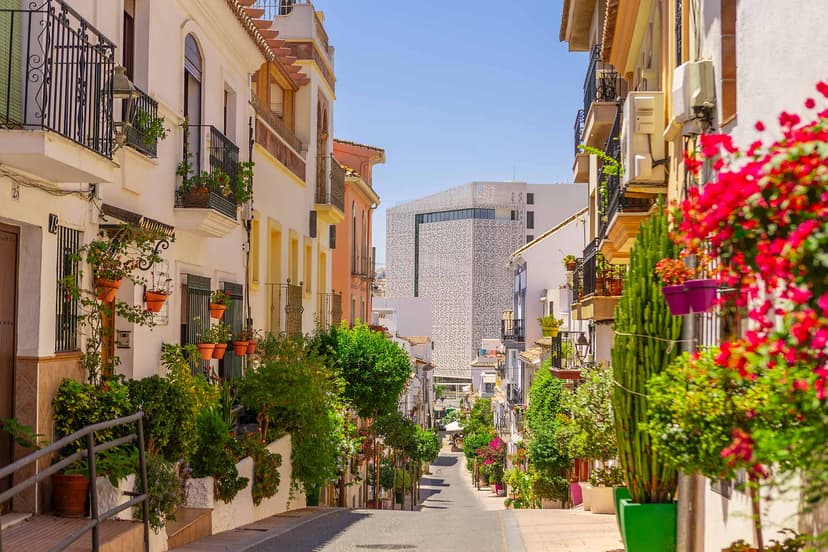
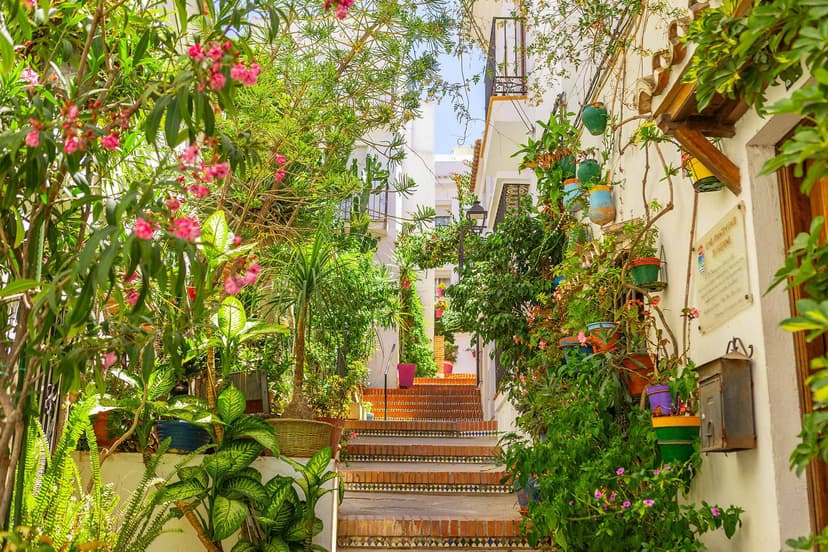
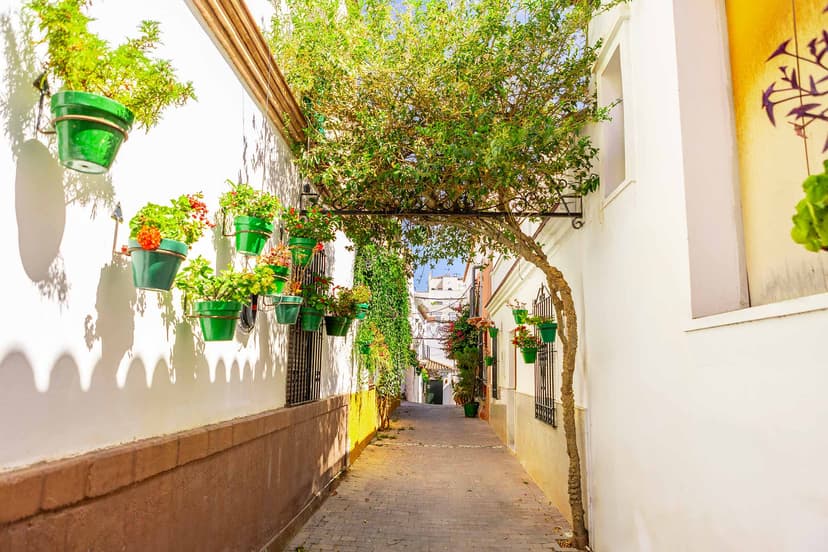
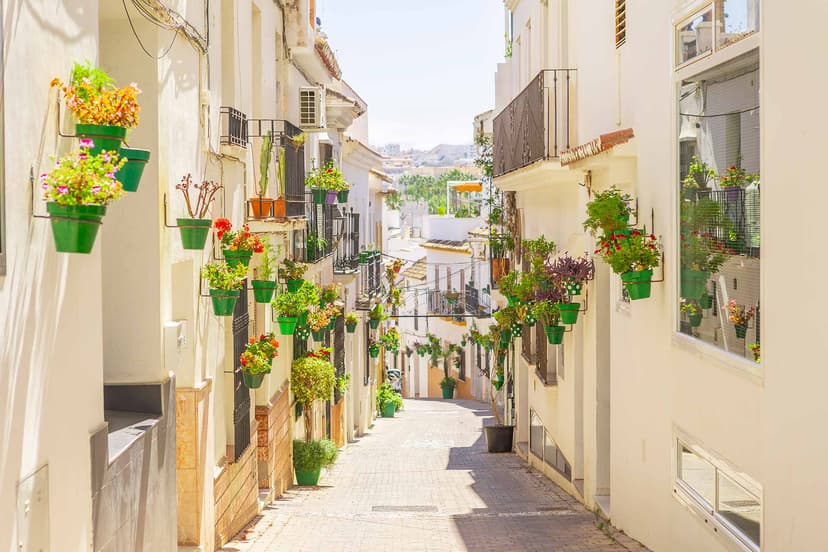
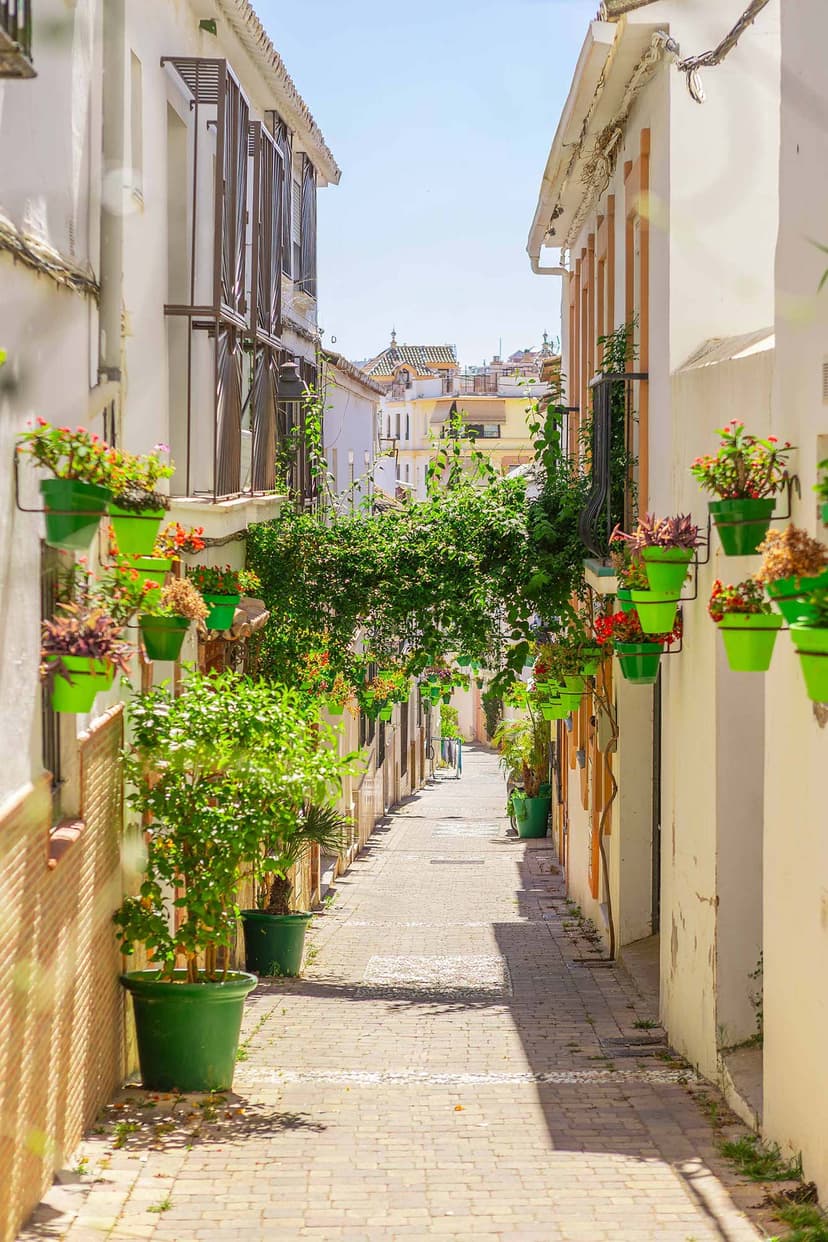
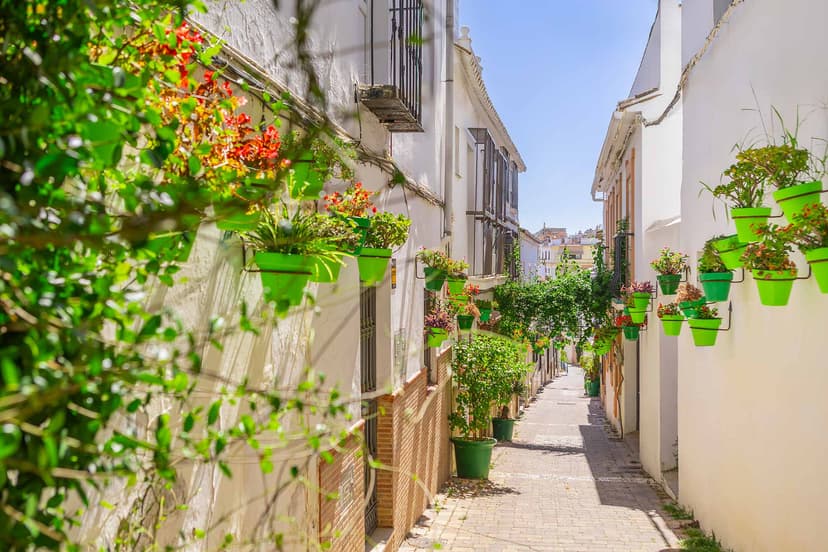
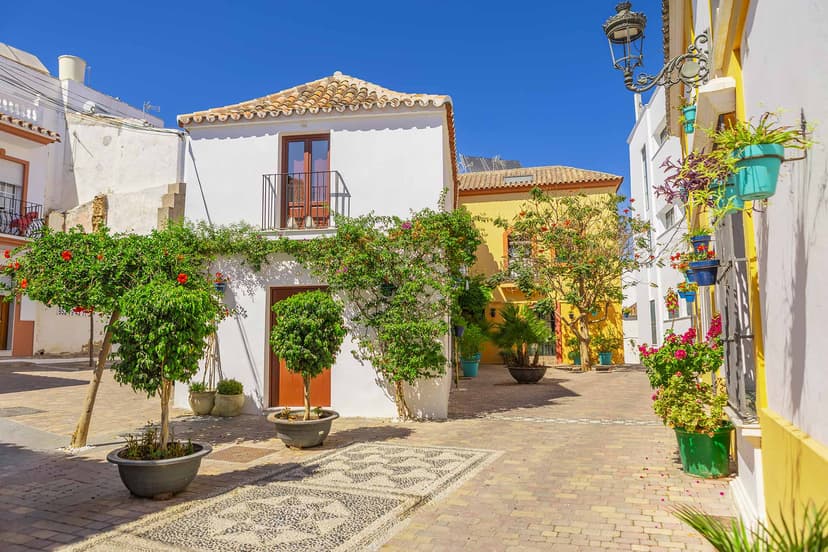
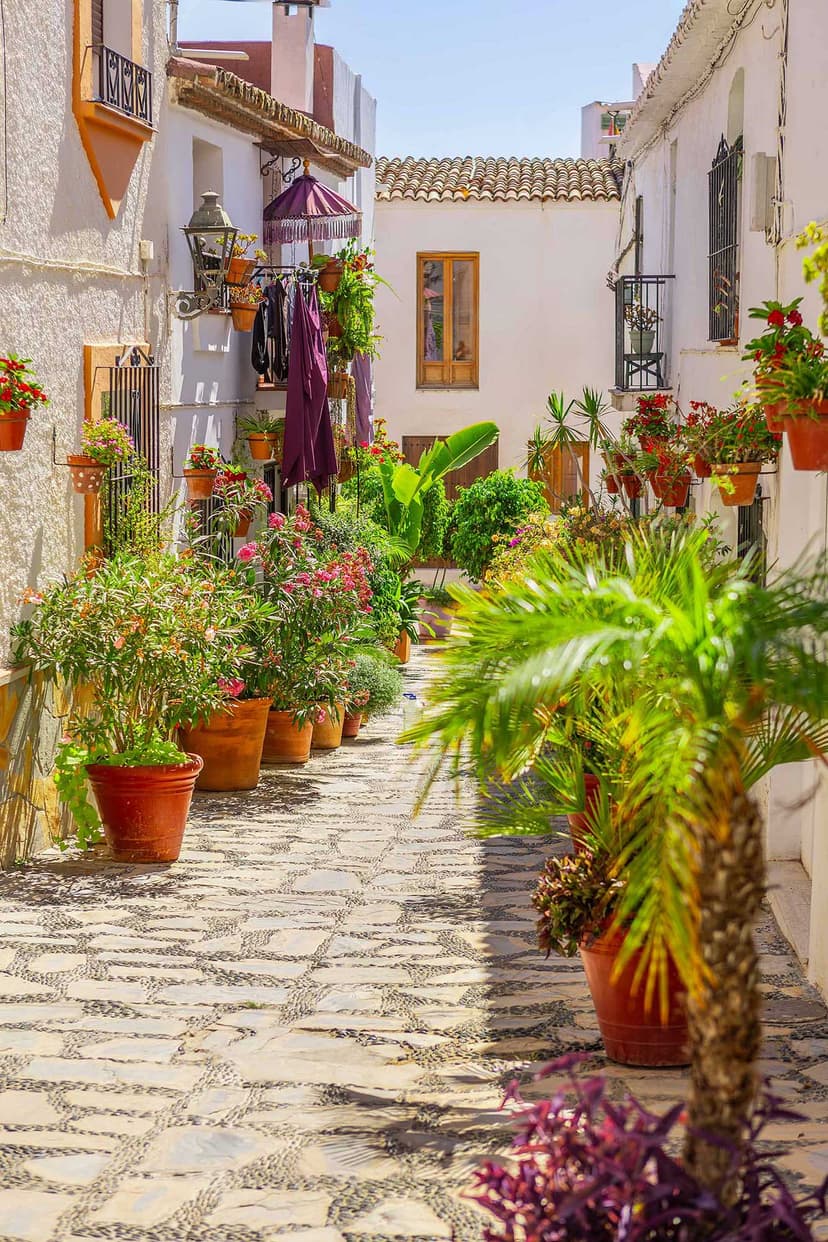
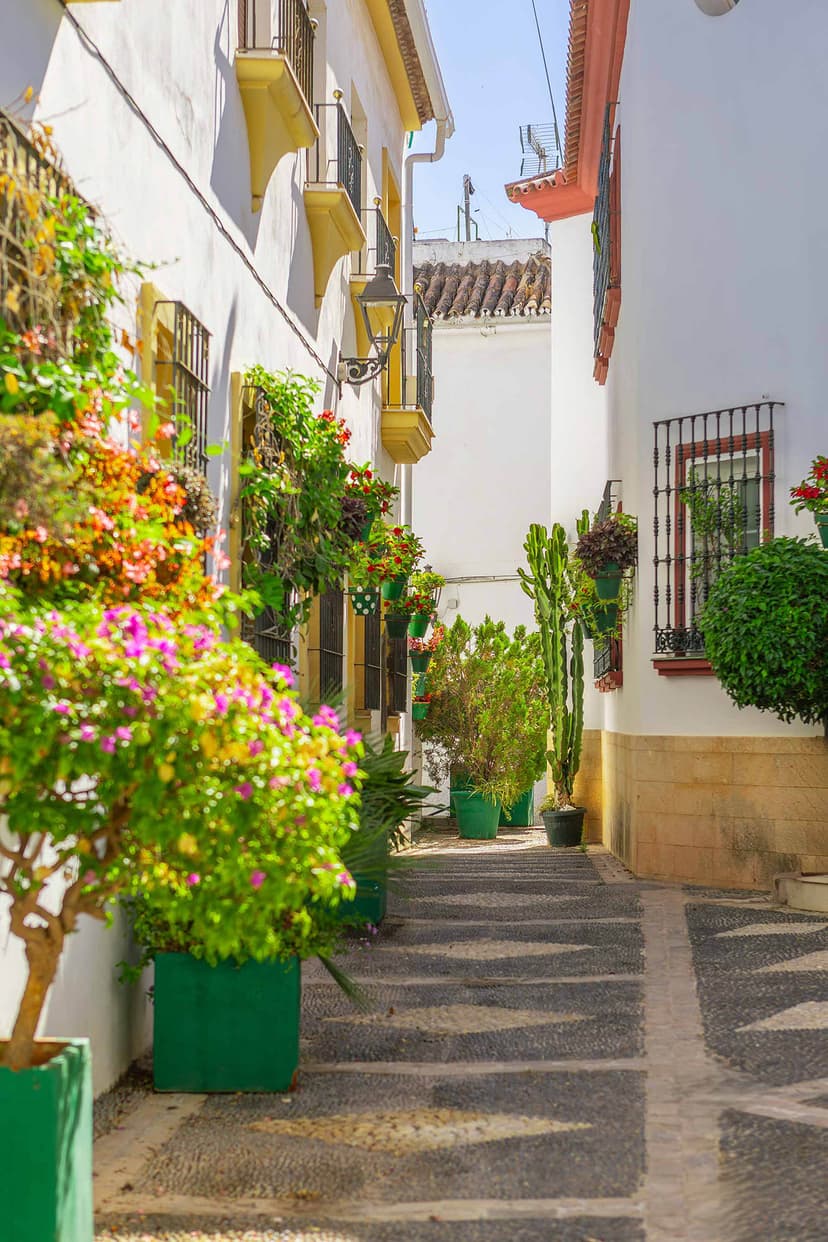
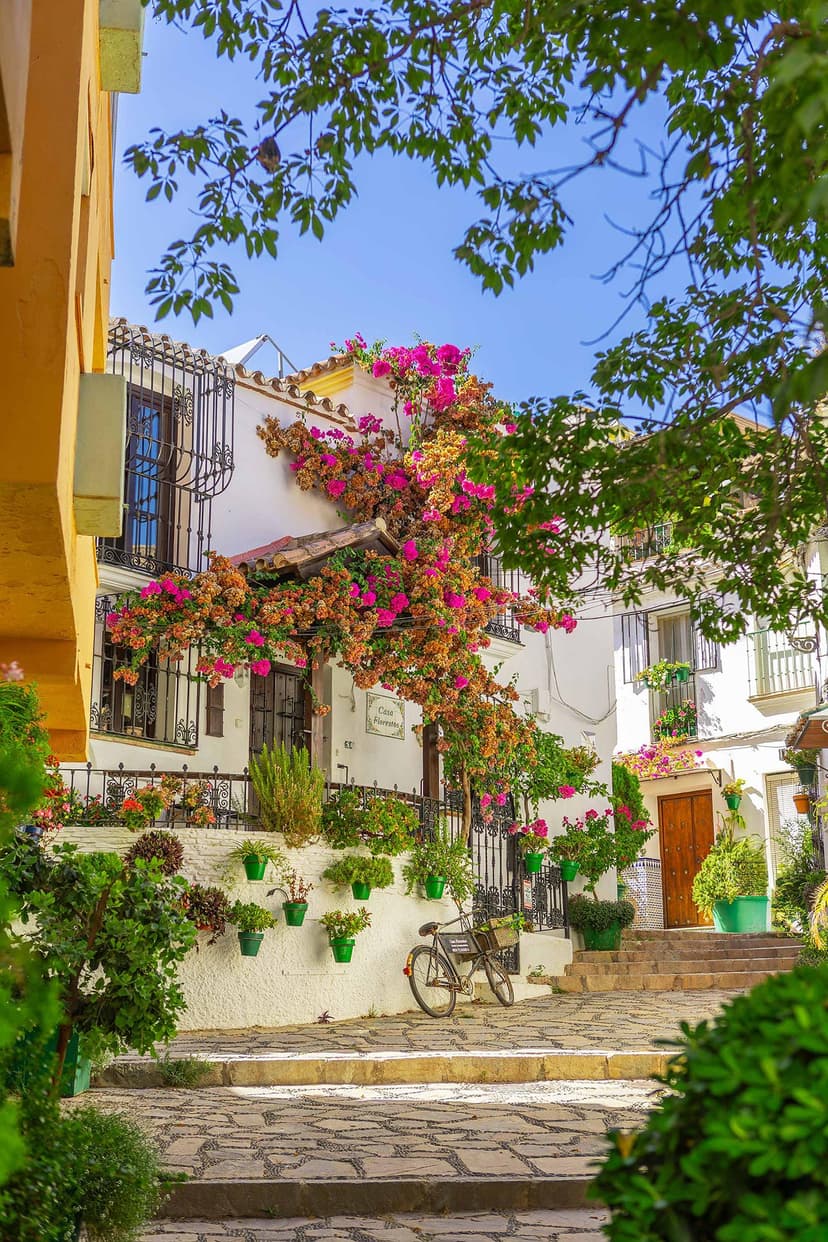
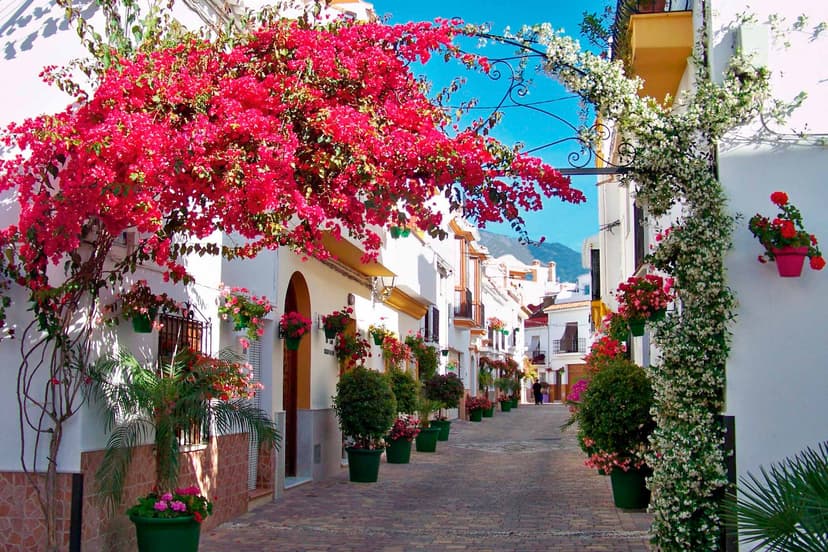
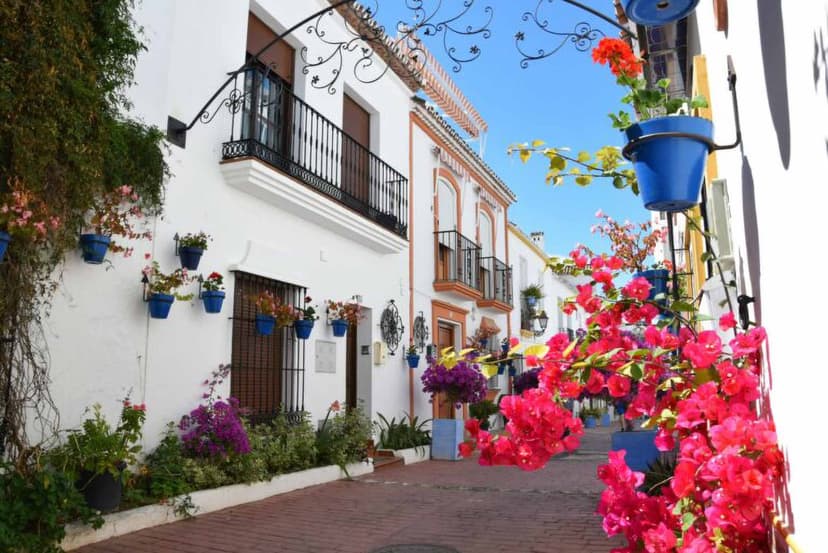
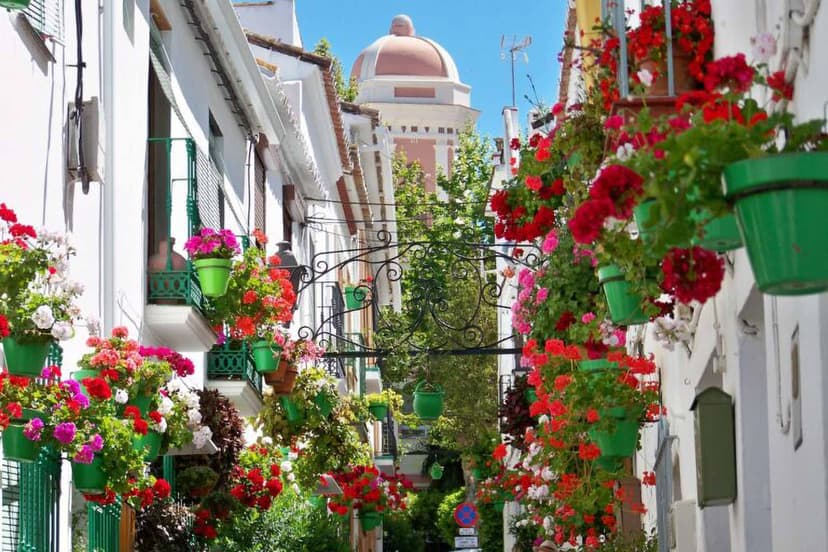
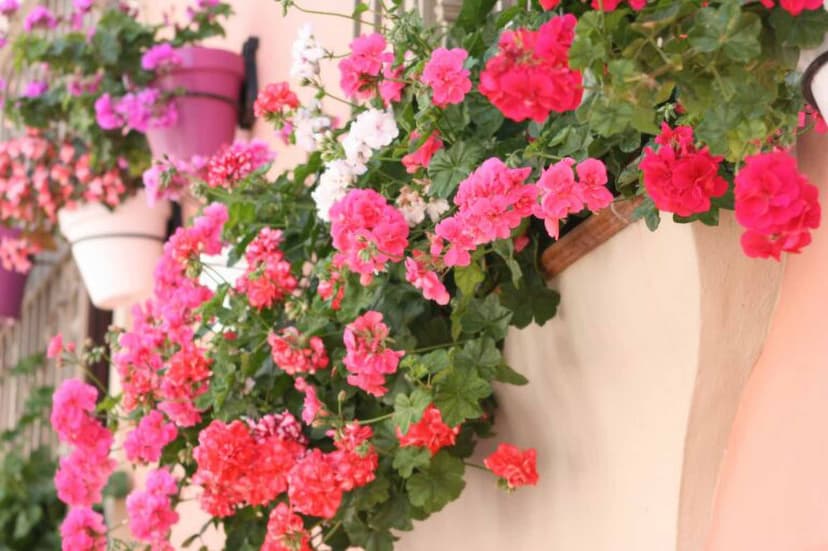
The historic quarter has a recognisable pattern: geranium pots, whitewashed façades and a human scale that invites you to get happily lost. Named Spain's most flower-filled municipality in 1967.
About this place
Estepona's historic quarter has developed, over many decades, a culture of urban beautification built around vertical gardening. Streets like Carmen, Terraza and Carrera are among the most carefully tended in the municipality, measured by the density of flower pots on façades and balconies. The practice has deep roots, but it was the award for Spain's most flower-filled municipality in 1967 that turned it into an official identity. Today the council maintains an annual prize programme encouraging residents to care for their façades. The result is a walk that changes with every season and works equally well at seven in the morning or seven in the evening.
Tags
Living history
To understand this place better.
Every corner of Estepona carries a story. These articles tell the stories behind this place.
Urban memory · Siglo XIV – XX
The streets that hold memory
The historic centre of Estepona preserves memory in its squares, streets, houses and churches. Plaza de las Flores had at least six different names depending on the political power of each era. A cistern of Muslim origin survives intact beneath Casa del Aljibe. The Church of Los Remedios stands on the site of a 1400-era forest. Calle Murillo is named after a doctor held captive in Algiers for thirteen years.
Read the articlePeople of Estepona · Siglo XVII
The doctor who healed Estepona and ended up in Algiers
Licenciado Murillo was a 17th-century physician who treated epidemics in Estepona and Marbella, was captured by Barbary pirates and spent 13 years imprisoned in Algiers, where he continued practising medicine through three epidemics. Calle Murillo in the old town bears his name.
Read the articlePortrait of a city · Siglo XVIII
Estepona's 124 fishermen
18th-century Estepona fits into a municipal census: 124 fishermen with traditional nets, vineyards, olive trees, grain and a winepress in every farmhouse. A human-scale city whose economy tourism had yet to invent.
Read the articleOld Town