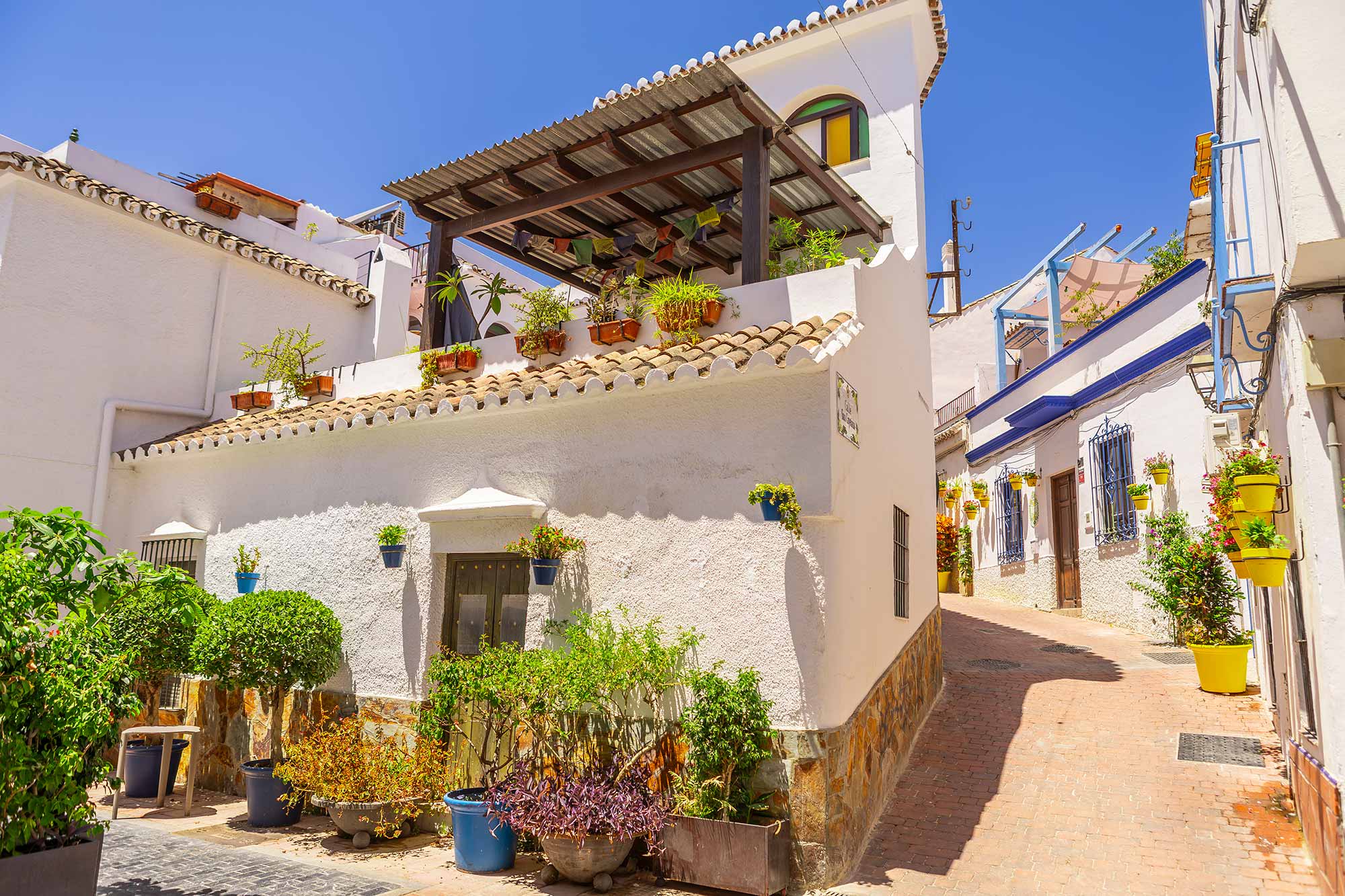
Plaza de las Flores
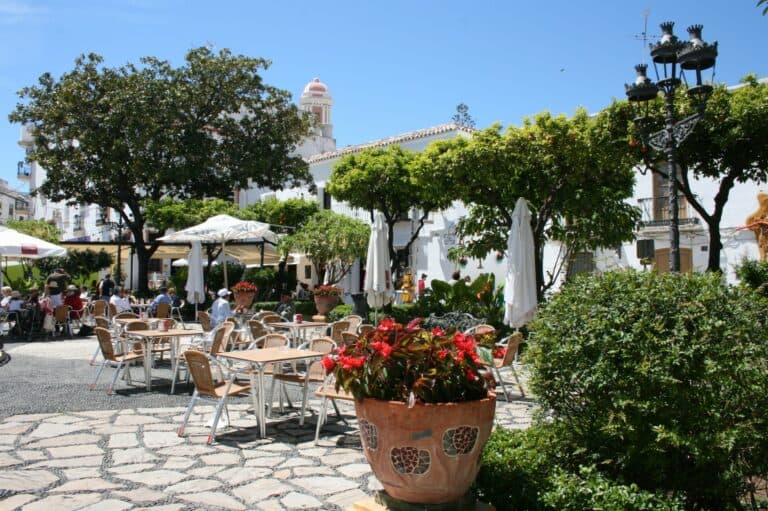
The square where the old town comes together. Hanging flower pots, café chairs spilling onto the pavement and the Casa de las Tejerinas closing the northern end. The natural starting point for any visit to the historic centre.
About this place
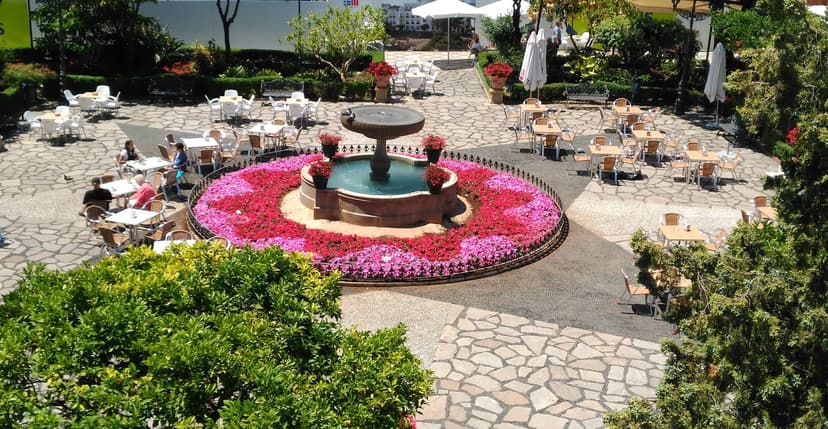
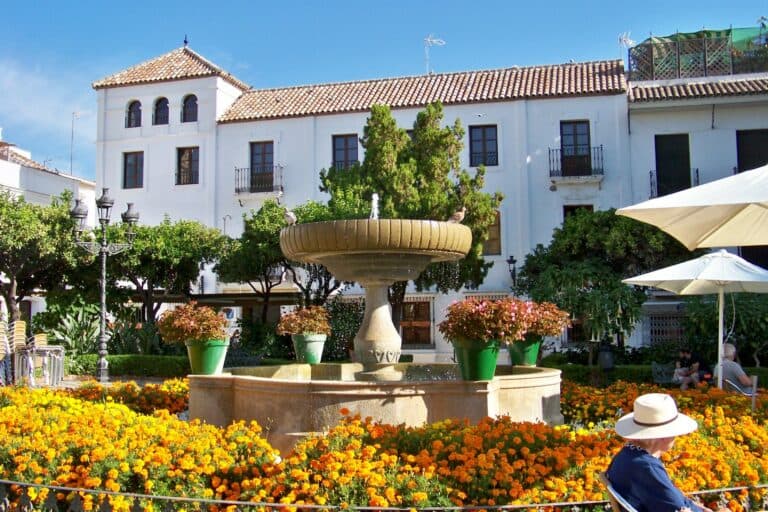
This square had at least six names before it became the Plaza de las Flores. It was born of the town's eastward expansion in the nineteenth century, and it opened as the Plaza Nueva. It was also the Plaza de la Cárcel. During the liberal periods it was the Plaza de la Constitución; under absolutism, the Plaza del Rey; during the Republic, the Plaza de la República; and under Franco, the Plaza de José Antonio. The name changed with the political wind. The square was, quite literally, the physical stage for the constitutional debates of the age. The current name — Plaza de las Flores — reflects the tradition of flower pots on balconies and façades that the local council has been rewarding with annual prizes since the 1960s. The Casa de las Tejerinas, at the northern end, closes the space with its eighteenth-century façade. It serves as a reference point: if you're in Estepona and don't know where to begin, begin here.
Tags
Living history
To understand this place better.
Every corner of Estepona carries a story. These articles tell the stories behind this place.
Urban memory · Siglo XIV – XX
The streets that hold memory
The historic centre of Estepona preserves memory in its squares, streets, houses and churches. Plaza de las Flores had at least six different names depending on the political power of each era. A cistern of Muslim origin survives intact beneath Casa del Aljibe. The Church of Los Remedios stands on the site of a 1400-era forest. Calle Murillo is named after a doctor held captive in Algiers for thirteen years.
Read the articleIdentity & independence · Siglo XVIII
The 619 residents who chose to be Estepona
In 1729, Estepona obtained the Carta de Villazgo that made it an independent municipality, separate from Marbella. The process was long and costly. In the decisive vote, 619 of 649 residents chose to continue.
Read the articlePortrait of a city · Siglo XVIII
Estepona's 124 fishermen
18th-century Estepona fits into a municipal census: 124 fishermen with traditional nets, vineyards, olive trees, grain and a winepress in every farmhouse. A human-scale city whose economy tourism had yet to invent.
Read the articleAndalusian heritage · Siglo XII – XV
The city that surfaced under Plaza de las Flores
Istibuna is the name of the Islamic medina beneath Estepona's old town; the municipal Archaeological Museum devotes its own room to it. Between 2013 and 2016, urban excavations around Plaza de las Flores uncovered a previously unknown Andalusian suburb, with houses and two craft installations: a leather tannery from the Almohad period (12th-13th centuries) and a pottery kiln from the Nasrid period (13th-15th centuries). The find was published in 2020 by a team of five archaeologists. According to the museum itself, the Andalusian city reached its greatest splendour from the 12th century onward. Andalusian rule ended in 1456, when the town passed into Castilian hands.
Read the articleOld Town