Casa de Las Tejerinas
The building that closes the Plaza de las Flores. Its date of construction is not documented: the council's heritage catalogue places it in the eighteenth century on the strength of its features alone. Architecture that doesn't need a sign to make itself noticed.
About this place
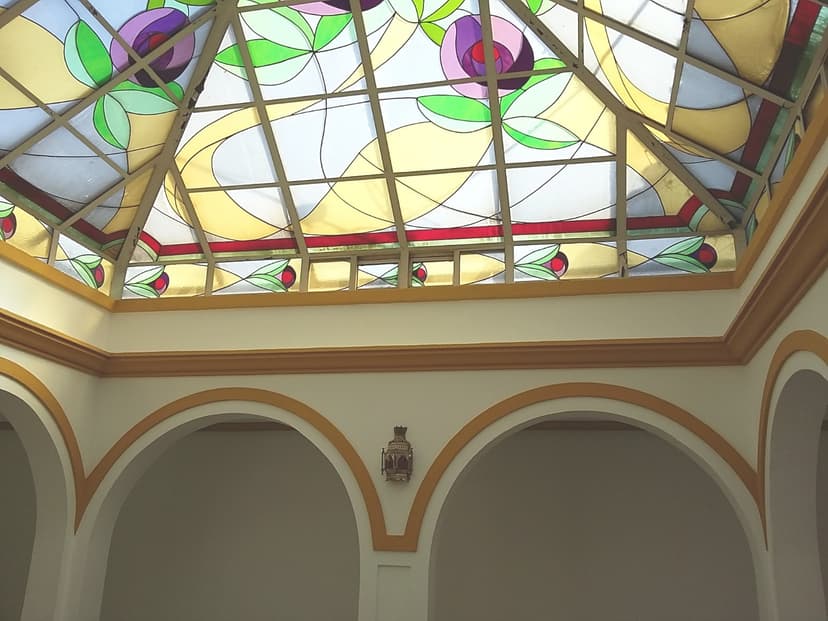
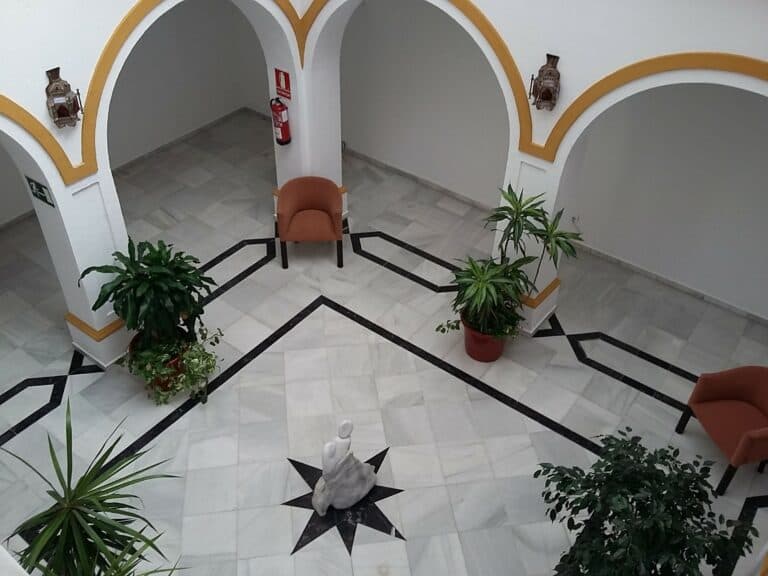
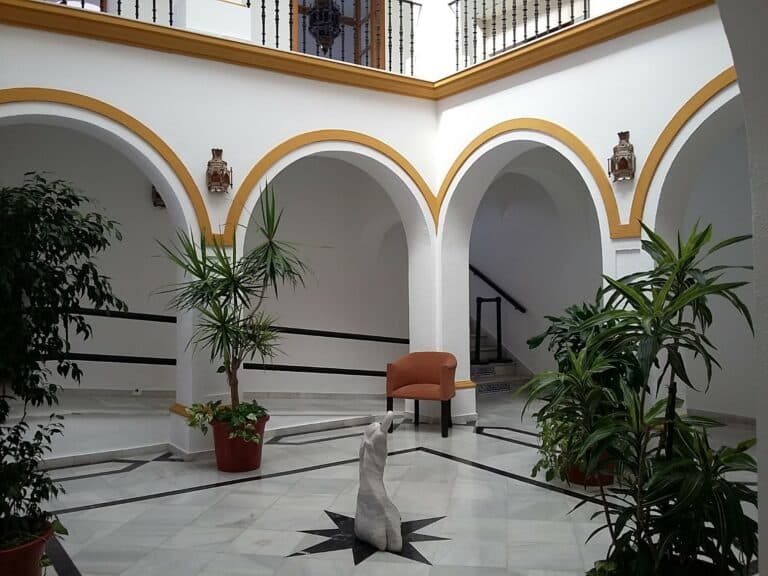
The building occupies one side of the Plaza de las Flores. Its exact date is not documented: the town's heritage inventory places it in the eighteenth century on the strength of its features alone. It is built around a central courtyard ringed by columns, with a moulded doorway and balcony and a lookout tower with arcades on the upper floor. The name comes from the sisters Carmen and Francisca Tejerina; Francisca left the house to the Hospital de la Caridad. Today it is the municipal exhibition space, free to enter — one of the few places in the old town where eighteenth-century architecture is simply still in use, with no museum interpretation of any kind.
Tags
Living history
To understand this place better.
Every corner of Estepona carries a story. These articles tell the stories behind this place.
Urban memory · Siglo XIV – XX
The streets that hold memory
The historic centre of Estepona preserves memory in its squares, streets, houses and churches. Plaza de las Flores had at least six different names depending on the political power of each era. A cistern of Muslim origin survives intact beneath Casa del Aljibe. The Church of Los Remedios stands on the site of a 1400-era forest. Calle Murillo is named after a doctor held captive in Algiers for thirteen years.
Read the articleIdentity & independence · Siglo XVIII
The 619 residents who chose to be Estepona
In 1729, Estepona obtained the Carta de Villazgo that made it an independent municipality, separate from Marbella. The process was long and costly. In the decisive vote, 619 of 649 residents chose to continue.
Read the article