

Prehistory
Research in progressThe 5-centimetre clay figure the town council declared a symbol of the city
In August 2011, a dig at a prehistoric 'pit field' site in Estepona uncovered a small clay female figure over 5,000 years old. In 2014, the town council's plenary session began the process of declaring it a symbol of the city, formally approved by the regional government (Junta de Andalucía) in 2015.
Hallazgo
Agosto de 2011, en un yacimiento de «campos de hoyos» del término municipal
Yacimiento
Loma de la Alberica, entre los valles de Arroyo Vaquero y Arroyo Enmedio
Material y tamaño
Barro cocido, unos 5 centímetros
Antigüedad
Más de 5.000 años
Hallada junto a
Vasijas cerámicas, puntas de flecha de sílex, hachas pulimentadas, cuentas de collar y otros ídolos de piedra
Símbolo oficial de la ciudad
Trámite iniciado por el Pleno el 21 de marzo de 2014; autorización definitiva de la Junta de Andalucía anunciada en febrero de 2015
Dónde se expone
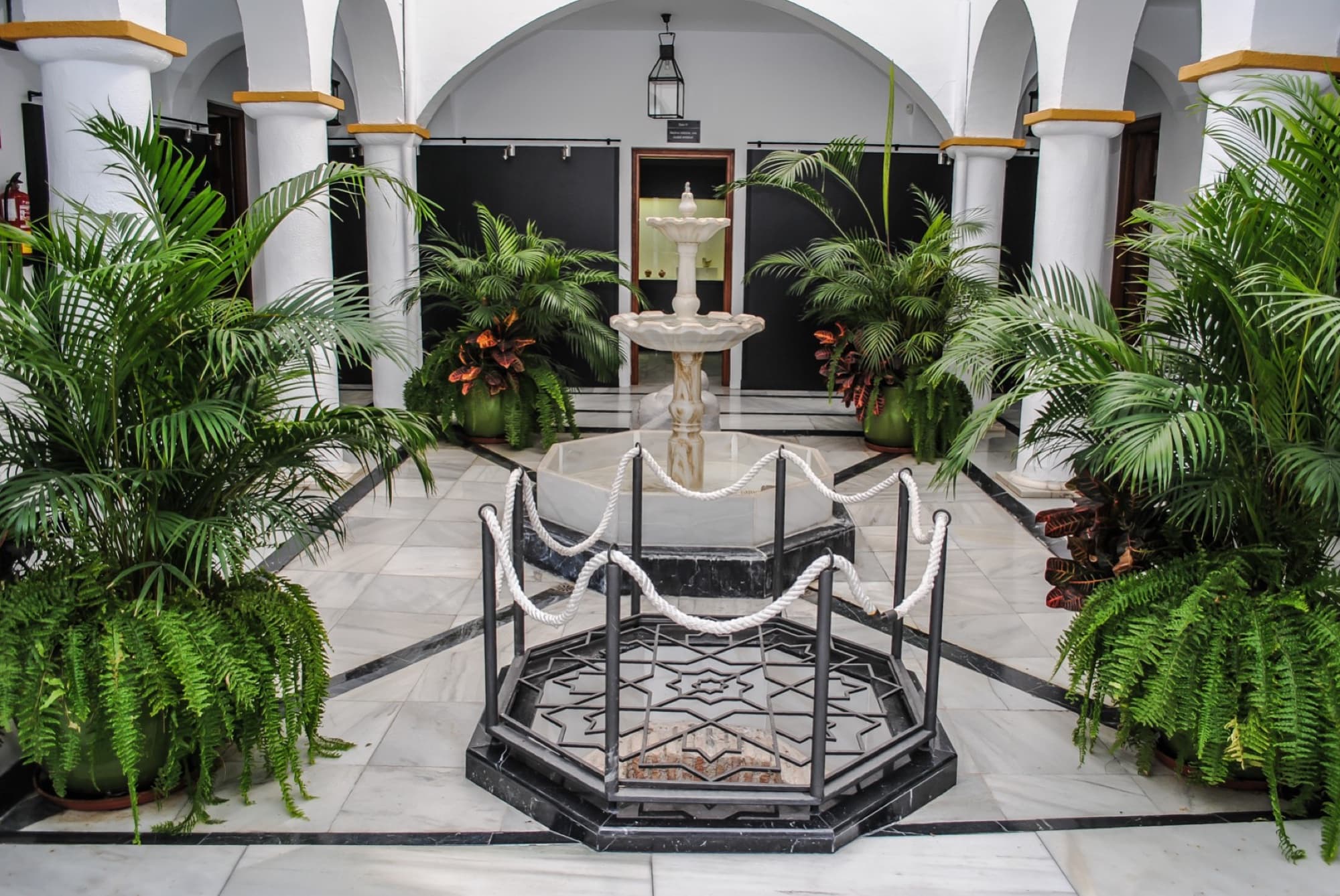
Museo Arqueológico Municipal de Estepona
The Venus de Estepona is a small fired-clay figurine about 5 centimetres tall, with a schematic female shape, found in August 2011 at a prehistoric 'pit field' site within the municipality, alongside hand-made pottery, flint arrowheads, polished stone axes, necklace beads and other stone idols. It is over 5,000 years old and, according to the town council, the only piece of its kind found in excavations in Málaga province. It is interpreted as an amulet or fertility symbol linked to the rituals of the time. It is on display at Estepona's Municipal Archaeological Museum; the town council began the process of declaring it an official symbol of the city in 2014, a process formally approved by the regional government (Junta de Andalucía) in early 2015.
Full article
The complete article with all sources and detail is available in Spanish.
Full translation into English is planned for a future phase.
Keep reading
Prehistory
The 5,000-year-old cemetery uncovered while building a motorway
Archaeological heritage
The Roman tower nobody has settled: tomb or watchtower?
Toponymy
Estepona's name is older than the Arabic it was first written in
Vida cultural