


History of Estepona
What the guides leave out.
Independence in 1729, 124 fishermen of the 18th century, the mayor who built the seafront promenade and the first tourism website for Estepona. Real stories with names, dates and sources.
Browsing by type
Collective memory
- Siglo XXEmigration & memory"The Paseo del Carmen is gone, where we walked so many rounds"The 'Canto a Estepona' by Juan Usero Fernández, written from Venezuela, is one of the most moving documents of local memory: the voice of the emigrant who remembers a town that no longer exists.
- Primera mitad del siglo XXCollective memoryThe boat that never set sailA farmers' cooperative was sabotaged on the day of its first launch. The boat's ropes were found cut. They kept trying. A story of collective resistance with an unknown ending.
- Primera mitad del siglo XXCollective memoryThe fishing guild that voted, competed and ran the cityThe Cofradía de Pescadores de Estepona, Estepona's fishing guild, was for decades far more than a trade union: it took part in council debates, organised sporting tournaments and was one of the most active civic actors in the city until tourism changed the local economic structure.
- 1973–1976Collective memoryThe wall the residents tore downIn 1973, the council swapped a public plot at the end of Calle Caridad for private land. The result was a wall that blocked a passage. Residents called it 'the wall of shame'. The council itself voted that the deal had been harmful. The wall fell in January 1976, to the neighbourhood's delight.
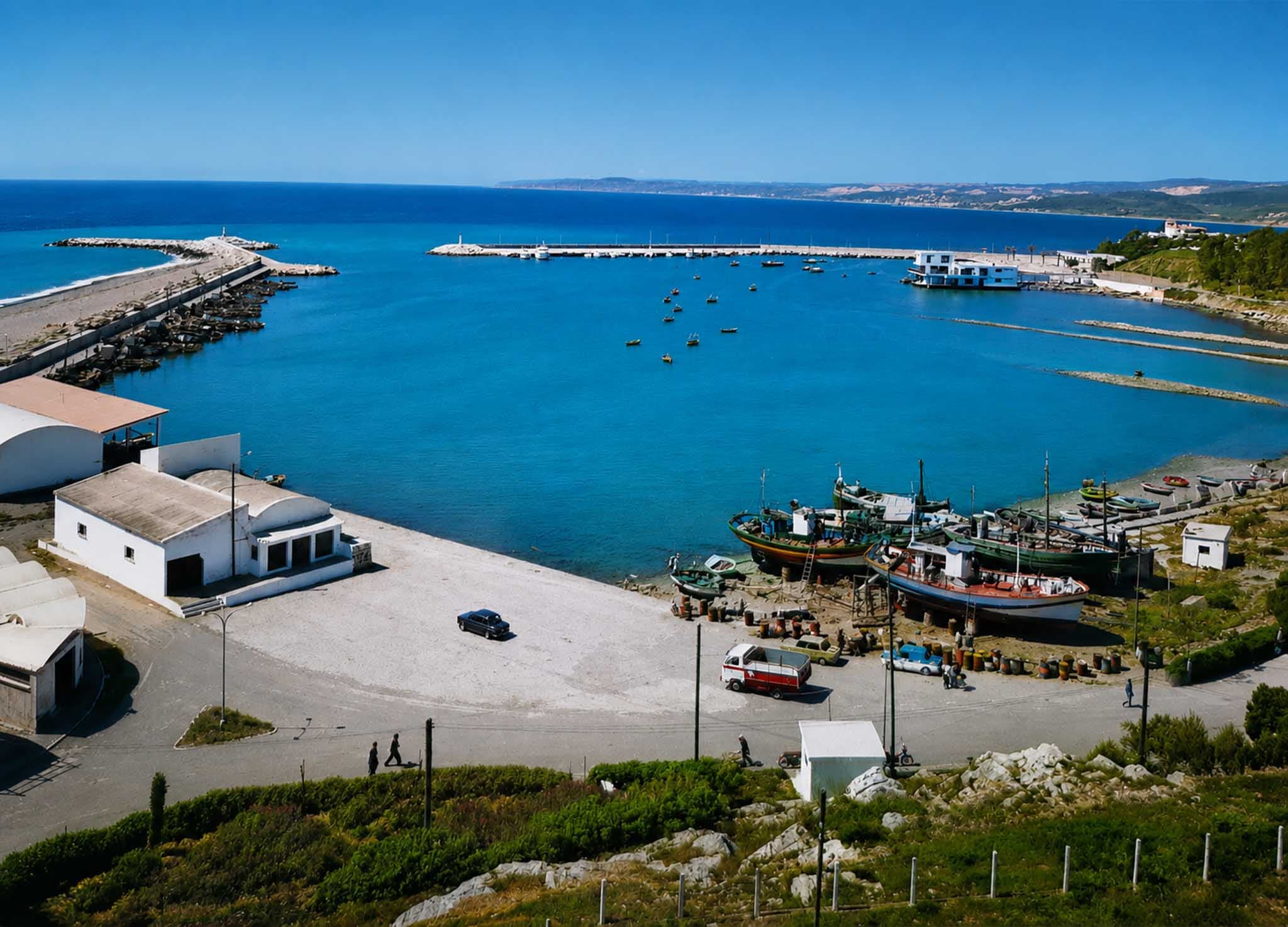
- Siglo XVIII – XXCoastal memoryWhen Estepona faced the seaBefore tourism, Estepona lived by the sea. In 1752 there were 124 fishermen. The Cofradía de Pescadores, Estepona's fishing guild, was one of the two pillars sustaining the local economy. In 1957 the Nautical Club arrived; in 1979, the marina with 613 vessels. The Paseo del Carmen was demolished to build the seafront promenade.
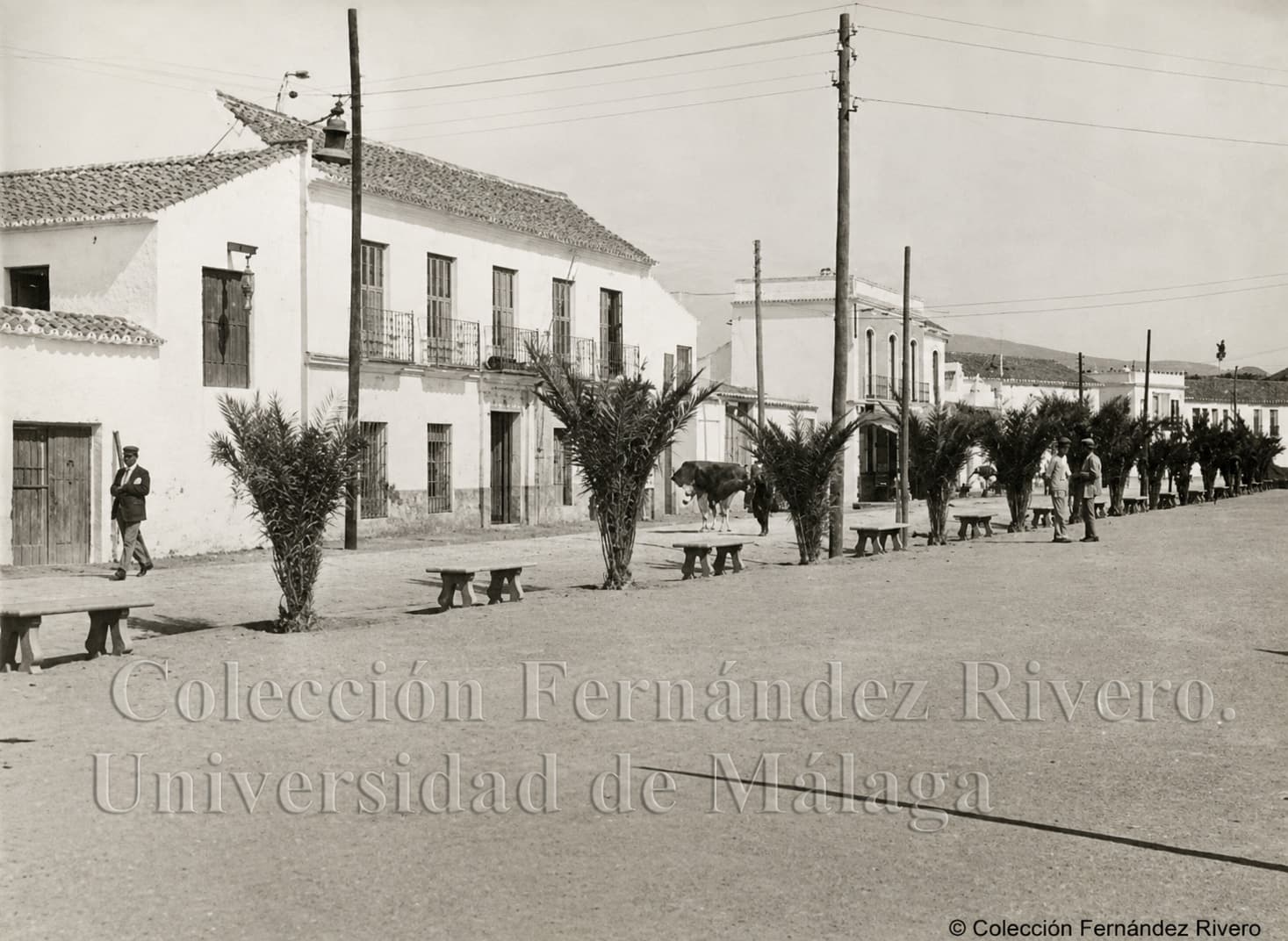
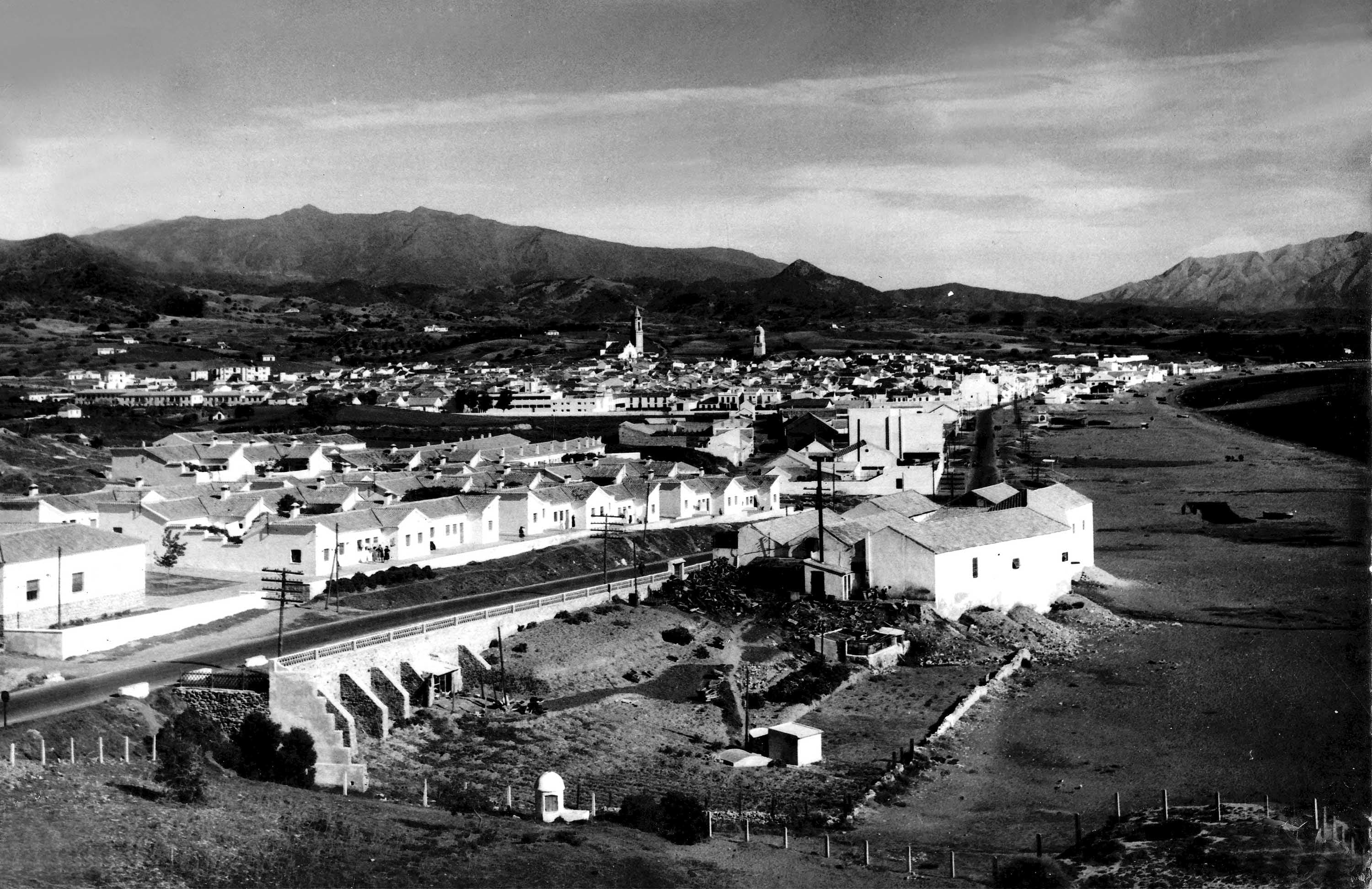
- Siglo XIV – XXUrban memoryThe streets that hold memoryThe historic centre of Estepona preserves memory in its squares, streets, houses and churches. Plaza de las Flores had at least six different names depending on the political power of each era. A cistern of Muslim origin survives intact beneath Casa del Aljibe. The Church of Los Remedios stands on the site of a 1400-era forest. Calle Murillo is named after a doctor held captive in Algiers for thirteen years.
- 1937Spanish Civil WarEstepona, 14 January 1937: a town occupied without resistanceOn 14 January 1937, as part of the Francoist offensive on Málaga, Nationalist troops entered Estepona without meeting armed resistance. Months later, a series of courts-martial ended in dozens of executions at the town cemetery.

Shared memory
Do you have a memory of Estepona worth telling?
Many stories from this town only live on in family memory. If you have a photo, a document or a real story with a name and a date, write to us.